
2026 Top Heavy Duty Slurry Pump Guide for Optimal Performance?

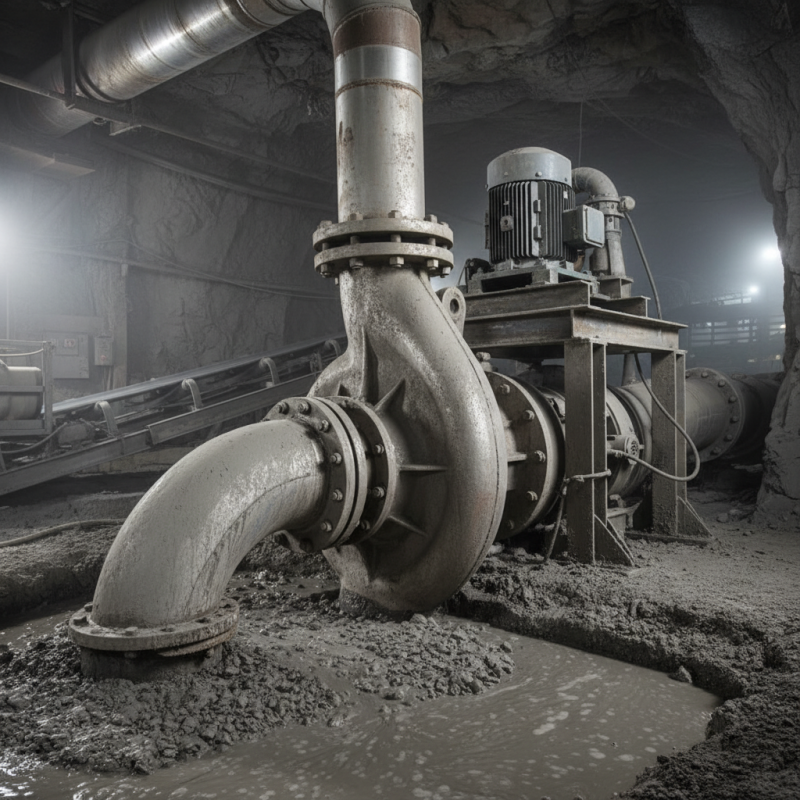
The heavy duty slurry pump is essential in various industries, including mining and construction. It transports thick mixtures of liquids and solids efficiently. A report by Grand View Research states that the global slurry pump market will reach $4.32 billion by 2025. This growth highlights the increasing demand for durable and efficient pumping solutions.

Selecting the right heavy duty slurry pump can significantly impact operational efficiency. Various factors influence this choice, such as pump materials and design. Pumps must withstand abrasive slurries under high pressure. Data indicates that improper pump selection can lead to increased wear and unexpected downtimes.

Adopting optimal pump configurations can enhance performance. However, companies often overlook maintenance and monitoring, leading to decreased efficiency. Regular assessments of pump performance are critical. This guides improvements and ensures longevity. A strategic approach to heavy duty slurry pump use fosters better results. Ultimately, understanding complexities and committing to best practices is vital for success.
2026 Top Heavy Duty Slurry Pump Guide for Optimal Performance?

Overview of Heavy Duty Slurry Pumps and Their Applications

Heavy-duty slurry pumps play a crucial role in industries such as mining, construction, and wastewater management. These pumps handle abrasive and viscous materials, making them essential for transporting slurry mixtures efficiently. According to industry reports, the global heavy-duty slurry pump market is projected to grow by 6.5% annually, driven by increased demand in mineral processing and wastewater treatment.

These pumps can manage high solid concentrations. In mining, for example, they transport ores mixed with water. Their efficiency directly impacts operational costs. A well-maintained slurry pump can save energy and reduce downtime. Many facilities overlook routine checks. This can lead to unexpected failures and costly repairs.

**Tips:** Always monitor pump performance metrics. Consider regular maintenance schedules to avoid long-term issues. Understanding the specific needs of your operation is vital.

Applications extend beyond mining. Construction sites often use heavy-duty slurry pumps for dewatering processes. They must withstand harsh environments and varying material types. The wrong pump selection can lead to inefficiencies. Reflections on experiences show that user feedback is crucial for improvement. Gathering data on performance helps in refining pump choices. The right pump maximizes productivity while minimizing expenses.

Key Features and Specifications to Consider for Optimal Performance

When selecting a heavy-duty slurry pump, several key features must be considered. The pump's material is crucial. High-quality materials reduce wear and extend the pump's lifespan. Common choices include chrome alloys and rubber linings. These materials endure harsh conditions and abrasive slurries.

Another important specification is the pump's flow rate. A higher flow rate means greater efficiency in transferring materials. However, it's essential to balance flow rate with the pump's power requirements. Energy consumption can quickly add to operational costs. Therefore, understanding your specific needs is vital.

Impeller design also plays a significant role in performance. Open impellers can handle larger solids but may sacrifice efficiency. Closed impellers offer better efficiency but might clog. The right choice depends on the characteristics of the material being pumped. These considerations are not always straightforward. Testing different configurations in actual conditions may be necessary.

Maintenance Practices for Ensuring Long Lifespan of Slurry Pumps

When it comes to slurry pumps, maintenance plays a crucial role in extending their lifespan. According to recent industry reports, regular maintenance can reduce operational failures by up to 30%. This can save significant costs for operators who rely on heavy-duty slurry pumps.

One essential tip is to inspect seals and bearings frequently. These components are crucial for preventing leaks and maintaining pump efficiency. A simple visual inspection can reveal wear and tear before serious issues arise. Changing lubricants regularly also ensures smoother operation.

Another practice is to monitor temperature and vibration levels. Deviations in these parameters can indicate potential problems. Operators should use gauges to keep track. Addressing any anomaly quickly prevents further damage and downtime. Remember, small issues can escalate if overlooked. Regular maintenance leads to optimal performance and longevity in slurry pumps.

2026 Top Heavy Duty Slurry Pump Guide for Optimal Performance - Maintenance Practices for Ensuring Long Lifespan of Slurry Pumps

Maintenance Practice Frequency Expected Benefits Recommended Tools
Routine Inspection Weekly Early detection of wear Visual inspection tools
Lubrication Monthly Reduced friction and wear Lubrication system
Seal Replacement Annually Prevent leaks Seal kits
Impeller Inspection Every 500 operating hours Maintains pumping efficiency Caliper, inspection mirrors
Cleaning Quarterly Prevents clogging Cleaning agents, brushes
Vibration Analysis Semi-Annually Identifies mechanical issues Vibration analyzer

Troubleshooting Common Issues in Heavy Duty Slurry Pump Operations

Heavy duty slurry pumps often face common issues during operations. Identifying these problems quickly is crucial for maintaining performance. Blockages can occur frequently. Clogging may result from debris in the slurry. Regular monitoring of the pump ensures smooth operation.

Tip: Inspect and clean the pump regularly. A simple visual check can help identify potential blockages before they become serious.

Another common issue is seal failure. This can lead to leaks, resulting in downtime. Different materials provide varying levels of protection. Choosing the right seal material is essential for specific environments. Ensure seals are in good condition.

Tip: Conduct routine maintenance on seals. Replace them at the first signs of wear to prevent larger problems.

Vibration problems can indicate misalignment or wear. Too much vibration can cause extensive damage over time. It’s important to evaluate the pump’s mounting and connections. Proper alignment is key to efficient operation.

Tip: Use vibration analysis tools for monitoring. This helps in understanding the pump’s health and addressing issues proactively.

Future Trends in Heavy Duty Slurry Pump Technology and Design

In recent years, the heavy-duty slurry pump industry has seen significant advancements. Future trends in technology promise to enhance performance and efficiency. One area of focus is material innovation. New alloys and composites can improve pump lifespan and resistance to wear. Additionally, enhancing impeller designs is crucial for better flow rates and reduced energy consumption.

Tips: Consider the environment where your pump will operate. Harsh conditions require specialized designs. Understand the specific requirements of your materials. This will help in selecting the right pump.

Automation is another trend on the rise. Smart pumps equipped with IoT technology can help monitor performance in real-time. This data-driven approach leads to proactive maintenance schedules. Yet, not all companies harness these technologies effectively. A lack of training can leave staff unaware of how to utilize these advancements.

Tips: Invest in training programs. Ensure your team understands new technologies. This can prevent operational risks. Regular research and development are also vital. Stay updated on emerging trends and technologies to maintain a competitive edge.

2026 Top Heavy Duty Slurry Pump Performance Metrics