2026 Top Lathe Machine Buyers Guide and Key Features?

When considering the purchase of a lathe machine, it's essential to understand both the features and the market landscape. Industry expert John Carter, a veteran in machining technology, once said, "The right lathe machine can transform productivity." His insights highlight the importance of selecting the best equipment for your needs.

Lathe machines come in various types and specifications, influencing their performance in different applications. Whether you are a hobbyist or a professional, understanding these differences is crucial. Certain features, like spindle speed, bed length, and control systems, can significantly impact your workflow.

In this guide, we will delve into the critical attributes of lathe machines that influence purchasing decisions. Reflecting on user experiences can also reveal common pitfalls. Many buyers overlook power requirements or precision metrics, leading to operational challenges. By examining these aspects, you can make an informed choice and enhance your machining capabilities.
2026 Top Lathe Machine Buyers Guide and Key Features?

Understanding Lathe Machines: Types and Applications

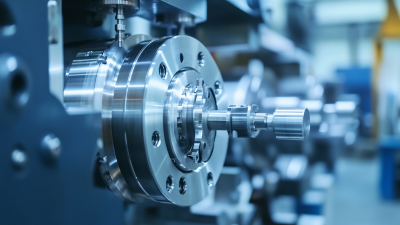
Lathe machines play a crucial role in manufacturing. They are versatile tools used for shaping materials like wood and metal. Understanding the different types of lathes is vital for any buyer. Common types include engine lathes, turret lathes, and CNC lathes. Each serves unique purposes. Engine lathes are great for precision work, while turret lathes enhance productivity. CNC lathes offer automation, perfect for large-scale production.

When choosing a lathe, consider its applications. It is essential to match the machine's features to your requirements. Some lathes excel in light-duty tasks, while others are robust enough for heavy-duty applications. Pay attention to spindle speed, weight capacity, and tooling options. Each feature impacts the final output.

A few helpful considerations: assess your workspace. Space limitations can dictate the size of the lathe. Regular maintenance is vital for longevity, as it can prevent costly breakdowns. Also, think about safety features. A machine without proper safeguards may lead to accidents. Reflect on these details to improve your buying decision. Choose wisely; it can greatly affect your production efficiency and safety.

Key Features to Look for in a Lathe Machine

When selecting a lathe machine, certain key features are essential for both beginners and seasoned professionals. The spindle speed is crucial; it determines the quality of cuts. A machine with variable speed settings offers flexibility for different materials. This adaptability can significantly enhance the finishing process, but setting it correctly requires practice.

Another important aspect is the bed length and width. A longer bed allows for larger workpieces, providing greater versatility. However, this can sometimes complicate handling. Users may find a bed that is too heavy to move or position easily, which affects efficiency.

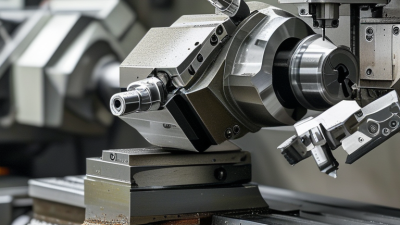
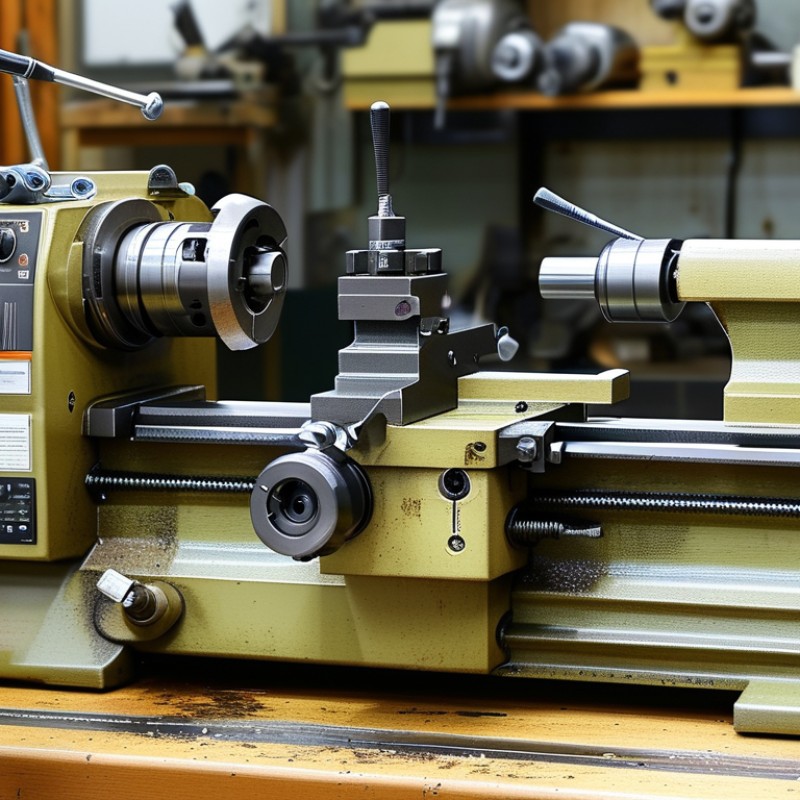
Additionally, consider the tool post design. A quick-change tool post saves valuable time during setups. If it jams or is cumbersome, it can lead to frustration. Pay attention to the overall durability of the machine, too. An over-engineered model can cost more, yet it might not necessarily yield better results. Balancing cost and efficiency often calls for careful thought.

Factors Influencing Lathe Machine Buying Decisions

When considering a lathe machine, several factors come into play. The material being machined is crucial. Hard metals and composites require different spindle speeds and torque. According to industry reports, about 25% of buyers prioritize the machine's adaptability for various materials. Flexibility can significantly enhance productivity and reduce operational costs.

Another critical element is the machine's precision and accuracy. In manufacturing, even a minor error can lead to significant losses. Many high-precision lathe machines offer tolerances of ±0.001 inches. Reports indicate that a machine capable of maintaining tight tolerances can positively impact production quality and customer satisfaction.

Buyers should also evaluate the technological features available. Automation compatibility is becoming increasingly important. Recent surveys show that over 40% of manufacturers are investing in smart technology. Advanced features like CNC controls and IoT capabilities can streamline operations and offer real-time data.

Purchasing a lathe machine is not just about initial costs. Long-term operational costs often shape buying decisions. It’s essential to reflect on the total cost of ownership rather than just the purchase price. The right approach ensures that buyers make informed choices that benefit their operations over time.

Top Brands and Models of Lathe Machines in 2026

In 2026, the lathe machine market is experiencing significant growth. According to industry reports, the global lathe machine market is expected to reach USD 2.5 billion by 2025, with North America contributing to a substantial share. Buyers are now leaning towards machines that offer precision, durability, and advanced technology.

Among the top brands dominating this landscape are those investing heavily in automation and artificial intelligence. New models are equipped with features such as real-time monitoring systems and CNC technology. These enhancements allow for higher productivity and reduced error rates. However, with so many options, buyers often face challenges in selecting the right model that fits their specific needs.

One area that frequently raises concerns is the maintenance of these machines. Regular upkeep is crucial to avoid costly downtime. Many businesses underestimate the long-term costs associated with poor maintenance practices. Additionally, the industry sees a rising trend toward sustainable manufacturing, compelling brands to create eco-friendly machines. While innovation is critical, balancing performance with environmental considerations remains a complex issue that suppliers must address.

2026 Top Lathe Machine Buyers Guide and Key Features

Model Max Speed (RPM) Swing Over Bed (inches) Length of Bed (inches) Weight (lbs) Price Range ($)
Model A 3000 12 36 1200 5000 - 7000
Model B 2500 14 40 1800 6000 - 8000
Model C 3500 10 30 1000 4500 - 6500
Model D 2000 16 50 2200 5500 - 7500
Model E 4000 18 60 2500 7000 - 9000

Maintenance Tips for Longevity of Lathe Machines

Proper maintenance of lathe machines is essential for their longevity and optimal performance. Regularly lubricating the moving parts can prevent rust and reduce friction. Keeping the machine clean from debris and dust is also critical. A build-up can impact performance and accuracy. Inspecting belts and gears periodically ensures they are in good condition. Don’t overlook small leaks; they can lead to bigger issues later.

Calibrating your lathe every few months can improve precision. Calibration might seem tedious, but it saves time and material. Mind the tool wear as well. Dull tools might damage your workpiece and shorten machine life. If anything feels off, trust your instincts. Addressing minor issues promptly can prevent extensive repairs. Ignoring these signs often leads to the need for costly replacements.

In addition, always use the machine according to guidelines. Misuse can lead to various complications. Setting a regular maintenance schedule can streamline the process. It's easy to overlook details, but they matter. Create reminders or use checklists to stay organized. Reflecting on past maintenance can guide future actions. Embrace the learning curve; it leads to better practices and longer-lasting machinery.

Lathe Machine Features and Maintenance Tips

This chart represents the importance rating of various features of lathe machines based on user preferences. A higher score indicates greater importance, with precision being the most critical feature, followed by durability and ease of use.