Top 10 Benefits of a Liquefaction Plant for Industries?
In today's industrial landscape, the significance of a Liquefaction Plant cannot be overstated. These facilities transform natural gas into liquid form, optimizing space and improving transport efficiency. According to the International Gas Union, liquefied natural gas (LNG) demand is projected to grow by 50% by 2030, highlighting the critical role of liquefaction technology.
Dr. Emily Thompson, a leading expert in the field, emphasizes, "The advancements in liquefaction technology are game changers for energy markets." This statement underscores both the promise and challenges faced by industries adopting this technology. While the benefits are plentiful, such as enhanced energy security, sustainability, and reduced emissions, the complexity of implementation and operation can lead to logistical hurdles.
Additionally, businesses must navigate fluctuating market demands and regulatory landscapes. Investing in a Liquefaction Plant may yield considerable rewards, but the potential drawbacks warrant careful consideration and strategic planning. As industries move toward cleaner energy solutions, the efficacy of liquefaction technology remains a pivotal discussion point.
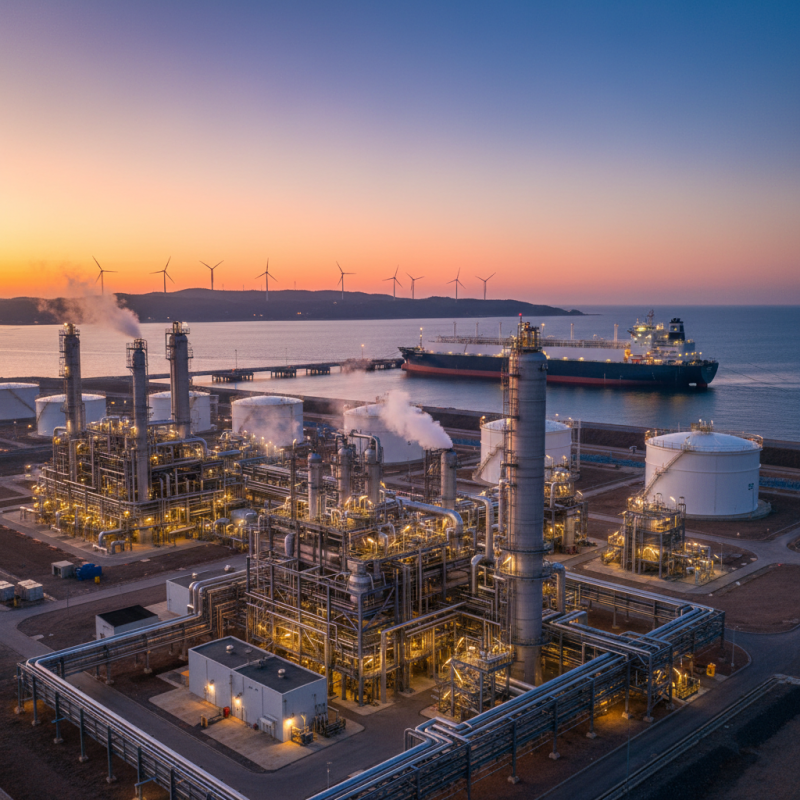
Benefits of Enhanced Energy Efficiency in Liquefaction Plants
Enhanced energy efficiency in liquefaction plants brings significant advantages to various industries. These facilities convert natural resources into liquefied forms, making them easier to manage and transport. Improved energy use means lower operational costs. With careful optimization, plants can achieve greater throughput without excessive energy consumption. This is crucial for industries relying on tight margins.
Moreover, enhanced energy efficiency leads to reduced carbon emissions. Fewer emissions mean a smaller environmental footprint. In many areas, regulatory pressures encourage industries to adopt greener technologies. Companies can showcase their commitment to sustainability. However, achieving energy efficiency requires continuous assessment and improvement. Some plants may struggle with outdated equipment or processes.
Flexibility is another key benefit. Efficient liquefaction plants can adjust operations based on demand and energy input. This adaptability can minimize waste, but it also adds complexity. Operators must remain vigilant to maintain efficiency. Intricate systems may require specialized skills to manage. Embracing technology can enhance efficiency but may pose challenges in training and implementation.
Role of Liquefaction Plants in Reducing Carbon Footprint
Liquefaction plants play a pivotal role in reducing carbon footprints for various industries. These facilities convert natural gas into liquid form, allowing for easier transport and storage. According to a report from the International Gas Union, liquefaction can reduce carbon emissions associated with transportation by up to 30%. This significant reduction highlights the potential of liquefaction in promoting cleaner energy solutions.
However, the process isn’t without challenges. The energy required for liquefaction contributes to greenhouse gas emissions during operation. For instance, a study by the Global Energy Monitor revealed that liquefaction plants can emit around 0.8 to 1.2 tons of CO2 per ton of LNG produced. It’s crucial for industries to innovate and find ways to minimize these emissions.
Investing in advanced technologies can enhance the efficiency of liquefaction plants. Improved heat exchange systems and carbon capture methods may significantly lower emissions. Some companies are even exploring renewable energy sources for plant operations. This evolution could transform how industries approach energy processes while addressing climate challenges. The path to sustainability is complex, but liquefaction plants are part of the solution.
Cost-Effectiveness: Economic Advantages of Liquefaction Technology
Liquefaction technology has revolutionized various industries by providing cost-effective solutions. This process converts gases into liquid forms, which allows for easier transportation and storage. Industries can save significantly on logistics, as transporting liquids is typically cheaper than gases. Moreover, liquefaction minimizes space requirements. Storing liquids requires less volume than gas storage, leading to reduced infrastructure costs.
Here are some tips for businesses considering liquefaction technology:
- Evaluate your current storage capacity.
- Determine if your infrastructure can handle the conversion efficiently.
- Analyze potential long-term savings, as initial investments may seem high.
- Focus on operational efficiency. A well-optimized plant can lead to reduced energy consumption.
Adopting liquefaction technology does come with challenges. Industries must consider maintenance costs and potential downtime. Not all facilities are designed to handle liquefied materials effectively. Therefore, taking time for thorough analysis is essential before committing. Investing in skilled personnel can further enhance the potential benefits of this technology.
Impact on Resource Management and Sustainability Practices
Liquefaction plants play a crucial role in resource management and sustainability across industries. By transforming resources into a liquefied state, these plants enhance the efficiency of energy use. According to a report by the International Energy Agency, liquefaction can reduce emissions by up to 25% compared to traditional methods. This shift not only conserves energy but also minimizes carbon footprints.
Resource recovery is another significant advantage. The biochemical processes involved allow for the recycling of materials that would otherwise be waste. Studies indicate that industries can reclaim up to 60% of their materials through effective liquefaction. However, challenges exist in achieving the desired purity levels for reuse. Not all recovered resources meet industry standards, necessitating further processing.
Additionally, the impact on water usage is notable. Liquefaction plants can consume less water than standard production methods. A report from the World Resources Institute states that up to 30% water savings can be realized. Despite these benefits, it raises questions about long-term sustainability. Industries need to navigate the balance between resource extraction and ecological preservation carefully.
The pursuit of better technology and practices remains an ongoing journey.
Technological Advancements Driving Liquefaction Plant Innovation
Technological advancements are transforming liquefaction plants in significant ways. Enhanced energy efficiency is one of the most notable improvements. According to industry reports, modern liquefaction technologies can increase energy efficiency by as much as 30%. This reduction in energy use leads to lower operational costs and less environmental impact.
The use of automation and artificial intelligence in liquefaction plants is on the rise. These technologies help optimize processes and predict maintenance needs. Data from recent studies indicates that predictive maintenance can reduce unplanned downtime by about 25%. This means plants operate more smoothly, increasing overall productivity.
**Tip:** Regularly review equipment and technology choices. They should align with your goals for efficiency and sustainability.
Moreover, the integration of renewable energy sources is becoming more prevalent. Some plants are starting to utilize solar or wind energy to power operations. However, adapting these sources poses challenges. Not all locations have consistent renewable resources.
**Tip:** Consider location constraints before investing in renewable technologies. They should fit your operational landscape.
In conclusion, the evolution of liquefaction plants driven by modernization and technological integration offers numerous advantages. However, careful planning and reflective strategies are essential in capitalizing on these innovations.
Top 10 Benefits of a Liquefaction Plant for Industries
| Benefit | Description | Impact on Industry |
|---|---|---|
| Increased Efficiency | Liquefaction plants optimize the process of converting raw materials into usable forms. | Higher productivity and reduced operational costs. |
| Environmental Sustainability | Liquefaction processes can minimize waste and emissions. | Improved compliance with environmental regulations. |
| Enhanced Safety | Advanced technologies reduce the risk of accidents and hazards. | Safer working environments lead to fewer insurance claims. |
| Cost Reduction | Lower energy and material costs through optimized processes. | Increased profit margins for companies. |
| Improved Product Quality | Technological advancements lead to higher purity and performance of products. | Higher customer satisfaction and retention. |
| Scalability | Liquefaction plants can be designed to scale operations. | Flexibility to meet changing market demands. |
| Technology Integration | The ability to incorporate the latest technologies for process improvement. | Stay competitive in an evolving market. |
| Research and Development | Liquefaction plants facilitate R&D to innovate new products. | Development of cutting-edge solutions. |
| Energy Recovery | Utilization of by-products for energy generation. | Reduces overall energy consumption and costs. |
| Global Competitiveness | Advanced liquefaction technologies can help industries stay globally competitive. | Expanded market reach and opportunities. |