Top 5 Benefits of Using Polyurethane Sheets for Your Projects?

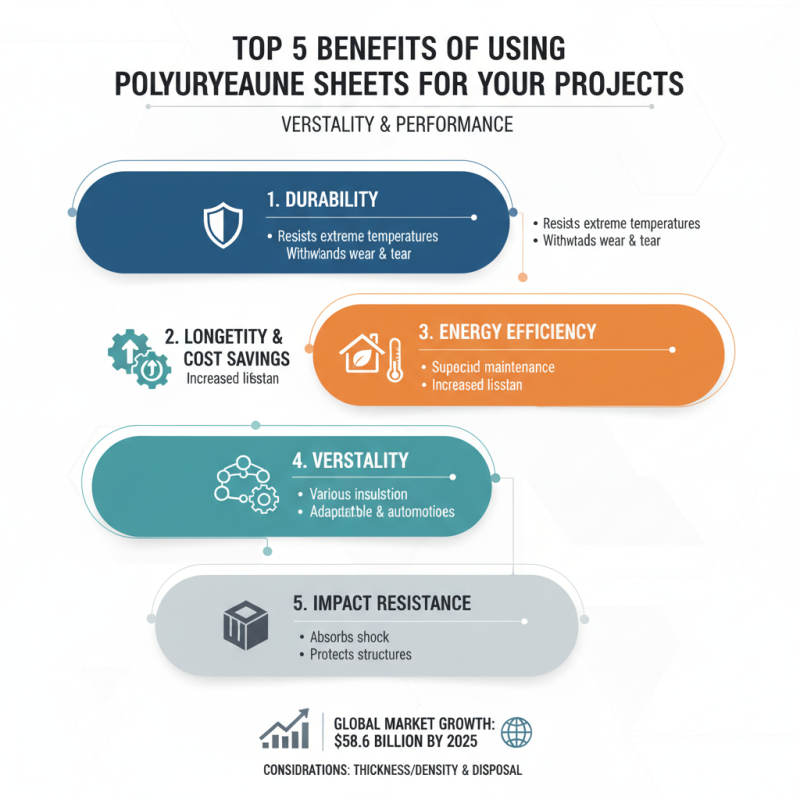
Polyurethane Sheets have become essential in various industries, thanks to their exceptional versatility and performance attributes. According to a report by MarketsandMarkets, the polyurethane market is projected to reach $58.6 billion by 2025, driven by demand in construction and automotive sectors. This growth underscores the material’s increasing importance in project applications.

One significant advantage of polyurethane sheets is their durability. These sheets can withstand extreme temperatures and resist wear and tear. Industries utilizing these materials often report lower maintenance costs and increased longevity in their projects. For instance, in construction, polyurethane sheets are favored for insulation and cladding due to their excellent energy efficiency.

However, the use of polyurethane sheets can present challenges. Finding the right thickness and density can be complex. Additionally, proper disposal methods are crucial to minimize environmental impact. Despite these concerns, the benefits often outweigh the drawbacks, making polyurethane sheets a reliable choice for many projects.
Top 5 Benefits of Using Polyurethane Sheets for Your Projects?

Understanding Polyurethane Sheets and Their Composition

Polyurethane sheets offer unique properties that make them ideal for various projects. They are made from a polymer that combines flexibility and resilience. This composition gives them excellent abrasion resistance and durability. Many industries rely on these sheets for everything from insulation to protective barriers. Understanding their properties helps in making informed decisions.

When working with polyurethane sheets, remember to consider their thickness and density. These factors greatly influence their performance. Thicker sheets provide more protection but may be harder to manipulate. Conversely, thinner sheets are easier to cut and shape but might not withstand heavy impact.

Tip: Always test the sheet in a small area first. This practice helps to ensure it meets your project's requirements. Additionally, keep your workspace clean. A tidy area reduces the risk of accidents and ensures accurate measurements. Reflecting on your previous projects can also lead to better outcomes in future applications.

Top 5 Benefits of Using Polyurethane Sheets for Your Projects

Benefit Description Applications
Durability Polyurethane sheets are resistant to abrasion, chemicals, and impacts, ensuring longevity. Construction, manufacturing, automotive
Flexibility These sheets can be easily molded into various shapes while retaining their properties. Custom parts, packaging, insulation
Lightweight Polyurethane sheets are lightweight, making them easy to transport and handle. Aerospace, transportation, personal protective equipment
Thermal Insulation Excellent thermal insulating properties help maintain temperature control. Refrigeration, HVAC, building materials
Noise Reduction Effective at dampening sound, making environments quieter. Industrial applications, office spaces, residential

Durability and Resistance of Polyurethane Sheets in Various Environments

Polyurethane sheets offer remarkable durability and resistance in various environments. These sheets effectively withstand harsh conditions, making them an excellent choice for many projects. For instance, they can endure extreme temperatures, ranging from very low to high heat, without losing their structural integrity. This flexibility ensures their effectiveness in diverse applications, from construction to automotive uses.

In addition to temperature resilience, polyurethane sheets resist abrasion and chemicals. This property is critical in industrial settings where exposure to corrosive materials is common. Unlike other materials, polyurethane maintains its performance over time, reducing the need for frequent replacements. Yet, not all polyurethane sheets are created equal. Some might lack the desired thickness, leading to early wear in demanding situations.

While polyurethane sheets boast impressive qualities, users must consider specific project needs. Factors like UV resistance and moisture exposure levels can significantly influence performance. Not every polyurethane will excel in all situations. Being informed about material specifications is crucial for optimal results. Reflecting on these aspects can lead to better choices and a deeper understanding of this versatile material.

Cost-Effectiveness of Using Polyurethane Sheets in Long-Term Projects

Polyurethane sheets are becoming a popular choice in various industries. The cost-effectiveness of these sheets plays a crucial role in long-term projects. According to industry reports, the initial investment may seem higher compared to other materials. However, their durability and low maintenance requirements offer significant savings over time.

Research indicates that polyurethane sheets can last up to 10 times longer than traditional materials like wood or plastic. This longevity translates to reduced replacement costs and less landfill waste. A study from the Materials Research Society highlighted that over a 10-year period, projects using polyurethane sheets saved an average of 20% on overall costs due to lower maintenance and replacement needs.

Moreover, the energy efficiency of polyurethane can lead to reduced energy bills. For example, its ability to insulate effectively helps control temperatures. In many cases, this alone results in a return on investment within a few years. However, some professionals may underestimate the long-term benefits when choosing different materials. Understanding the true value of polyurethane is essential for making informed decisions in project planning.

Versatility of Polyurethane Sheets for Different Applications

Polyurethane sheets are known for their versatility across various applications. Their flexible nature allows them to be used in many fields. In construction, they are often utilized as insulation materials due to their excellent thermal resistance. This quality helps in energy conservation, making buildings more efficient.

In manufacturing, polyurethane sheets serve as protective coverings or gaskets. They resist wear and tear, increasing the lifespan of machinery components. Their lightweight nature means they do not add unnecessary weight, which is crucial in industries like aerospace and automotive. However, not all polyurethane sheets have the same durability. Choosing the right type is essential for specific applications.

Moreover, in the medical field, these sheets are used for devices and equipment. Their biocompatibility ensures safety for patients. This application, however, requires stringent regulations that not all manufacturers meet. Quality control is paramount in ensuring that the products are safe for use. This highlights the importance of supplier reliability in sourcing polyurethane sheets for sensitive applications.

Top 5 Benefits of Using Polyurethane Sheets

This chart illustrates the top benefits of using polyurethane sheets in various projects. The ratings range from 1 to 10, reflecting how advantageous each feature is perceived in practical applications.

Environmental Considerations and Sustainability of Polyurethane Sheets

Polyurethane sheets offer a range of benefits, particularly in terms of sustainability. These materials can be produced with less energy compared to traditional plastics. They often have a reduced environmental footprint during their life cycle. This makes polyurethane a preferable choice for eco-conscious projects. Moreover, many manufacturers are now focusing on sourcing materials from recycled products. This shift is crucial for promoting a circular economy.

When considering polyurethane for your projects, aim to choose sheets that are explicitly marked as eco-friendly. This designation often indicates that the production processes are more sustainable. Additionally, consider the end-of-life options for your polyurethane sheets. Some can be recycled or repurposed, which helps minimize waste.

Tips: Always check for certifications that reflect sustainability standards. This ensures your choice is both responsible and effective. Don’t overlook how the adhesive or sealants link with the sheet, as they can impact environmental sustainability too. Making informed decisions will reflect in both project outcomes and broader environmental benefits.