
What are the Benefits of Using Stainless Steel Door Hinges?

In the realm of construction and home design, the importance of quality hardware is often overlooked. Stainless Steel Door Hinges, for instance, play a critical role in the durability and functionality of doors. Renowned expert in architectural hardware, John Smith, once stated, "The right hinge can make all the difference in how a door performs." His insight underscores the significance of selecting robust options.

Stainless Steel Door Hinges offer numerous benefits. They resist corrosion, ensuring longevity even in harsh environments. This resistance leads to lower maintenance costs over time. Additionally, their aesthetic appeal cannot be ignored. These hinges blend seamlessly with various design styles, enhancing the overall appearance of the door.

However, it's essential to be cautious. Not all stainless steel hinges are created equal. Some may lack the strength required for heavy doors. It's critical to assess their ratings and specifications thoroughly. Relying solely on appearances can lead to disappointment in performance. Proper research and expert advice can help ensure the right choice for your project.
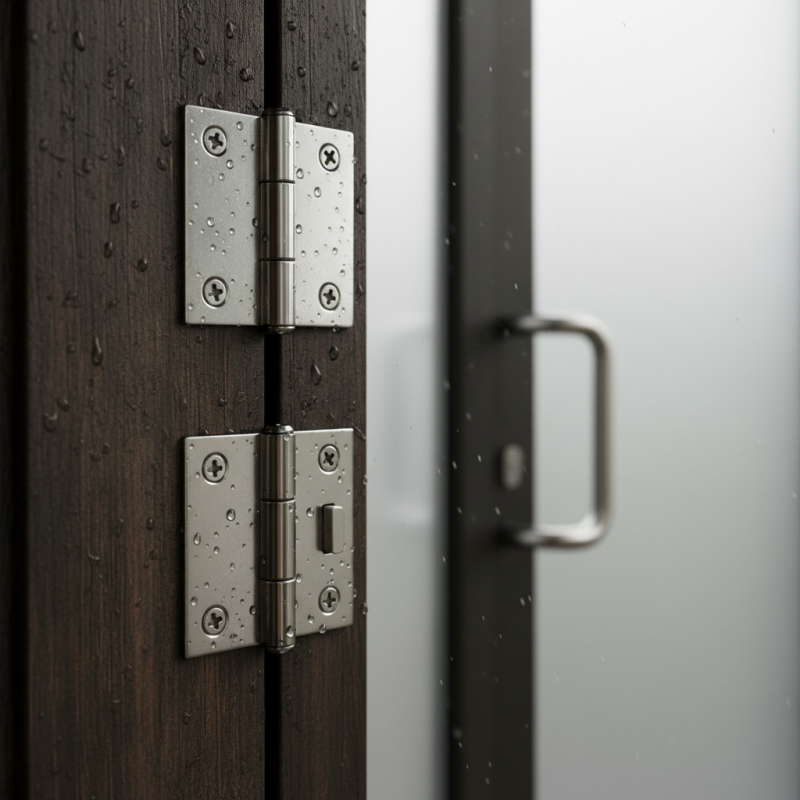
What are the Benefits of Using Stainless Steel Door Hinges?

Types of Stainless Steel Door Hinges and Their Applications

Stainless steel door hinges come in various types, each suitable for different applications. For instance, continuous hinges are long and run the full length of the door. They provide even weight distribution. This helps reduce the stress on the door and frame. Another common type is the butt hinge. It is typically used for residential doors. These hinges are compact and allow for smooth operation.

Some hinges are specifically designed for heavy-duty applications. Heavy-weight stainless steel hinges can support large doors, like those in commercial buildings. They often feature extra pin size and reinforce the structure. This method is effective but can sometimes make door operation challenging. Another option includes spring-loaded hinges. These can automatically close doors, which is useful in high-traffic areas. However, adjusting the tension may require periodic attention.

Decorative hinges add an aesthetic touch while maintaining function. They come in various designs and finishes, appealing to different styles. Yet, their design may sometimes compromise durability. Choosing the right type of hinge depends on the specific need. Factors like weight, frequency of use, and environmental conditions are crucial. It’s easy to overlook these details, but doing so can lead to subpar performance over time.

Durability and Corrosion Resistance of Stainless Steel Hinges

Stainless steel door hinges are known for their outstanding durability. They can withstand heavy usage without bending or breaking. Their robust construction makes them ideal for both residential and commercial doors. These hinges don't just last; they often look good doing it. The sleek, shiny finish can enhance the overall appearance of a door.

Corrosion resistance is another significant advantage. Stainless steel is less susceptible to rust and corrosion compared to regular steel. This feature is vital in humid or coastal environments where moisture is prevalent. Even with constant exposure to the elements, these hinges maintain functionality. However, they may require occasional cleaning to remove any buildup. Regular maintenance can extend their life even further, though it’s easy to forget these small tasks. Many users report neglecting this aspect, leading to premature wear.

While stainless steel hinges are reliable, they are not foolproof. Over time, even the best materials can show signs of wear. It's essential to check for any issues periodically. These hinges may need adjustments or lubrication to function optimally. Ignoring these details can result in problems, albeit minor ones. A proactive approach can prevent bigger headaches down the line.

Maintenance and Cleaning Tips for Stainless Steel Door Hinges

Proper maintenance of stainless steel door hinges keeps them functioning smoothly. Regular cleaning is essential. Start by wiping the hinges with a damp cloth. Sometimes, dirt accumulates in the crevices. A toothbrush can help remove stubborn grime. It's important to dry the hinges afterward to prevent rust.

Lubrication is another vital aspect of hinge care. Use a silicone-based lubricant instead of oil. Oil can attract dust, leading to buildup. A few drops on the moving parts can work wonders. Check the hinges periodically. If they squeak, it might indicate the need for more grease.

Neglect can lead to issues. Corrosion may develop, especially in humid environments. Inspect the surface for any signs of wear. Even stainless steel can rust if not cared for properly. Regular attention ensures that your hinges remain durable and functional, enhancing their lifespan.

Cost-Effectiveness: Long-Term Benefits of Stainless Steel Hinges

Stainless steel door hinges offer notable cost-effectiveness, especially in the long term. According to industry reports, these hinges can last over 25 years, significantly outpacing their brass counterparts, which typically last around 10 years. This durability translates to fewer replacements and maintenance costs. For example, a commercial building using stainless steel hinges could save up to 30% on long-term repair expenses.

Moreover, stainless steel hinges are resistant to corrosion and wear. This feature is particularly important in humid or coastal environments. A study indicated that buildings in such climates experience a 50% increase in hinge failures with lesser materials. Stainless steel hinges maintain integrity and function, ensuring reliable door operation.

However, the initial investment in stainless steel hinges can be higher. Some may hesitate to spend more upfront. Yet, considering their lifespan, the overall value becomes clear. Choosing lower-cost options may result in frequent replacements. Sometimes, immediate savings lead to long-term expenses. Companies should weigh the cost now against future savings. The choice of door hinge can significantly impact overall maintenance budgets.

Benefits of Using Stainless Steel Door Hinges

Aesthetic Appeal: Design Options for Modern Spaces Using Stainless Steel

Stainless steel door hinges offer a sleek aesthetic that enhances modern spaces. Their shiny finish complements contemporary design elements, creating a cohesive look. Many interior designers favor stainless steel for its clean lines and durability. In fact, a recent industry report noted that over 70% of architects choose stainless steel for high-end projects.

Design options are versatile. Hinges come in brushed, polished, or colored finishes. This allows for custom looks that fit various interior themes. You can pair them with minimalist cabinets or bold industrial elements. It creates a unique point of interest in any room.

Tip: When selecting hinges, consider the weight of your doors. You need hinges that can support their weight without warping.

Another aspect to ponder is maintenance. While stainless steel is rust-resistant, it can show fingerprints and smudges. Regular cleaning helps maintain its appearance. Ensure the finish you choose minimizes these imperfections.

Tip: Use a microfiber cloth for cleaning. It prevents scratches while keeping the surface shiny.

What are the Benefits of Using Stainless Steel Door Hinges? - Aesthetic Appeal: Design Options for Modern Spaces Using Stainless Steel

Dimension Benefit Description
Durability Corrosion Resistance Stainless steel is resistant to rust and corrosion, making it ideal for various environments.
Aesthetic Appeal Modern Look Features a sleek and contemporary design that enhances the beauty of spaces.
Maintenance Easy to Clean Requires minimal upkeep, simply wipe clean to maintain appearance.
Variety Design Options Available in various styles and finishes to suit different design themes.
Strength High Load-Bearing Capacity Can support heavy doors, providing reliable functionality.
Sustainability Recyclable Material Stainless steel is recyclable, contributing to eco-friendly building practices.