
What are the Best Materials for Restroom Stall Walls?
When it comes to Restroom Stall Walls, the choice of materials can significantly impact their functionality and durability. Factors like privacy, maintenance, and cost play vital roles in this decision. Dimensions and design can vary widely, leading to diverse options available.
Common materials include stainless steel, plastic laminate, and phenolic. Each comes with distinct advantages and disadvantages. For instance, stainless steel offers durability and resistance to vandalism but may appear cold and institutional. On the other hand, plastic laminate is cost-effective, yet less durable in high-traffic areas.
Ultimately, finding the best materials for restroom stall walls requires thoughtful consideration. Reflecting on how materials wear over time is crucial. Users must weigh aesthetics against practicality. In a world that values both form and function, the choice can become complex. Understanding these dynamics is essential for creating inviting and resilient restroom spaces.
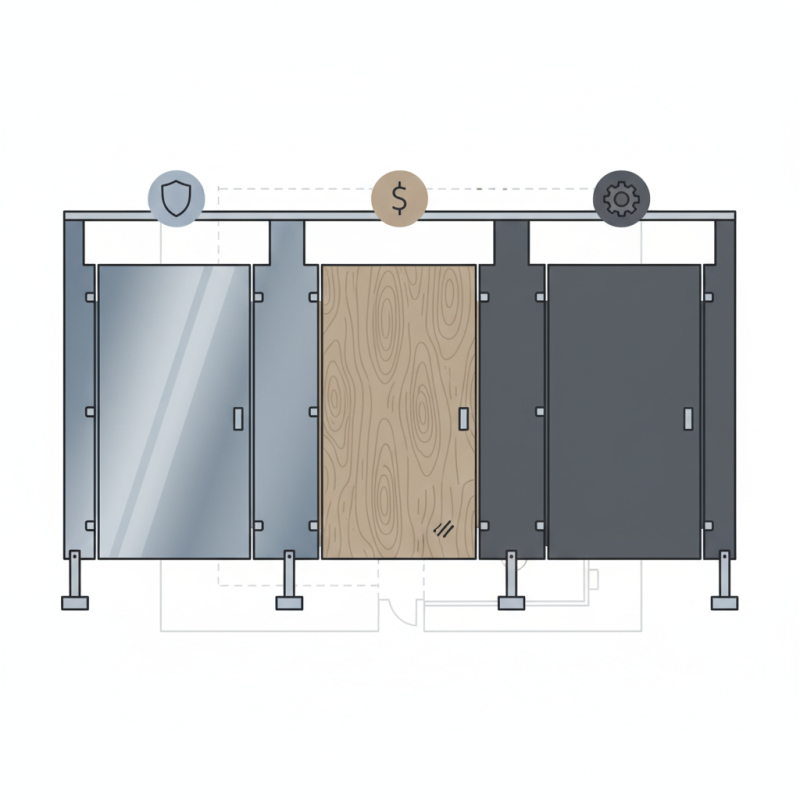
Overview of Restroom Stall Wall Material Options
When choosing materials for restroom stall walls, durability is key. Common options include stainless steel, plastic laminate, and phenolic. Each material has unique benefits and drawbacks. For instance, stainless steel is strong and resistant to vandalism. Yet, it can dent easily and may show scratches over time.
Plastic laminate is inexpensive and comes in many colors. However, it is less durable than other options. Studies show that 50% of facility managers prefer this material for cost reasons. Phenolic, on the other hand, offers excellent moisture resistance. It’s also very durable but comes at a higher price point.
Maintenance is another important factor. Some materials require more upkeep than others. For instance, while stainless steel is easy to clean, signs of wear can be hard to fix. A report by the Facility Maintenance Association found that 70% of restroom issues stem from poor material choices. This data highlights the need for smarter decisions. Choosing the right material means considering aesthetics, cost, and maintenance requirements. Each choice has trade-offs that must be weighed carefully.
What are the Best Materials for Restroom Stall Walls? - Overview of Restroom Stall Wall Material Options
| Material | Durability | Cost (per sq. ft.) | Maintenance | Aesthetic Appeal |
|---|---|---|---|---|
| Plastic Laminate | Moderate | $20 - $30 | Low | High |
| Stainless Steel | Very High | $50 - $70 | Medium | Moderate |
| Phenolic Resin | High | $30 - $50 | Low | High |
| HDPE (High-Density Polyethylene) | Very High | $25 - $40 | Very Low | Moderate |
| Wood | Low | $15 - $25 | High | Very High |
Durability and Maintenance Considerations for Stall Walls
When choosing restroom stall wall materials, durability is crucial. It directly impacts the life expectancy of the stalls. A recent report by the American Restroom Association notes that restroom wall surfaces can suffer from frequent abuse. High-traffic areas often experience damage from moisture, cleaning products, and daily wear.
Materials like stainless steel and plastic laminate are popular due to their resistance to moisture. Stainless steel offers a sleek look and is nearly indestructible. Yet, it can show fingerprints easily. On the other hand, plastic laminate is lightweight and easy to clean, yet it may not withstand heavy impacts. This trade-off is essential for facilities aiming for both aesthetics and longevity.
Maintenance is another factor to consider. According to the Building Owners and Managers Association, regular upkeep can reduce long-term costs by 20%. Regular cleaning and inspections help detect early damage, preventing larger repairs. Using durable materials can result in lower overall maintenance needs. Still, even the best materials require thoughtful maintenance plans to truly shine.
Cost Analysis of Various Restroom Stall Wall Materials
When choosing restroom stall wall materials, cost is a crucial factor. Common options like plastic, metal, and wood each have distinct price points. Plastic panels tend to be the most economical choice. They are lightweight and resistant to moisture. However, their durability may not match other materials.
Metal stalls, often made from stainless steel, offer increased strength. They are more expensive but provide excellent longevity. Businesses must weigh the upfront cost against potential long-term savings. Some may find the sleek look of metal appealing, while others might prefer warmth from wood.
Wooden stalls create a more inviting atmosphere. However, they require regular maintenance and are less moisture resistant. This could lead to higher long-term costs due to repairs. Ultimately, the best choice always involves a balance between initial cost and longevity. Reflecting on the overall environment and desired aesthetic can help guide this decision.
Aesthetic and Design Factors in Choosing Stall Walls
When choosing materials for restroom stall walls, aesthetics play a crucial role. The visual appeal of a restroom can significantly influence a visitor's experience. Colors, textures, and finishes contribute to the overall impression. For example, softer colors can create a calming atmosphere. Conversely, bold colors might energize the space. Designers often consider how these choices reflect the overall theme of the facility.
However, design is not without its challenges. Selecting materials that are both attractive and durable can be tricky. Some materials may look good initially but wear poorly over time. This can lead to increased maintenance costs and an unappealing appearance. It’s important to balance beauty with practicality. Reflections on environmental impact can also complicate the decision. Sustainable options might lack the vibrancy desired but contribute to eco-friendliness.
In addition, the texture of the material affects both touch and appearance. A smooth surface may be minimalist and easy to clean, while a textured one can add depth. But texture may also collect more dirt and grime. Designers must consider user preferences as well. Ultimately, creating an inviting restroom is about thoughtful choices that merge functionality with style.
Environmental Impact of Different Stall Wall Materials
Restroom stall wall materials can greatly impact the environment. Some common options include metal, laminate, and recycled plastics. Each material has its own environmental footprint, which deserves careful consideration. For instance, metal walls are sturdy but can rust over time. This leads to increased maintenance and potential waste. On the other hand, laminate is widely popular due to its variety in design, yet it may release chemicals during production.
Recycled plastic stalls stand out as an eco-friendlier choice. They are made from post-consumer materials, reducing waste. However, their longevity remains a question. They may not endure extreme conditions as well as metal, leading to potential replacements sooner than expected. Choosing the right material requires a balance between durability and environmental impact.
Tips: Think about your location. In humid areas, metal may not be ideal. Consider low-maintenance materials to save time and resources. Always research the production process. Some options might seem green but have hidden impacts.