Best Prefab Walk In Cooler Options for Your Business Needs?
In today's fast-paced business environment, temperature control is critical for success. A reliable Prefab Walk In Cooler can significantly impact a business's efficiency and product quality. As John McKenzie, a leading expert in commercial refrigeration, states, “Choosing the right prefab walk in cooler is essential for preserving your products and maximizing profits.”
Investing in a prefab walk in cooler not only ensures your goods remain fresh but also enhances operational workflow. Businesses often overlook the importance of selecting the right size and design. The wrong choice could lead to wasted space or inadequate cooling. This means some businesses experience inefficiencies, impacting their bottom line.
Additionally, while many options are available, knowing which features matter most can be challenging. Features like energy efficiency and durability are vital. Selecting a cooler without these considerations can lead to future regrets. Careful assessment of your needs is necessary for making an informed decision on the best prefab walk in cooler for your business.
Best Prefab Walk In Cooler Options for Your Business Needs
When selecting a prefab walk-in cooler for your business, it's crucial to understand specific needs. According to industry reports, 21% of businesses experience temperature control issues. Improper cooling can lead to spoilage, affecting both quality and profits. Choosing the right size and insulation is essential. A cooler that is too small may strain to maintain temperatures, while an oversized unit wastes energy.
Look for features that enhance sustainability. A study by the U.S. Department of Energy indicates that energy-efficient models can reduce operational costs by up to 30%. Proper use of LED lighting and smart temperature controls can also contribute to lower energy consumption. Choosing the right configuration can aid in maximizing efficiency.
Consider layout and access as well. According to a survey, nearly 40% of employees cite cramped working conditions as a major concern. Ensure easy access to frequently used items. Think about the workflow and how employees will interact with the cooler. Not every design meets practical needs. Taking the time to evaluate these factors is essential for a successful cooler choice.
Understanding the Importance of Walk In Coolers in Food Safety and Storage
Walk-in coolers are critical for food safety and storage in various businesses, especially in the food service industry. According to the U.S. Food and Drug Administration (FDA), maintaining proper storage temperatures is vital. The recommended temperature for refrigeration is at or below 40°F (4°C). Failing to do so increases the risk of foodborne illnesses caused by bacteria like Salmonella and E. coli. A single temperature spike can lead to losses worth thousands of dollars.
Moreover, a study by the USDA found that proper cold storage can extend the shelf life of perishable items significantly. For example, refrigerated meats can last 3-5 days longer compared to those stored at improper temperatures. This data underscores the importance of investing in reliable cooling systems. Choosing the right walk-in cooler not only protects food quality but also safeguards public health.
On the other hand, some businesses still overlook these essential storage solutions. Many owners think they can compromise on space or temperature control. This can lead to inventory spoilage and increased waste. The gap between expectations and reality can be stark, often resulting in penalties from health inspections. Making informed choices about walk-in coolers is crucial for business sustainability and compliance with health regulations.
Best Prefab Walk In Cooler Options for Your Business Needs
| Type | Size (Cubic Feet) | Temperature Range (°F) | Energy Efficiency Rating | Materials Used | Warranty (Years) |
|---|---|---|---|---|---|
| Standard Walk-In Cooler | 100 | 32 to 38 | Energy Star Certified | Galvanized Steel | 3 |
| Dual Temperature Walk-In Cooler/Freezer | 150 | -10 to 38 | Energy Star Certified | Stainless Steel | 5 |
| Compact Walk-In Cooler | 50 | 32 to 38 | Not Rated | Aluminum | 2 |
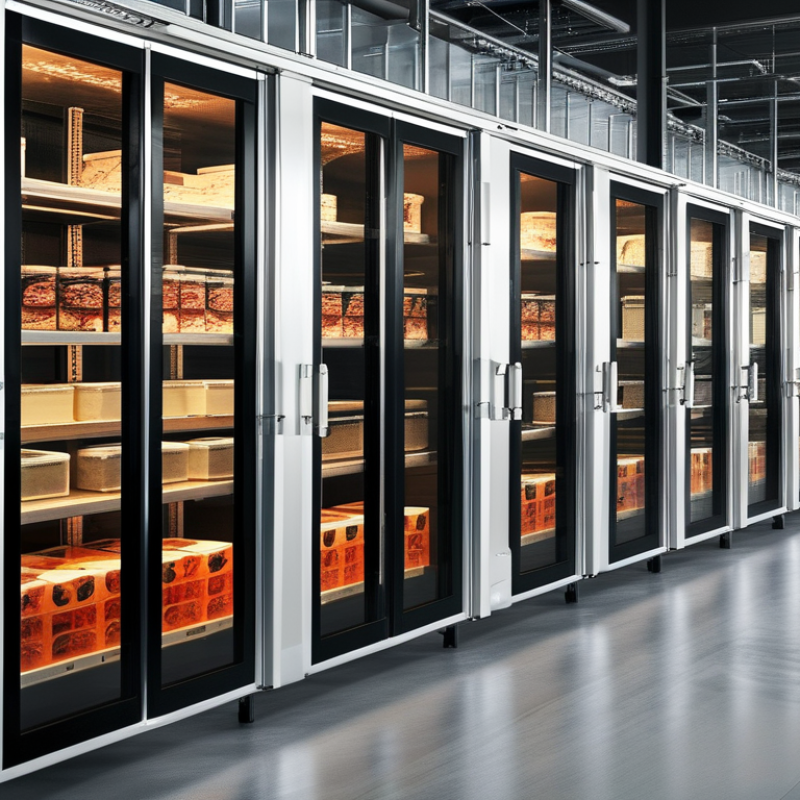
| Glass Door Walk-In Cooler | 80 | 32 to 38 | Energy Star Certified | Glass and Steel | 3 |
Key Features to Consider When Selecting a Prefab Walk In Cooler
When selecting a prefab walk-in cooler, there are several critical features to consider. Insulation quality is vital as it directly affects temperature consistency. According to industry reports, energy-efficient coolers can save businesses up to 30% on electricity costs. This is essential for maintaining optimal food safety and reducing utility expenses. Another important factor is the cooler's capacity. Choose a size that meets your storage needs without being excessive. The International Institute of Refrigeration suggests that underutilized spaces are less energy-efficient and can cause strain on cooling systems.
Additionally, think about the door design and accessibility. A cooler must be easy to enter and exit to enable quick inventory management. Many models come with self-closing doors, which enhance energy efficiency. Security features are also crucial. Locks should be sturdy to prevent unauthorized access. Small businesses may overlook this aspect, but it can lead to significant losses, both in product and revenue.
Finally, consider the unit’s maintenance requirements. Some models require regular upkeep, while others are low-maintenance. As per recent studies, businesses spend an average of $500 annually on maintenance for their cooling systems. Regular checks are essential for long-term reliability. Evaluate your operational capacity to decide what’s feasible. Finding the right balance will contribute to the success of your establishment.
Comparing Different Materials and Insulation for Energy Efficiency
When choosing a prefab walk-in cooler, material and insulation play crucial roles in energy efficiency. The most common materials include steel and aluminum. Steel is often more durable but may corrode if not properly maintained. Aluminum, on the other hand, tends to resist corrosion better but might not offer the same level of insulation without added layers.
Insulation types also vary widely. Polyurethane is a popular choice because it provides excellent thermal resistance. However, some businesses opt for polystyrene, which can be less costly but may require thicker walls for the same energy efficiency. Each option has its pros and cons, and businesses need to weigh them based on their specific needs and climate conditions.
Not all installation processes guarantee perfect results. Gaps in insulation can lead to higher energy costs and fluctuating temperatures, affecting stored products. Regular checks are necessary to ensure the integrity of both materials and insulation. Reflection on the effectiveness of your current choice can lead to valuable insights for future investments.
Top Manufacturers and Brands for Reliable Walk In Coolers in 2023
When selecting a walk-in cooler, businesses must prioritize reliability and efficiency. In 2023, the market is filled with options, but not all coolers are created equal. Industry reports indicate that energy-efficient models can reduce operational costs by up to 30%. Investing in high-quality materials and insulation is crucial. This can prevent energy loss and maintain consistent temperatures.
Top manufacturers focus on durability and user-friendly features. A recent study highlighted that models with digital temperature controls decrease the risk of product spoilage. These controls offer precise monitoring, alerting users to fluctuations. Moreover, easy installation and maintenance can greatly enhance user experience.
Some brands excel in customer service, providing extensive warranties. Companies that prioritize post-sale support are more likely to foster loyalty. However, buyers should beware of overly complex designs that may hinder functionality. Choosing a cooler is essential, as it directly impacts inventory management and customer satisfaction. Performance and reliability define successful businesses in the food service industry.