
Best Printed Paper Bags for Eco Friendly Packaging Solutions?
In a world increasingly focused on sustainability, Printed Paper Bags have emerged as an essential solution for eco-friendly packaging. These bags offer not only practicality but also a way to showcase your brand’s commitment to the environment. Their versatility allows businesses to use them in various settings, from retail to events.
However, despite their many advantages, not all printed paper bags are created equal. Some lack durability, while others may compromise on design. Choosing the right printed paper bags requires consideration of material quality and print techniques. Businesses must strike a balance between aesthetic appeal and functionality.
Moreover, while many companies promote their eco-friendly practices, transparency is crucial. Consumers want to know how bags are produced and sourced. Brands that fail to communicate this may be seen as less credible. The growing demand for eco-friendly packaging pushes companies to innovate. Yet, the journey is not without challenges.
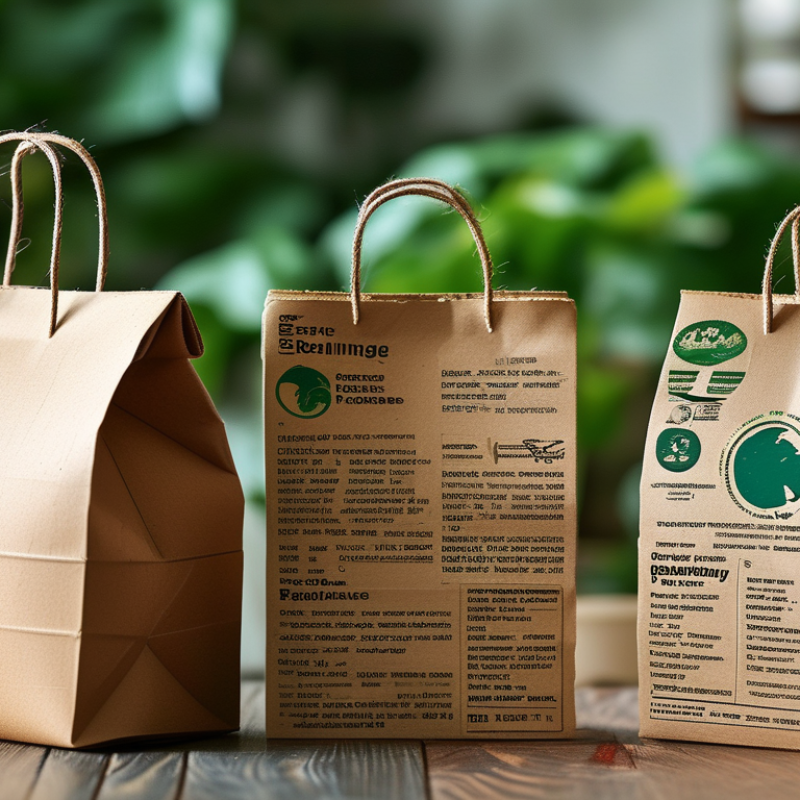
Benefits of Using Printed Paper Bags for Eco-Friendly Packaging
Printed paper bags are gaining traction as an eco-friendly packaging solution. Their environmental benefits are significant. According to a report by the Paper and Packaging Board, paper bags can be recycled and are often made from renewable resources. Approximately 70% of paper bags are produced from recycled content. This drastically reduces the need for virgin materials. Therefore, brands that shift to printed paper bags contribute to a circular economy.
Using printed paper bags also reduces plastic waste. The World Wildlife Fund highlights that plastic takes up to 1,000 years to decompose. In contrast, paper bags decompose within months. This rapid biodegradability appeals to environmentally-conscious consumers. Many shoppers prefer brands that align with their eco-friendly values. According to surveys, more than 60% of consumers are willing to pay extra for sustainable packaging solutions.
However, there are challenges within this ecosystem. Not all paper bags are created equal. Some production methods may still involve harmful chemicals. Furthermore, recycling infrastructure is not uniformly available. Communities need to improve recycling facilities. This disparity can lead to misconceptions about the overall sustainability of paper bags. Such factors underline the need for brands to conduct diligent research before making a shift.
Types of Eco-Friendly Materials Used in Printed Paper Bags
When considering eco-friendly packaging solutions, printed paper bags offer a sustainable choice. These bags are typically made from recycled materials, helping reduce waste. The environmental impact of production is lower than plastic alternatives, making them a preferred option for many.
A popular type of eco-friendly material used in these bags is kraft paper. It is durable, biodegradable, and recyclable. Another option is recycled paper, which comes from post-consumer waste. This choice minimizes the need for virgin materials. Biodegradable coatings can also enhance the bag's performance while remaining eco-conscious.
Tips: Always check for certifications that guarantee the material's sustainability. Look for bags that clearly state their recycling capabilities. This ensures you are making an informed choice. Remember, not all printed paper bags are created equal—they may vary in thickness and resilience. It’s essential to assess whether the bag meets your needs without compromising environmental goals.
Design Considerations for Effective Printed Paper Bag Branding
When designing printed paper bags, branding is crucial. The visuals on your packaging can attract customers. Colors, typography, and imagery all play a significant role. A unique design can set your brand apart. Consider the audience's preferences and values. This will influence their purchasing decisions.
Tips for Effective Branding: Use minimalistic designs. Sometimes, less is more. A cluttered bag can confuse customers. Ensure your logo is prominently displayed. It should be easy to recognize at a glance. Think about the occasion or season. Seasonal designs can resonate well with consumers.
Sustainability is essential. Consumers appreciate eco-friendly choices. Using recycled materials not only helps the environment but also enhances your brand's image. Ensure your messaging reflects this commitment. However, be cautious; over-promising can lead to distrust. Authenticity is key in today’s market. Evaluate your design regularly and seek feedback. This can help refine your approach.
Sustainability Practices in the Production of Printed Paper Bags
Sustainability practices in the production of printed paper bags have gained significant attention in recent years. Industry reports indicate that over 60% of consumers prefer eco-friendly packaging options. This demand drives brands to adopt sustainable solutions, including the use of recycled materials in paper bag production. Many manufacturers now source paper from responsibly managed forests, following guidelines from organizations like the Forest Stewardship Council (FSC).
However, challenges remain in achieving complete sustainability. The production process can still involve significant energy consumption, contributing to a larger carbon footprint. Reports estimate that producing one ton of paper generates approximately 1.5 tons of greenhouse gases. Moreover, not all paper bags are easily recyclable, especially those with plastic lamination. The industry must confront these complexities while striving for greener practices.
Innovations are emerging to improve sustainability. For instance, biodegradable inks and water-based adhesives are becoming more common. These materials offer safer alternatives compared to traditional chemical options. Yet, widespread adoption is still lagging. Balancing functionality and environmental impact requires ongoing commitment and innovation from producers. Crafting a truly sustainable printed paper bag demands careful consideration across all stages of production.
Comparison of Printed Paper Bags with Other Packaging Solutions
When comparing printed paper bags to other packaging solutions, it’s important to consider durability and environmental impact. Printed paper bags often hold up well during transit, protecting contents effectively. They come in various sizes and colors, offering flexibility for brands aiming for aesthetic appeal. Unlike plastic bags, paper options can be recycled easily, aligning with eco-friendly initiatives.
However, not all printed paper bags are created equal. Some may lack sufficient strength for heavier items, leading to potential spillage. Additionally, the printing process might involve inks that are not environmentally friendly, which could negate some sustainability benefits. Brands should carefully choose printers who prioritize eco-conscious practices to maintain their green credentials.
In contrast, alternatives like reusable cloth bags have their strengths, often being stronger and more durable. They can be used multiple times, which is a significant advantage. Still, they may not offer the same branding opportunities as printed paper. Each option has trade-offs, and companies must weigh these factors based on their specific needs and values. This consideration is key in developing a responsible packaging strategy.