What Are the Best Solutions for Industrial Solid Waste in China?
Industrial Solid Waste poses a significant challenge in China. As a rapidly industrializing nation, China faces immense pressure to manage waste effectively. The sheer volume of industrial solid waste generated impacts both the environment and public health. Addressing this issue requires innovative solutions and a multi-faceted approach.
Many industries in China generate vast amounts of waste during production. This waste can include metals, plastics, and hazardous materials. Improper disposal can lead to soil and water contamination. Furthermore, burning industrial waste releases harmful emissions into the air. Thus, the urgency for effective waste management strategies cannot be overstated.
Experts highlight the importance of recycling and waste-to-energy technologies. These solutions can help mitigate the effects of Industrial Solid Waste. However, the implementation is often inconsistent across regions. There is also a lack of awareness among small industries regarding sustainable practices. Finding a balance between industrial growth and environmental responsibility is imperative. As China progresses, rethinking waste management systems is essential for a sustainable future.
Overview of Industrial Solid Waste in China
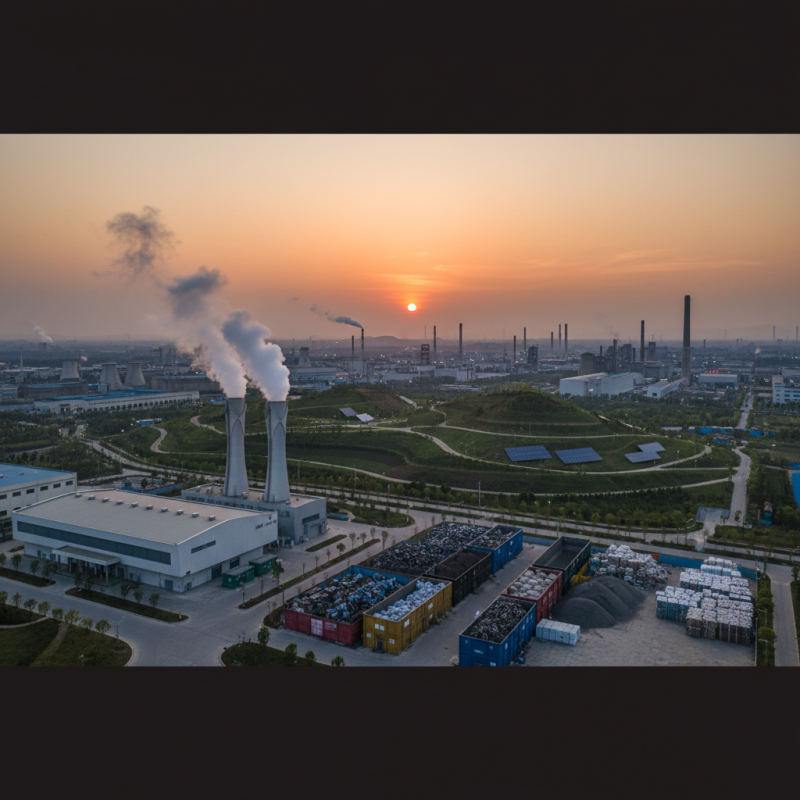
Industrial solid waste in China presents significant challenges. Each year, millions of tons of waste emerge from manufacturing, construction, and other sectors. This waste can include metals, plastics, and hazardous materials. The accumulation of these materials poses environmental risks and complicates waste management efforts.
Chinese industries are beginning to adopt comprehensive waste management practices. Many companies are focusing on recycling and reusing materials. Some are exploring waste-to-energy technologies. These practices aim to lessen the environmental footprint of industrial processes. However, gaps still exist. The gap between regulations and enforcement often hinders progress. Local governments sometimes lack the resources for effective waste management systems.
Efforts to educate businesses about sustainable practices are needed. There is a growing recognition of the importance of transparency in waste disposal. Companies must face the reality that solutions require collaboration across sectors. Strengthening regulatory frameworks can lead to more effective waste management. Yet, there is the challenge of balancing economic growth with environmental protection. Cultivating a culture of responsibility is vital for sustainable development.
Current Challenges in Managing Industrial Solid Waste
The management of industrial solid waste in China faces numerous challenges. Rapid industrialization has led to a significant increase in waste generation. Many factories lack adequate facilities for waste treatment. This results in improper disposal and environmental pollution. Landfills are often overflowing, causing soil and groundwater contamination. The air quality in nearby areas also suffers as waste decomposes.
Regulatory frameworks exist, but compliance is inconsistent. Many businesses prioritize short-term profits over long-term environmental responsibility. Training employees on waste management practices is crucial yet often neglected. Recycling efforts remain low, with many recyclable materials ending up in landfills. Limited public awareness further compounds these issues, as citizens may not fully understand the impact of industrial waste.
Addressing these challenges requires a multi-faceted approach. Enhanced regulations, better employee training, and increased awareness can foster improvement. However, businesses must reflect on their waste management strategies. Innovative solutions, such as waste-to-energy technologies, may offer promising alternatives. Collaboration between industries, government, and local communities is essential to develop effective waste management practices.
Innovative Technologies for Solid Waste Treatment
Innovative technologies are changing the landscape of solid waste treatment in China. With rapid industrial growth, solid waste management has become a pressing issue. New methods focus on reducing waste and enhancing recycling efforts. These technologies can improve efficiency and minimize environmental impact, but they also require careful implementation.
One notable approach is anaerobic digestion. This process breaks down organic material without oxygen, producing biogas and digestate. Biogas can be used as renewable energy. However, this technology needs significant investment in infrastructure.
Another promising solution is thermal treatment. High-temperature processes can reduce waste volume and generate energy. Yet, concerns over emissions linger. It's essential to ensure that these technologies meet environmental standards.
**Tips:** Regular audits of waste management systems can identify inefficiencies. Investing in staff training is crucial for successful implementation. Engaging local communities can foster support for these innovative solutions.
What Are the Best Solutions for Industrial Solid Waste in China? - Innovative Technologies for Solid Waste Treatment
| Technology | Description | Advantages | Current Implementation Status |
|---|---|---|---|
| Anaerobic Digestion | Biological process to break down organic waste without oxygen, producing biogas. | Reduces waste, generates renewable energy, and produces digestate for soil. | Widely adopted in agricultural waste management. |
| Incineration | Burning waste at high temperatures to reduce volume and generate energy. | Effective volume reduction, energy recovery, and minimal land use. | Expanding in urban areas for municipal solid waste. |
| Recycling | Process of converting waste materials into new products. | Conserves resources, reduces landfill waste, and lowers environmental impact. | Gaining momentum with government support and awareness programs. |
| Composting | Aerobic decomposition of organic materials into nutrient-rich soil amendments. | Enhances soil quality, reduces waste, and mitigates greenhouse gases. | Increased adoption in urban agriculture and community initiatives. |
| Pyrolysis | Thermal decomposition of waste in the absence of oxygen to produce oils, gases, and char. | Produces valuable by-products and reduces landfill use. | In early stages of commercialization, with promising pilot projects. |
Policy Frameworks and Regulations Impacting Waste Management
In recent years, China's approach to industrial solid waste management has evolved significantly. The government has introduced various regulations aimed at minimizing waste and promoting recycling. Policies such as the Waste Management Law provide a framework for how waste is handled at all levels. However, gaps remain in enforcing these regulations consistently across different regions.
Local governments often struggle with implementation due to limited resources. This inconsistency can lead to a lack of accountability among industries. Moreover, the growing volume of industrial waste necessitates better waste segregation practices. Effective waste reduction relies on industries adopting more sustainable practices. Training programs can enhance awareness but must be constantly updated to reflect new techniques.
Public involvement is also crucial in shaping waste management strategies. Communities should be educated about the importance of reducing waste at the source. There are moments of success, but many citizens remain unaware of their role. Enhancing public participation can lead to better compliance with regulations. It's a complex issue that requires ongoing dialogue and improvement. The journey toward effective waste management is ongoing, and there is still much to learn.
Successful Case Studies of Waste Reduction and Recycling in China
In recent years, several industries in China have implemented innovative solutions to reduce solid waste. One notable case is in the construction sector. Many companies have begun using recycled materials in new projects. This practice not only minimizes waste but also reduces the need for virgin resources. The use of recycled concrete has gained traction. This approach demonstrates a commitment to sustainability while addressing the growing demand for building materials.
Another example can be seen in the textile industry. Many firms now prioritize circular economy practices. They have instituted take-back programs for old garments. This allows companies to reclaim materials and reduce landfill contributions. Some companies have also employed technologies to recycle fabric scraps into new textiles.
Despite these advancements, challenges remain. Many companies still struggle with consumer awareness and participation. Encouraging widespread adoption of recycling programs is essential for long-term success.
Industries must continue to evolve their waste management strategies. Continuous feedback from these innovative projects can guide future efforts. Learning from both successes and setbacks is key. Ultimately, sustainable practices can lead to a cleaner environment and a more responsible economy.