
What is Chlortetracycline Premix and How is it Used?
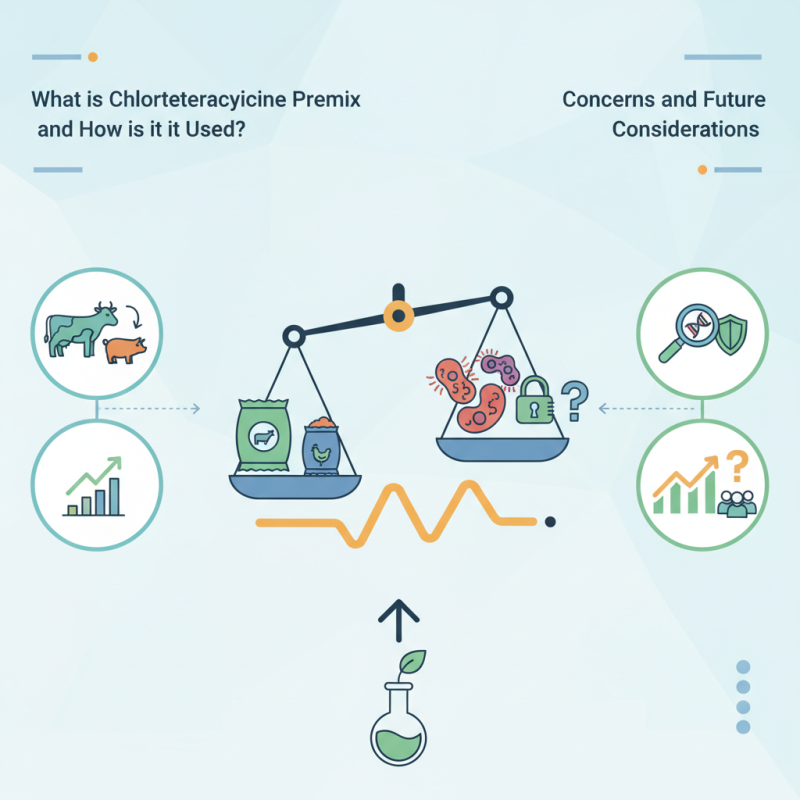
chlortetracycline premix is a well-known antibiotic used in animal agriculture. It helps control bacterial infections in livestock. According to the World Health Organization, antibiotics like chlortetracycline can enhance growth rates and feed efficiency. This has made it popular among farmers.
In recent years, the use of chlortetracycline premix has raised concerns. Studies show that overuse can lead to antibiotic resistance. The Centers for Disease Control and Prevention highlights the risks posed by resistant bacteria. While chlortetracycline is effective, its long-term implications require careful consideration.
Farmers must weigh the benefits against potential drawbacks. Although chlortetracycline premix can improve livestock health, its cost-effectiveness is under scrutiny. Balancing animal welfare and public health is challenging. Ongoing research is essential to ensure safe use in the future.
Definition and Composition of Chlortetracycline Premix
Chlortetracycline premix is a veterinary medication often used in animal feed. This formulation combines chlortetracycline, an antibiotic, with other ingredients to create an effective treatment. It is mainly used to promote growth and prevent disease in livestock. The composition includes chlortetracycline itself, along with carriers, flavorings, and vitamins.
The main component, chlortetracycline, works by inhibiting bacterial protein synthesis. This action helps control infections in animals and improves their overall health. The precise formulation can vary, but it usually contains the right proportion of chlortetracycline to ensure efficacy.
Tips for using chlortetracycline premix involve understanding proper dosing and administration. Always adhere to prescribed amounts. Monitor your livestock closely for any side effects. Remember, not all animals respond the same way. Keep an eye on their health and behavior.
When choosing a premix, consider product quality and ingredient sources. Some producers may cut costs, leading to potential quality issues. It is essential to reflect on the long-term effects of antibiotic use in livestock, including resistance. Responsible usage is key to maintaining healthy animal populations.
Common Uses of Chlortetracycline Premix in Agriculture
Chlortetracycline premix is widely used in agriculture. This antibiotic helps improve the health of livestock. Farmers often add it to animal feed. This practice can promote growth and prevent disease.
One common use of chlortetracycline premix is in poultry farming. It helps control respiratory diseases. It can also enhance feed efficiency. However, there are concerns about antibiotic resistance. Using chlortetracycline too often might lead to resistant bacteria. This is a significant issue in animal agriculture.
In beef and dairy production, chlortetracycline is used as well. It can mitigate infections in cattle. Nevertheless, not all farmers are cautious. Some may overlook proper guidelines. This can lead to potential health risks in humans. It's essential to reflect on these practices and their long-term effects.
Common Uses of Chlortetracycline Premix in Agriculture
Dosage and Administration Guidelines for Livestock
Chlortetracycline premix is widely used in livestock for its antibiotic properties. Proper dosage and administration are critical for effectiveness. It helps control diseases like respiratory and gastrointestinal infections. Livestock dosages vary based on the type of animal and their weight. Generally, a common dosage is between 5 to 10 mg per kilogram of body weight.
Farmers often mix this antibiotic with feed. This approach ensures even distribution. However, it’s vital to follow guidelines strictly. Overshooting the dose may lead to antibiotic resistance. That can create long-term issues for animal health and food safety.
Monitoring treatment response is equally important. Observe any side effects closely. Adjust dosages accordingly. Veterinarians might suggest periodic checks on livestock health. Relying on professional advice can prevent missteps and promote better outcomes for the herd.
What is Chlortetracycline Premix and How is it Used? - Dosage and Administration Guidelines for Livestock
| Livestock Type | Dosage (mg/kg) | Administration Method | Indications | Withdrawal Period (Days) |
|---|---|---|---|---|
| Cattle | 10-20 | Oral | Respiratory infections | 30 |
| Pigs | 25-50 | Oral | Bacterial enteritis | 21 |
| Chickens | 10-25 | Water medication | Chronic respiratory disease | 14 |
| Sheep | 10-15 | Oral | Pneumonia treatment | 21 |
| Goats | 15-25 | Oral | Nutritional enhancement | 28 |
Potential Side Effects and Safety Considerations
Chlortetracycline premix is an antibiotic commonly used in veterinary medicine. It helps treat infections in animals. When using this premix, it's crucial to consider its potential side effects. While many animals tolerate it well, some may experience adverse reactions.
Common side effects include gastrointestinal upset. Animals might show signs like vomiting or diarrhea. In some cases, allergic reactions can occur. These may lead to swelling, hives, or difficulty breathing. Monitoring is essential during treatment.
Safety considerations are vital when administering chlortetracycline. Dosages must be precise to avoid toxicity. Overuse can lead to antibiotic resistance, complicating future treatments. Always consult with a veterinarian before starting any medication. Remembering these aspects will help ensure a safer approach to animal health.
Regulatory Overview and Market Availability of Chlortetracycline Premix
Chlortetracycline premix is an important veterinary drug used in animal feed. It helps prevent infections and promotes growth in livestock. The regulatory landscape is complex. Each region has its own approval process. In the U.S., the FDA oversees these products. They require extensive safety and efficacy data before granting approval.
Market availability has been shifting. A recent report indicated that the global market for veterinary antibiotics is projected to reach $8 billion by 2027. However, concerns over antibiotic resistance are growing. Many countries are implementing stricter regulations. In Europe, for instance, the use of antibiotics in animal husbandry is heavily scrutinized. This has led to a decline in the use of certain products.
Despite the challenges, chlortetracycline premix remains vital. Producers continue to seek effective solutions. Yet, the balance between efficacy and safety is not easy to achieve. The industry must adapt to new guidelines while ensuring animal health and productivity. The future may require innovative alternatives to traditional antibiotics, addressing both market demand and health concerns.