How to Choose the Best Angle Head Holder for Your Tools?
Choosing the right Angle Head Holder is crucial for maximizing your tools' efficiency. An appropriate holder can enhance precision and ease of use. However, selecting one isn't always straightforward. Many factors come into play, like compatibility with your equipment and work environment.
Consider the material and design of the Angle Head Holder. A durable holder reduces wear and tear. It can withstand rigorous tasks, ensuring longevity. Yet, you might encounter options that look appealing but may not perform well under pressure. Researching user reviews can provide valuable insights, though opinions can be mixed.
In the end, the best choice is subjective and should align with your specific needs. You may need to weigh various aspects and adjustments even after making a decision. Always be prepared to reassess your choice as your tools and projects evolve.
Understanding Angle Head Holders and Their Importance in Tool Performance
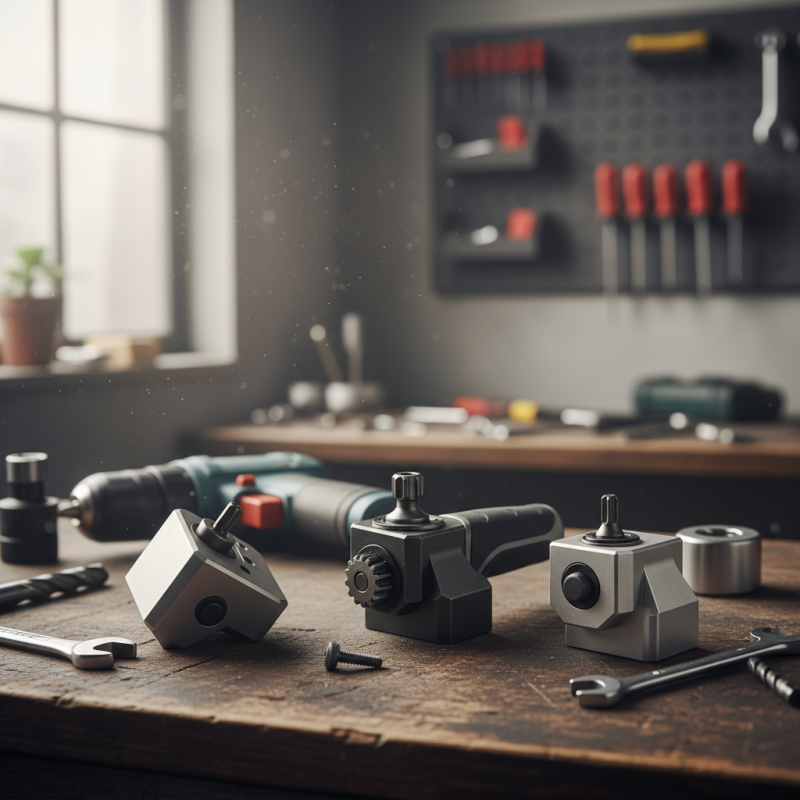
Angle head holders play a critical role in the performance of various tools. They enable precise machining in tight spaces. According to industry reports, improper tool alignment can reduce efficiency by 30%. This emphasizes the need for a quality angle head holder. The right holder improves access and accuracy, allowing for superior results.
When selecting an angle head holder, consider the material and design. Rigidity matters. A holder made from durable materials can withstand high torque. Lightweight designs enhance maneuverability. Compatibility is another key factor. Make sure the holder suits your tool system. Always check specifications carefully.
Tips: Ensure you regularly inspect your angle head holder for wear. A worn holder can lead to misalignment and increased tool wear. Consider doing a comparison of different models before purchase. This way, your choice is more informed. Aim for design aspects that promote easy adjustments. Quality matters, but understanding your specific needs is vital.
How to Choose the Best Angle Head Holder for Your Tools? - Understanding Angle Head Holders and Their Importance in Tool Performance
| Dimension | Specification | Importance |
|---|---|---|
| Clamping Capacity | Up to 20mm | Ensures tool stability and prevents slippage |
| Angle Range | 0° to 90° | Allows versatility in operation and access to difficult angles |
| Material | High-Grade Steel | Durability and resistance to wear |
| Weight | 1.5 kg | Easier handling and better ergonomic support |
| Compatibility | Standard Tool Shaft Sizes | Enhances tool usability across various applications |
| Price Range | $50 - $200 | Allows budget considerations without compromising quality |
Key Features to Consider When Selecting an Angle Head Holder
Choosing the right angle head holder for your tools requires careful consideration. The material is crucial. Look for holders made of durable metals. These can withstand high torque and vibrations. Plastic options may be lightweight, but they often lack the strength for heavy-duty work.
Next, examine the compatibility with your tools. Ensure the holder fits your specific tool types. Misalignment can lead to poor performance and tool damage. Pay attention to the clamping mechanism as well. A secure grip is essential for precision. Loose holders can cause dangerous slips.
Weight is another factor to think about. A heavier holder may offer stability, but can be cumbersome. Light options are easier to handle but might not provide the best support. Test different types to find one that fits your needs. Lastly, consider the price. A higher cost doesn’t always guarantee better quality. Reflect on your requirements and budget before making a decision.
Material and Durability: How They Affect Tool Longevity and Precision
When selecting an angle head holder, material plays a crucial role. Different materials offer varying levels of durability. For instance, steel is sturdy but can be heavy. Aluminum, while lighter, may not provide the same longevity. This balance affects how long your tools will last.
Durability directly influences precision. A holder made from premium materials can maintain accuracy over time. On the other hand, a less durable option might compromise your work. You may notice inconsistencies if your tools wobble or shift. This can happen if the holder degrades quickly.
Investing in quality materials is essential. Look for signs of wear and tear before it’s too late. Your choice impacts not just the tools but your overall work quality. Think about the kind of projects you undertake. A durable angle head holder can enhance your craftsmanship.
Compatibility with Different Tools: Ensuring Optimal Performance
Choosing the right angle head holder is essential for optimal tool performance. Compatibility with various tools plays a crucial role in this decision. When selecting an angle head holder, compatibility ensures the tool operates effectively. Users often overlook this aspect, assuming all holders will fit their tools. This can lead to inefficiencies or even tool damage.
Evaluating the specifications of your tools can help. Different tools may require specific holders to function properly. Pay attention to the dimensions and design features of each angle head holder. Some holders may not provide the desired support, causing frustration in usage. It’s vital to avoid hastily purchasing without checking compatibility.
In practice, many users find themselves struggling with mismatched holders. They often face issues such as poor fit or unstable performance. This can impact the quality of their work. Reflecting on past experiences might help in making better choices. It is important to ensure you invest in tools that truly enhance your workflow. Compatibility is not just a detail; it is a cornerstone of effective tool performance.
Industry Standards and Recommendations to Guide Your Selection Process
Choosing the right angle head holder is essential. Industry standards provide a framework that can help in this process. Look for materials that offer durability and precision. Steel and aluminum are popular choices. They withstand wear and tear better than plastic options.
Another critical aspect is compatibility. Ensure that the angle head holder fits your tools perfectly. This prevents issues during operation. Check the specifications carefully. Sometimes, what seems like a perfect fit may not meet the required standards.
Recommendations from professionals can also be beneficial. They often share insights based on real-world experiences. Conduct thorough research before making your decision. Mistakes can lead to costly delays. An informed choice can save you time in the long run. Stay vigilant and keep refining your selection process.