How to Choose the Right Claas Needle Roller for Your Equipment?
Choosing the right Claas Needle Roller for your equipment can be challenging. There are many options available on the market. Each choice has unique features and benefits. Selecting the wrong one can lead to performance issues.
The Claas Needle Roller is essential for smooth operation. It significantly reduces friction and wear. When making a decision, consider the specific requirements of your machinery. Compatibility is crucial. A mismatch can result in costly repairs or downtime.
Do not rush your decision. Take the time to research and evaluate different models. Understand the specifications and functions. This process can help prevent future regrets. A well-chosen Claas Needle Roller enhances efficiency and prolongs equipment life.
Understanding the Functionality of Claas Needle Rollers
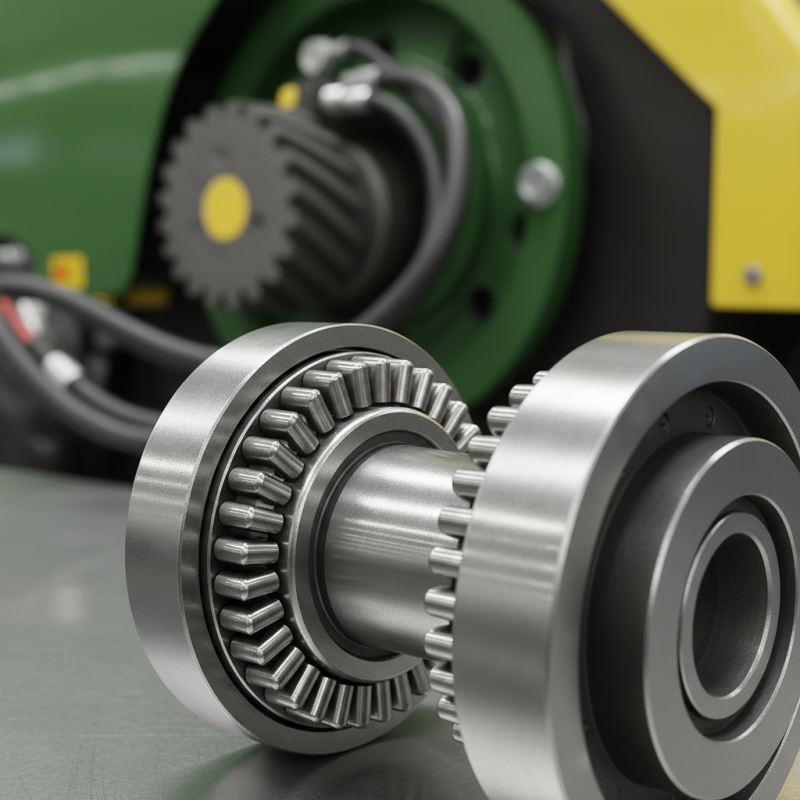
Claas needle rollers play a crucial role in various agricultural machines. Their main function is to reduce friction between moving parts. This enhances efficiency and longevity in equipment. Without proper rollers, machinery can face unnecessary wear. That could lead to costly repairs or downtime.
Understanding the specific functionality of these rollers is essential. These components help to distribute loads evenly. This means they can withstand high pressure. Choosing the wrong rollers may result in equipment failure. Common flaws include selecting the wrong size or type. This often leads to poor performance and a lack of precision.
Maintenance is another aspect to consider. Regular checks on these rollers can prevent bigger issues. Grime and debris can build up, causing blockages. This makes it vital to ensure they are clean. You could overlook small details, but they matter. In the long run, being attentive to these components can make a significant difference in productivity.
Identifying the Specific Requirements for Your Equipment
Choosing the right needle roller for your equipment involves understanding specific requirements. Equipment often varies greatly. Each type has unique demands that should not be overlooked. These demands guide the selection of a needle roller. For instance, weight capacity can determine the appropriate choice.
Consider the size of the roller as well. It should fit your equipment without forcing it beyond its limits. A mismatch might lead to complications. Look at the environment your equipment operates in. Dust, humidity, or extreme temperatures can impact performance.
Another factor is the frequency of use. If your equipment runs continuously, a durable needle roller is essential. Materials matter. Different steels offer varying levels of strength and resistance. Analyze the maintenance needs regularly as well. Sometimes, you may realize you should choose a different option after using it for a while. Reflection on past choices can guide future decisions.
Evaluating Different Types of Claas Needle Rollers Available
When selecting a needle roller, understanding the various types available is crucial. There are several designs, each offering different benefits. For example, full complement needle rollers provide maximum load capacity. These rollers have the highest surface contact and are suitable for heavy machinery. They can handle significant stresses but may have limitations in speed.
Conversely, caged needle rollers introduce components that prevent roller interference. This design allows for higher operational speeds. A report from a machinery industry analysis highlights that caged rollers are preferred in applications requiring precision and efficiency. Studies show that using caged rollers can improve performance by up to 15%.
Capacity ratings differ across roller types. It’s essential to match these ratings with your equipment's requirements. Many users overlook this aspect, leading to premature wear or failure. Investing in the right type of needle roller can enhance performance significantly. Aim for options with proven track records in your specific applications. Not every needle roller is designed for all tasks, and this oversight can increase maintenance costs over time.
Assessing Quality and Durability in Needle Roller Selection
Choosing the right needle roller for your equipment is crucial. Quality and durability are key factors in ensuring optimal performance. When assessing needle rollers, consider the materials used in their construction. High-grade steel often indicates better longevity. Inspecting the surface finish is essential as well. Smooth surfaces help reduce friction and wear, prolonging the roller's life.
Tips: Always check the manufacturer's specifications. Compare the rolling load capacity and ensure it aligns with your equipment's requirements. This prevents premature failure and costly repairs. Also, consider the operating environment. Extreme conditions may require specialized rollers.
Another aspect to ponder is maintenance. Some needle rollers require more attention than others. Regular inspections can catch issues early, saving you time and money. Be wary of over-lubrication, which can attract dirt and grime. This detracts from long-term effectiveness.
Quality assurance tests can help validate your choices. Look for rollers that have undergone rigorous testing. This is often a good indicator of durability. Don’t rush your selection; take the time it needs. A careful choice now can lead to significant benefits later.
How to Choose the Right Claas Needle Roller for Your Equipment? - Assessing Quality and Durability in Needle Roller Selection
| Dimension | Material | Load Capacity (kg) | Operating Temperature (°C) | Lifespan (Hours) |
|---|---|---|---|---|
| 10mm x 35mm | Chrome Steel | 1500 | -20 to 120 | 5000 |
| 12mm x 40mm | Stainless Steel | 1800 | -30 to 150 | 6000 |
| 15mm x 50mm | Carbon Steel | 2000 | -40 to 160 | 4500 |
| 20mm x 60mm | Alloy Steel | 2200 | -20 to 140 | 7000 |
Making an Informed Purchase Decision Based on Expert Recommendations
Choosing the right needle roller for your equipment can be daunting. It is essential to gather insights before making a purchase. Expert recommendations can guide you significantly. Look for specific factors like load capacity, size, and material. Each detail matters greatly.
When considering a needle roller, think about installation ease. Some designs are more complex than others, which can frustrate users. Test what fits best with your machinery. Read user reviews to gauge real-world performance. This can expose potential pitfalls. Sometimes, a well-rated product may not suit your unique needs.
**Tip:** Before buying, list your equipment's specifications. This will help narrow down options.
Remember to also factor in the maintenance needs. Some needle rollers require more upkeep than others. This can affect long-term performance and costs.
**Tip:** Keep in contact with your supplier. Ask questions to clarify any doubts. Expert advice can shed light on commonly overlooked aspects.
Choosing the Right Claas Needle Roller: A Data-Driven Approach
This chart illustrates the key features and their importance ratings for selecting needle rollers based on expert recommendations.