How to Choose a Freestanding Retractable Awning for Your Home?

Choosing the right outdoor shade solution can be overwhelming. A Freestanding Retractable Awning may be the ideal addition to your home's exterior. These structures provide flexibility, allowing you to create shade when needed and retract it when not. This dual functionality makes them perfect for various outdoor activities.

When selecting a Freestanding Retractable Awning, consider your space and usage. Measure the area where you plan to install it. Think about the environmental factors too. Wind and sun exposure can affect the awning's performance. Additionally, the materials used in construction can significantly impact its durability and maintenance.

Not all options will suit your home's design. Some awnings may clash with your aesthetic. Reflect on color choices and styles to ensure they blend well with your architecture. This process can be daunting, but taking the time to evaluate your needs is key to a satisfactory purchase. A well-chosen awning will enhance your outdoor experience and add value to your home.
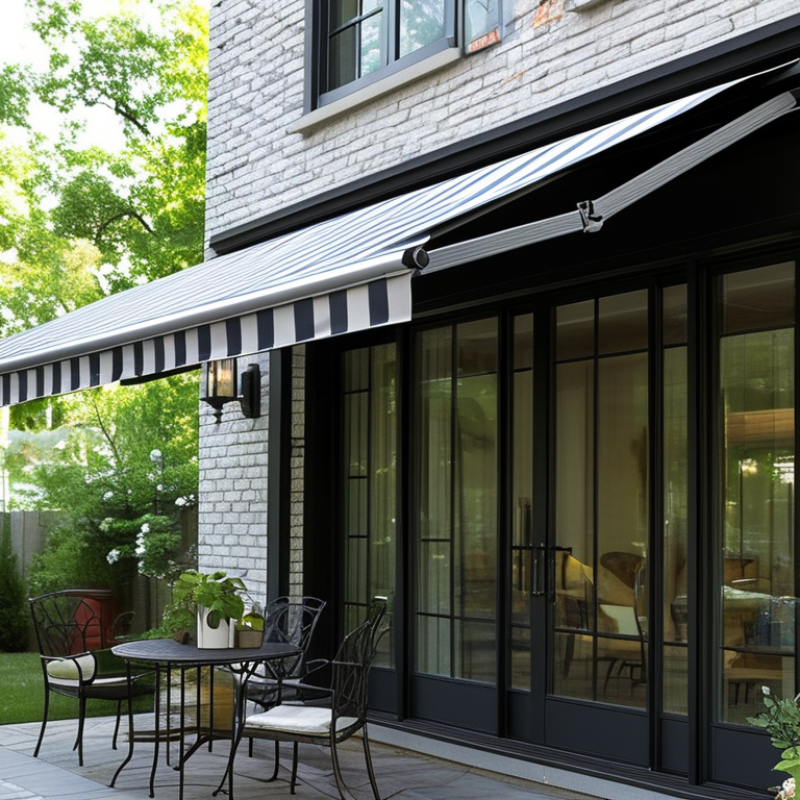
How to Choose a Freestanding Retractable Awning for Your Home?

Understanding Freestanding Retractable Awnings and Their Benefits

Freestanding retractable awnings offer numerous benefits that make them an excellent addition to any home. These structures provide shade when needed, protecting you from the harsh sun. You can easily retract them when the weather is favorable. This flexibility allows for outdoor enjoyment without compromising on comfort.

They are versatile and can be installed in various outdoor spaces, such as patios, decks, or gardens. Many designs cater to different tastes. Awnings can create intimate spaces for gatherings or quiet retreats for relaxation. Choosing the right style enhances your home’s aesthetic, making it visually appealing.

While retractable awnings are convenient, there are challenges. Weather conditions can impact their durability. Regular maintenance is essential to avoid wear and tear. Not everyone is familiar with proper installation techniques, which may lead to issues down the road. It’s vital to consider expert advice when selecting and installing these structures. This helps ensure your investment remains reliable and functional.

Key Factors to Consider When Selecting a Freestanding Awning

Choosing a freestanding retractable awning requires careful consideration. Start with size. Measure the area where you want the awning. Ensure it provides ample shade but doesn't overwhelm your space. A practical approach is to allow a little extra room for movement and placement.


Material is another crucial factor. Consider durability and weather resistance. Fabrics like acrylic or polyester can withstand various conditions. Think about the color too; lighter shades reflect heat better. But darker colors are often more striking and can hide dirt.


Installation options vary greatly. Some awnings are DIY-friendly, while others need professional help. Assess your comfort level with tools and installation. Keep an eye on local regulations. Some areas have specific requirements for outdoor structures. Flexibility in design and functionality is also vital. Finding a balance between style and practicality may require adjustments.

Material Choices for Durability and Aesthetic Appeal in Awning Design

When selecting a freestanding retractable awning, material choice is crucial. High-quality fabrics like acrylic or polyester can withstand harsh weather. Acrylic is known for its vibrant colors and UV resistance, while polyester offers strength and durability. Be cautious, however. Not all blends provide the same level of protection from fading and wear.

Metal frames are another vital element to consider. Aluminum is lightweight yet robust, making it a popular choice. Galvanized steel adds extra strength. However, these metals can rust if not appropriately treated. Always examine the finish on metal parts. A good powder coating can enhance longevity.

Though cost is important, don’t compromise on both aesthetics and functionality. The right materials should blend with your home’s design. Enjoyment from an awning comes not just from its utility but also from how it enhances your space. A thoughtful selection will lead to a beautiful integration into your home, inviting you to spend more time outdoors.

Material Choices for Durability and Aesthetic Appeal in Awning Design

Measuring Your Space for a Perfect Fit: Steps to Take

When considering a freestanding retractable awning, measuring your space accurately is crucial. A well-fitted awning not only enhances aesthetics but also maximizes its functionality. According to industry reports, a poorly measured awning can lead to ineffective sun protection, causing your energy bills to spike by up to 30%. This highlights the importance of getting it right from the start.

Begin by measuring the width of the area you wish to cover. Make sure to account for any obstacles, like doorways or windows. It’s essential to note the height at which you want the awning to be installed. A common mistake is to overlook the drop length; it should provide adequate coverage while ensuring it does not obstruct any views. Experts suggest allowing a minimum of 7 feet of clearance when fully extended.

Check for the slope of your outdoor space, as it impacts installation. If your area is uneven, the awning may not deploy smoothly. Remember, no two spaces are identical. Each measurement must be thoughtfully considered to avoid unexpected challenges during installation. Reflect on these elements and consult with professionals as needed to ensure an optimal fit.

Installation Options: Professional vs. DIY Methods for Your Awning

When choosing a freestanding retractable awning, consider your installation options carefully. Two main choices exist: professional installation and DIY methods. Professional installers have the expertise required for a seamless setup. They ensure correct alignment and secure mounting, minimizing the risk of damage. However, hiring professionals can significantly increase your overall cost.

DIY installation offers a sense of accomplishment and can save money. Many modern awnings come with clear instructions and necessary tools. If you choose this route, be ready for some challenges. Pay attention to measurements and leveling. Mistakes in these areas can lead to an uneven awning. You might also struggle with larger components. It's important to have a clear understanding of your abilities before starting.

**Tips:** Ensure you have all tools ready before you begin. Double-check all measurements before cutting. Seek help from a friend for lifting heavy parts. Consider practicing with a smaller, less complex project first before tackling the awning. This experience can help identify your strengths and weaknesses in DIY projects.