
How to Choose the Best Cabinet Door Lift Support for Your Needs
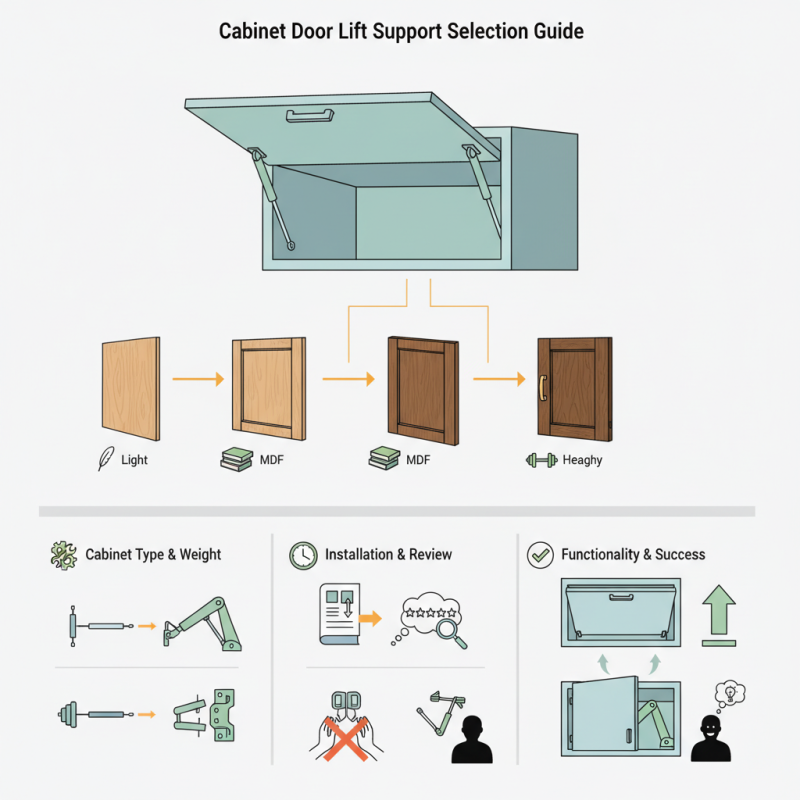
Choosing the right Cabinet Door Lift Support can greatly improve functionality in your kitchen or storage area. A well-selected lift support ensures doors open smoothly and securely. Many options exist, each tailored to different styles and weights of cabinet doors.
Consider your cabinet type when selecting a lift support. Different materials and weights require specific support features. It's easy to overlook these details, leading to potential frustrations. For example, a heavy door may require a stronger lift support to function appropriately.
Pay attention to the installation process, too. Some products might seem easy but can be tricky. Investigating various models and reading reviews can help prevent mistakes. Reflect on your choices. Will your cabinet doors operate as expected? These considerations make all the difference in your project’s success.
Understanding Cabinet Door Lift Supports: An Overview
Cabinet door lift supports are essential for modern cabinetry. They enhance convenience by allowing doors to open smoothly and stay open. These supports are typically used for upper cabinets. Their mechanisms can differ based on design and weight capacity.
Different types of lift supports serve various needs. Some are gas-filled, providing a gentle lift. Others may use springs, which can be more rigid. Choosing the right option is important. The installation process can also be tricky and may require adjustments. A perfect fit can mean the difference between ease and frustration.
Consider the weight of your cabinet doors. Heavier doors need sturdier supports. If the support is inadequate, doors may struggle to stay open. This leads to potential accidents or wear over time. Evaluate your usage habits as well. Sometimes, the chosen support may not function as promised, and that’s a learning opportunity.
Types of Cabinet Door Lift Supports: A Comparative Guide
When choosing cabinet door lift supports, understanding the various types is crucial. The most common options include gas springs and pneumatic lifts. Gas springs are excellent for heavier doors. They provide a smooth, controlled motion when opening. On the other hand, pneumatic lifts allow for easy adjustment and can be used for lighter cabinets. Each type has its unique operating mechanism and strengths.
Consider the weight and size of your cabinet doors. This can significantly affect your choice. Gas springs tend to be more powerful. They can handle larger, heavier doors effectively. Pneumatic options, while less powerful, are perfect for smaller cabinets. However, they might not always offer the stability needed for heavier applications.
Installation can be tricky, too. Ensure you follow the guidelines properly. Incorrect installation could lead to malfunctioning supports. Also, checking the recommended weight limits is essential. Some struggle with alignment issues after installation. Reflecting on the importance of proper fit cannot be overlooked. Choose wisely and ensure the mechanism aligns with your specific needs.
How to Choose the Best Cabinet Door Lift Support for Your Needs
| Type | Weight Capacity | Material | Length | Installation Type |
|---|---|---|---|---|
| Pneumatic Lift Support | 40 lbs | Steel | 10 inches | Lift-Up |
| Hydraulic Lift Support | 60 lbs | Aluminum | 12 inches | Push-Open |
| Spring Lift Support | 30 lbs | Plastic | 8 inches | Top-Mount |
| Gas Lift Support | 80 lbs | Steel | 14 inches | Side-Mount |
| Electromagnetic Lift Support | 100 lbs | Composite | 16 inches | Remote-Controlled |
Factors to Consider When Choosing Lift Supports for Cabinets
When selecting lift supports for cabinets, several factors are crucial. The weight of the cabinet door is one of the most important. A report from the Hardware Manufacturers Association found that over 70% of lift support failures are due to incorrect weight ratings. Ensuring that your supports can handle the weight is essential for safety and functionality.
Another key consideration is the type of lift mechanism. Common options include gas lifts and spring lifts. Gas lifts provide smooth operation and are often quieter. However, they can be more complex to install. On the other hand, spring lifts are simpler but might require more maintenance over time. A study by the American Institute of Cabinetry highlights that 60% of users prefer gas lifts for their ease of use, yet nearly 40% encounter issues with installation.
Installation environment matters, too. For instance, humidity and temperature fluctuations can impact the performance of lift supports. Choosing materials that withstand such conditions is vital. Studies show that improper material selection leads to a 25% higher risk of malfunction over time. Always check specifications and limitations before purchasing.
Installation Tips for Cabinet Door Lift Supports
Installing cabinet door lift supports can enhance functionality. According to industry reports, about 70% of users prefer lift supports for their ease of use. They make accessing stored items easier, especially in high cabinets. However, selecting the right model is crucial for optimal performance.
Begin by measuring your cabinet door's height and weight. This step ensures you choose lift supports that can handle the door's load. Many models offer adjustable tension, perfect for varying door weights. If the tension is too high, the door may slam shut. If too low, it won’t stay open.
Follow the manufacturer's guidelines during installation. Use a level to ensure accurate placement. Accurate alignment is essential; misaligned supports can lead to malfunction. A common error is neglecting to test the door movement after installation. A smooth operation ensures that you have not overlooked critical adjustments. Remember, even small adjustments can greatly affect functionality.
Maintenance and Troubleshooting for Cabinet Door Lift Supports
When it comes to cabinet door lift supports, regular maintenance can make a significant difference. Inspect the joints and hinges for any signs of wear or damage. Look for rust or corrosion on metal components. Such issues could lead to failure. Cleaning these areas can help extend the life of your lift supports. Dust and grime buildup could affect performance too.
Sometimes, lift supports can feel too stiff or too loose. If your cabinet door slams shut or stays open, adjustments are necessary. Tighten screws if they are loose. For stiffness, check if the brackets are properly aligned. A small adjustment can improve operation. However, you might need to replace them if problems persist. Don’t be afraid to seek advice if you’re uncertain about the repair process. Ignoring issues often leads to bigger problems down the line.