How to Choose the Best Cast Nylon Pipe for Your Project?
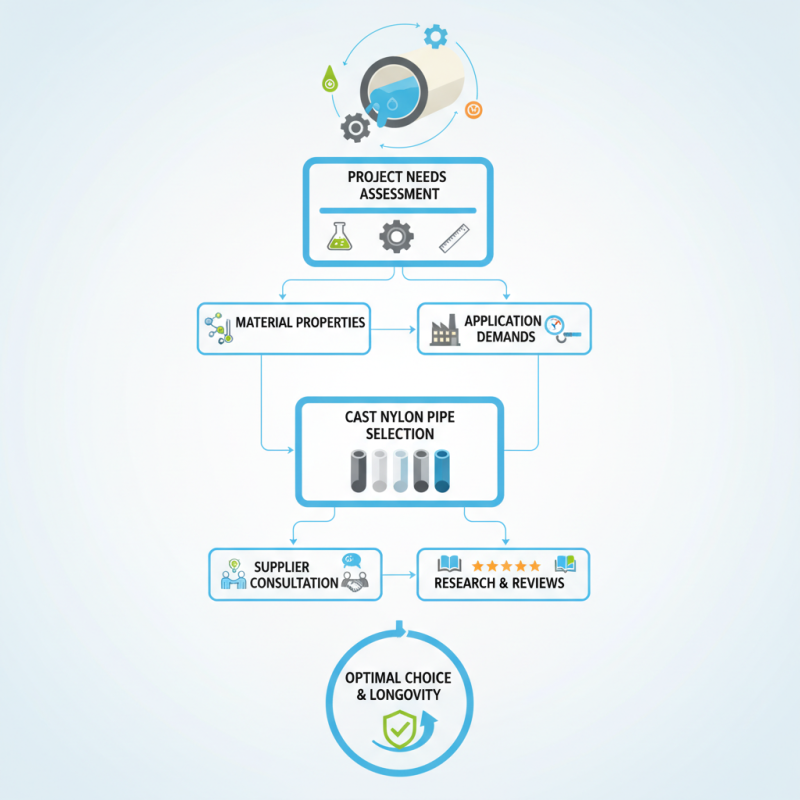
Choosing the right Cast Nylon Pipe can be a critical decision for your project. These pipes combine strength and durability. They are often used in demanding applications. Understanding the properties of Cast Nylon Pipe is essential.
Quality impacts performance and longevity. Different grades of nylon possess unique characteristics. Some may be more resistant to chemicals. Others may offer better load-bearing capacity. Evaluating your specific project needs will help guide your choice.
Engaging with suppliers who have expertise in Cast Nylon Pipe is advisable. They can provide insights into the best options available. Reading reviews and seeking recommendations adds value to your decision-making process. Every project is unique, and a tailored approach may yield the best results.
Understanding Cast Nylon Pipe and Its Applications
Cast nylon pipe is a versatile material widely used in various industries. Understanding its properties and applications is critical for effective selection. Cast nylon pipes offer high wear resistance and excellent impact strength, making them ideal for heavy-duty applications. They are often utilized in transportation, automotive, and mining sectors.
When choosing cast nylon pipes, consider the project requirements. Temperature resistance is crucial. Some applications may demand pipes that withstand extreme environments. It’s essential to examine the chemical compatibility of the nylon with substances it may contact. Always assess the load-bearing capacity to prevent failures.
Tips: Make a checklist to evaluate your needs. Include temperature limits and chemical exposure. It helps streamline your selection process. Furthermore, gather data from past projects. Real-world experience can highlight potential pitfalls. Seek insights from industry professionals before making a decision. Their expertise could minimize costly mistakes, providing a clearer understanding of what works best in specific situations.
Key Factors to Consider When Selecting Cast Nylon Pipe
When selecting cast nylon pipe, there are several key factors to keep in mind. One significant aspect is the pipe’s durability. Cast nylon is known for its excellent impact resistance. This feature makes it ideal for high-stress environments. You can expect it to withstand heavy loads and intense pressure. However, it is essential to evaluate the specific demands of your project. Not all cast nylon types are equal; some may not be suitable for extreme conditions.
Another crucial factor is the chemical resistance of the pipe. Cast nylon has varied resistance to different chemicals. You should analyze the substances it will be exposed to. This analysis can guide you in choosing the right type that won’t degrade quickly. Additionally, consider the temperature range required for your application. Some cast nylon pipes may lose their properties at elevated temperatures.
Lastly, think about the size and fitting options available. Ensuring compatibility with your existing systems is vital. Customization is often possible, but it may extend the project timeline. Being aware of these variables can save you time and resources. It’s important to reflect on these factors carefully, as overlooking them may lead to complications down the road.
Evaluating the Quality and Specifications of Cast Nylon Pipe
When evaluating the quality of cast nylon pipes, consider several key factors. The material's density plays a crucial role in determining its strength and durability. Higher density nylon typically offers better performance under pressure. Look for pipes with consistent wall thickness to ensure reliability in various applications.
The manufacturing process is another important consideration. Not all cast nylon is created equal. Some processes yield a more uniform and resilient product. Examine the specifications for tensile strength and impact resistance. These metrics will give you insight into how the pipe will hold up over time.
Physical inspections can reveal imperfections, such as flaws or inconsistencies. These issues might jeopardize the pipe's effectiveness. A thorough review of test certifications can help confirm quality. Knowledge of the intended application will guide your choice, making it crucial to match specifications accordingly. Understanding these details can elevate the outcome of your project significantly.
How to Choose the Best Cast Nylon Pipe for Your Project? - Evaluating the Quality and Specifications of Cast Nylon Pipe
| Property | Specification | Comments |
|---|---|---|
| Diameter | 1 inch - 12 inches | Available in various sizes to fit different applications. |
| Wall Thickness | 0.25 inch - 1 inch | Choose thickness based on pressure requirements. |
| Color Options | Natural, Black, and Custom Colors | Customization available for specific projects. |
| Temperature Resistance | -40°C to 120°C | Suitable for a range of industrial applications. |
| Chemical Resistance | Moderately resistant to chemicals | Not suitable for strong acids or bases. |
| Standard Compliance | ASTM D4066 | Ensures quality and performance standards. |
| Applications | Piping, fittings, and structural components | Used in various industries including manufacturing and automotive. |
Comparing Different Types and Grades of Cast Nylon Pipe
When selecting cast nylon pipe for your project, understanding the differences between types and grades is crucial. Cast nylon, known for its durability and resistance to wear, has various formulations. Different grades feature distinct properties, which can impact your project's success. For instance, some grades offer enhanced chemical resistance, while others excel in load-bearing capabilities.
Filler materials play a significant role as well. Some pipes are reinforced with glass or minerals for added strength. This can benefit projects requiring increased load capacity. However, these enhancements might introduce challenges, such as increased brittleness. It's vital to weigh the pros and cons of each type before making a decision.
Another aspect to consider is the environment where the pipe will be used. High temperatures or harsh chemicals can affect performance. Additionally, not all suppliers provide the same quality assurance. Researching suppliers and seeking expert advice can help you make an informed choice. Consider your specific project needs and requirements carefully to select the most suitable cast nylon pipe.
Best Practices for Installing Cast Nylon Pipe in Your Project
When installing cast nylon pipe, proper practices are vital for ensuring longevity and performance. The material's high tensile strength and resistance to abrasion make it an excellent choice for various applications. However, improper installation can lead to costly repairs and system failures. According to industry reports, 30% of failures in piping systems are attributed to poor installation practices.
Before installation, ensure your workspace is clean and dry. Contaminants can weaken bonds and lead to issues. It’s crucial to cut cast nylon pipes accurately. Mistakes here can disrupt fluid flow and create pressure points. Consider using a pipe cutter specifically designed for nylon. Misalignments can cause leaks, so always check alignments before securing pipes.
During installation, avoid over-tightening fittings. This can cause the pipe to warp, leading to fractures over time. It’s also essential to allow for thermal expansion. Cast nylon can expand and contract with temperature changes. Failure to accommodate this can lead to mechanical failure. Regular inspections are advisable. According to a recent survey, neglecting routine checks increases the risk of failure by 40%. Always document any installation challenges faced and lessons learned for future projects.