
How to Choose the Best Stainless Steel Wire Mesh for Your Needs?

Choosing the right stainless steel wire mesh for your project can be challenging. Many factors come into play. Understanding these factors is key to making your decision.

stainless steel wire mesh is versatile and durable. It is used in various applications, from construction to filtration. Different grades and wire diameters offer unique properties. Some meshes are better for strength, while others excel in corrosion resistance. Knowing your specific needs helps narrow down the options.

Consider the mesh's application and environment. Not all stainless steel wire meshes are created equal. Some may not withstand harsh conditions. Therefore, research is crucial. Reflecting on past choices can guide your decision-making process. Aim for practicality and effectiveness in your selection.
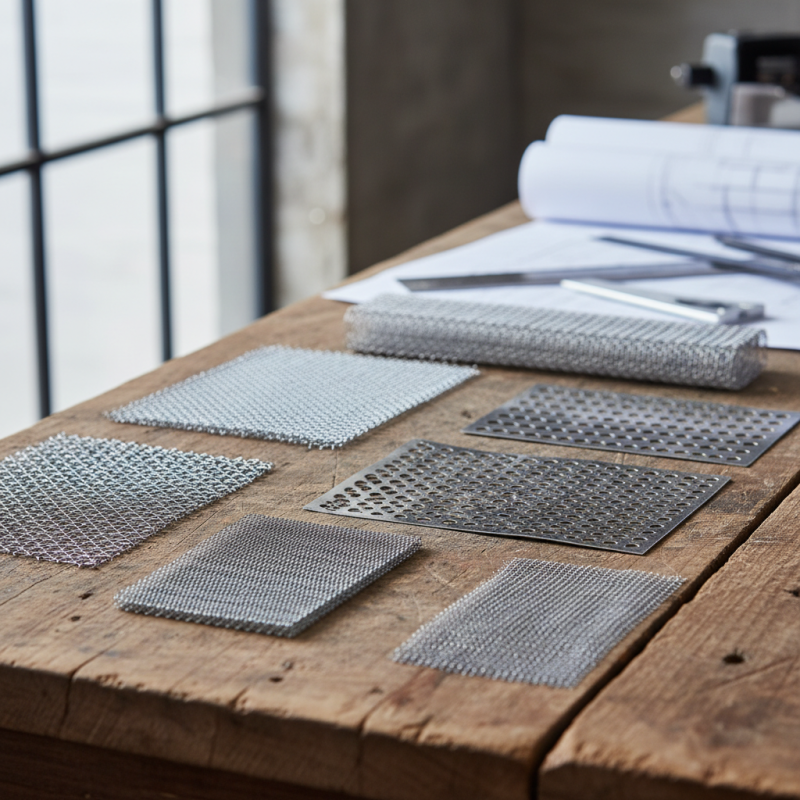
How to Choose the Best Stainless Steel Wire Mesh for Your Needs?

Understanding Different Grades of Stainless Steel for Wire Mesh

When choosing stainless steel wire mesh, understanding the different grades is crucial. The most common grades for wire mesh include 304 and 316 stainless steel. Grade 304 is widely used due to its excellent corrosion resistance and good strength. It's ideal for environments that are less harsh.

Reports indicate that around 70% of all stainless steel wire mesh products are made from this grade.

On the other hand, 316 stainless steel is preferred for more aggressive environments. This grade contains molybdenum, which enhances its resistance to chloride corrosion. It's often used in marine applications and chemical processing. Surprisingly, around 20% of users still opt for the lower grade 202, which lacks the robustness of 304 and 316. This choice can lead to premature wear and higher replacement costs.

Choosing the right grade might seem straightforward, but it requires careful consideration of the application. Many users overlook factors like temperature, chemicals, and environmental conditions. It's easy to assume one grade fits all needs. However, failing to assess the specific conditions can lead to failures. Therefore, investing time in understanding stainless steel grades is essential. A well-informed choice enhances longevity.

Key Applications of Stainless Steel Wire Mesh Across Industries

Stainless steel wire mesh plays a crucial role in various industries. From construction to food processing, its applications are diverse. In construction, it reinforces concrete and provides structural support. In the food industry, it ensures hygienic processes and helps with filtration.

Tips: When selecting stainless steel wire mesh, consider the specific requirements of your application. Different grades offer unique benefits. Look for a mesh that suits your needs, whether it's for strength, corrosion resistance, or size.

In pharmaceuticals, stainless steel mesh is essential for filtration and sieving. It maintains cleanliness and prevents contamination. In environmental sectors, it aids in water treatment, ensuring clean water supply. The versatility is impressive, but choosing the right type can be challenging.

Be cautious with choices. A wrong mesh type might result in operational issues. It’s important to assess your environment and needs carefully. Reflect on feedback from use in various conditions to make informed decisions. Select wisely to avoid costly mistakes.

Factors to Consider When Selecting Stainless Steel Wire Mesh Specifications

Choosing the right stainless steel wire mesh involves carefully assessing different specifications. The mesh's aperture size is crucial. A smaller aperture may filter finer particles, while a larger one allows better drainage. For example, a 100-mesh size is suitable for sieving. A 10-mesh size can filter larger debris but offers less precision.

Another factor is wire diameter. Thicker wires provide strength, while thinner wires are more flexible. According to industry reports, the wire diameter significantly affects the mesh's tensile strength and corrosion resistance. Selecting the right material grade, such as 304 or 316 stainless steel, also matters. Grade 316 is ideal for harsh environments due to its superior corrosion resistance.

We must consider the application of the mesh. Not all specifications work for every need. Some might prefer a smooth finish, while others may require a welded mesh for extra stability. Testing different combinations may reveal surprising results. Evaluating these factors thoroughly can lead to better decision-making.

How to Choose the Best Stainless Steel Wire Mesh for Your Needs?

Specification Description Use Case Wire Diameter (mm) Mesh Size (inches) Corrosion Resistance
T304 General-purpose stainless steel mesh with good corrosion resistance Food processing, filtration 0.45 10 x 10 Moderate
T316 High resistance to pitting and crevice corrosion, especially in saltwater Marine environments, chemical industries 0.5 8 x 8 High
Nickel Alloy Excellent resistance to high temperatures and oxidizing conditions Aerospace, industrial applications 0.3 4 x 4 Very High
Woven Wire Variety of mesh patterns for different applications Architectural purposes, screens 0.25 20 x 20 Moderate
Expanded Metal Metal sheet with openings for ventilation and filtering Walkways, security screens 1.0 N/A Good

Comparing Woven vs. Welded Stainless Steel Wire Mesh Options

When selecting stainless steel wire mesh, understanding the difference between woven and welded options is crucial. Woven wire mesh consists of interlaced wires, creating a flexible and adaptable structure. This type allows for precise openings and can be customized for various applications. It's often chosen for filtration and decorative purposes. However, woven designs may not always provide the strongest structural integrity.

On the other hand, welded wire mesh is made by welding the intersections of the wire strands. This creates a more robust and sturdy mesh, ideal for heavy-duty applications. It's commonly used in construction, fencing, and animal enclosures. Yet, this strength comes at a cost—welded mesh can be less versatile than its woven counterpart. One must weigh the benefits of durability against the potential need for customization.

Choosing between these options may not always be straightforward. It’s important to consider specific needs and potential trade-offs. Evaluating the application thoroughly can lead to better decision-making. You might find yourself questioning the long-term benefits of each option. This reflection could influence your choice, whether you lean towards flexibility or strength.

Evaluating Wire Diameter and Aperture for Optimal Performance

When selecting stainless steel wire mesh, wire diameter and aperture are critical factors. The wire diameter directly affects strength and durability. A thicker wire typically provides better support for heavy loads, while a thinner wire may be suitable for lighter applications. Industry reports indicate that wire mesh with a diameter of 0.035 inches offers a balance between flexibility and strength for various uses.

Aperture size is equally important. It determines the size of openings between wires. A smaller aperture can filter finer particles, while a larger one allows for better airflow. According to studies, an aperture size of 1/16 of an inch is often ideal for filtration in liquid applications. However, selecting the right size requires assessing the specific needs of your project.

Tips: Consider your project's requirements before making a decision. Don’t just focus on strength; think about safety. Choosing the wrong material or size could lead to structural failures. Always test a sample if possible. Evaluate how the mesh will perform under different conditions. Reflecting on these points can save you time and resources in the long run.

How to Choose the Best Stainless Steel Wire Mesh for Your Needs?