
How to Choose EVA Interlocking Mats for Taekwondo Training?
Selecting the right EVA interlocking mat for taekwondo is crucial for effective training. These mats provide essential cushioning and support during practice, helping to prevent injuries. With various options available, choosing the right one can be overwhelming. You want a mat that not only protects but also enhances your training environment.
An EVA interlocking mat for taekwondo should meet specific criteria. For example, the mat should have a non-slip surface. This feature ensures safety during intense movements. Additionally, the thickness of the mat plays a vital role. It should provide adequate shock absorption while remaining firm for stability.
While price is a consideration, quality should not be compromised. Cheaper mats might not offer the same durability or performance. However, even the best products might have flaws. It’s essential to read reviews and seek advice from experienced practitioners. Understanding your unique needs will lead to a more satisfying training experience.
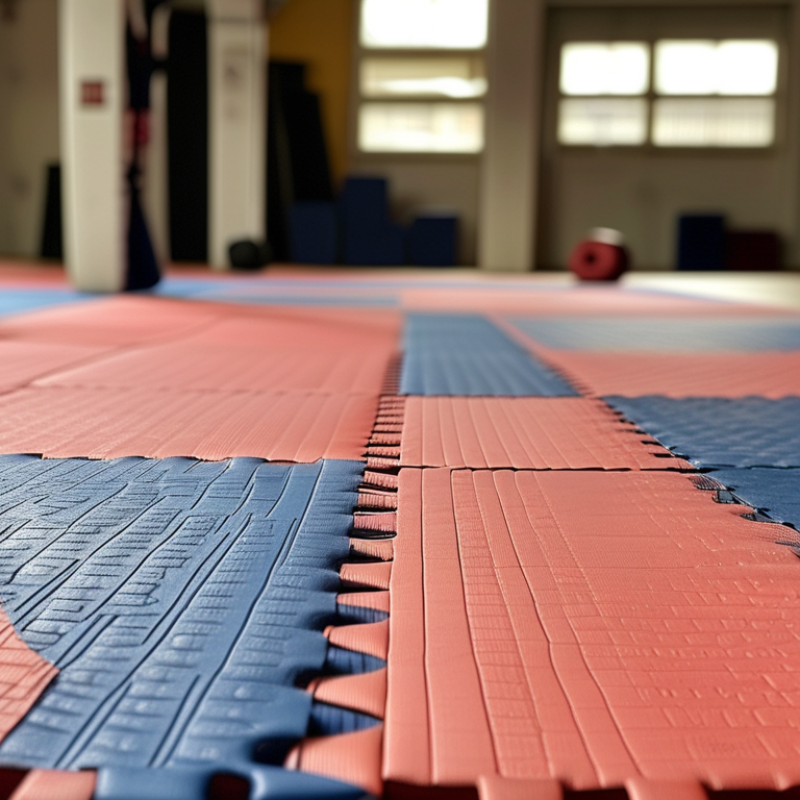
Understanding EVA Interlocking Mats and Their Benefits for Taekwondo
EVA interlocking mats have become a staple in taekwondo training environments. These mats provide excellent cushioning, which is crucial for preventing injuries during high-impact drills. According to a report by the National Institute of Health, proper flooring can reduce the risk of training-related injuries by up to 40%. The cushioned surface of EVA mats absorbs shocks, promoting safer landings and providing a stable base for executing kicks and punches.
Beyond injury prevention, EVA mats enhance performance. Their textured surface offers improved grip, allowing practitioners to maintain balance during intense movements. A study from the International Sports Engineering Association noted that surfaces with higher friction coefficients contribute to better athlete stability. This factor is particularly important in taekwondo, where quick footwork and agility are essential. However, it's vital to choose mats that provide this balance without being too sticky, as that can hinder movement.
Choosing the right EVA mat isn't just about functionality. Aesthetic appeal can also play a role in motivation during training. Many gyms opt for bright colors or designs to create an energetic atmosphere. Yet, potential buyers should reflect on maintenance challenges. Some mats may discolor or wear over time, requiring careful consideration of durability and upkeep. Evaluating these factors will ensure that the chosen mats support both safety and motivation effectively.
Key Features to Consider When Selecting EVA Mats for Training
When selecting EVA interlocking mats for Taekwondo training, several key features can significantly impact performance and safety. The density of the mats is crucial; higher density materials provide better shock absorption. According to the National Institute of Health, proper shock absorption can reduce injury risks by up to 30%. Evaluating the thickness of the mats is important as well. Mats with a thickness of at least 1.5 inches are recommended for effective cushioning during high-impact training.
The surface texture contributes to grip and stability. Mats with a textured finish can enhance traction, which is essential for executing quick movements and preventing slips. Industry studies show that surface grip can improve performance metrics by over 15%. Additionally, consider the ease of cleaning and maintenance. Mats that can be easily wiped down help to maintain hygiene standards, essential in a training environment. Users should reflect on their training space. Are the mats suitable for the available area? Too small mats can lead to uneven training surfaces and pose risks.
Lastly, color options may seem trivial, but bright colors can enhance focus during training. Visual appeal can subconsciously motivate practitioners. Choosing the right size and style requires thoughtful consideration. Evaluate the training goals as well. Are the mats aligned with the intended training intensity? This reflection ensures the chosen mats effectively serve the needs of both instructors and students.
Assessing Thickness and Density for Optimal Performance in Taekwondo
When choosing EVA interlocking mats for taekwondo training, the thickness and density are crucial. A mat that is too thin offers inadequate support. This can lead to injuries during intense training sessions. Meanwhile, overly thick mats may hinder balance and footwork. Beginners might need a different thickness compared to advanced practitioners.
Density plays a vital role in performance. A higher density provides better shock absorbency. This is essential for high-impact activities like taekwondo. On the other hand, low-density mats may compress quickly, losing their protective features. Consider training intensity and frequency when assessing density requirements.
It’s important to test the mats before purchase. Walk, kick, and perform techniques on the sample mats. This can help you feel the difference in support and comfort. Personal experiences can vary. A mat liked by one person may not suit another’s needs. Maintain an open mind and be willing to try different options.
Evaluating Surface Texture and Grip for Safety and Stability
When selecting EVA interlocking mats for taekwondo training, evaluating the surface texture is vital. The texture impacts grip, stability, and safety during practice. Studies indicate that a surface with appropriate grip can reduce slip rates by up to 50%, significantly lowering the risk of injuries. Mats with a slightly textured surface provide the right balance between traction and movement, allowing practitioners to perform kicks and spins safely.
In taekwondo, stability is crucial. A stable mat helps absorb impacts while providing necessary support. Research shows that mats with a density of at least 1.5 pounds per cubic foot enhance stability without compromising comfort. Additionally, mat thickness matters; options between 0.5 and 1 inch are recommended for cushioning impact. However, thicker mats can cause uneven surfaces if not installed correctly, which can lead to missteps during intense training sessions.
It's essential to consider the longevity of the mats as well. EVA mats can wear out quickly if the surface is too soft, leading to reduced grip over time. This deterioration affects performance and safety, prompting a need for regular inspections. An ideal choice balances durability with functionality. Attention to detail in textures and material quality can make a significant difference in the overall training experience.
Comparing Cost and Quality of Different EVA Interlocking Mat Options
When selecting EVA interlocking mats for taekwondo training, both cost and quality matter significantly. High-quality mats provide better cushioning and durability. They absorb impact from kicks and falls, reducing the risk of injury. Cheaper mats may look appealing at first, but they often wear down faster. They can also become uneven over time, increasing the chance of slips. Assess the materials used in the mats to ensure they are suitable for serious training.
In considering different options, weigh how often you plan to use the mats. If you're training daily, investing in better quality makes sense. It’s essential to reflect on your training environment as well. Some mats may hold up well outdoors, while others are suited for indoor use only. A balance between cost and quality is crucial. Ultimately, the right choice will enhance your training experience while ensuring safety. Consider getting samples before making a bulk purchase. It’s a practical step that can reveal the mats’ actual performance.