
How to Choose the Best Hidden Cabinet Hinge for Your Needs?

When selecting a Hidden Cabinet Hinge, the choices can seem overwhelming. These hinges play a key role in the functionality and aesthetics of cabinets. A perfect fit can elevate your furniture design. However, choosing the right one requires careful consideration of your specific needs.

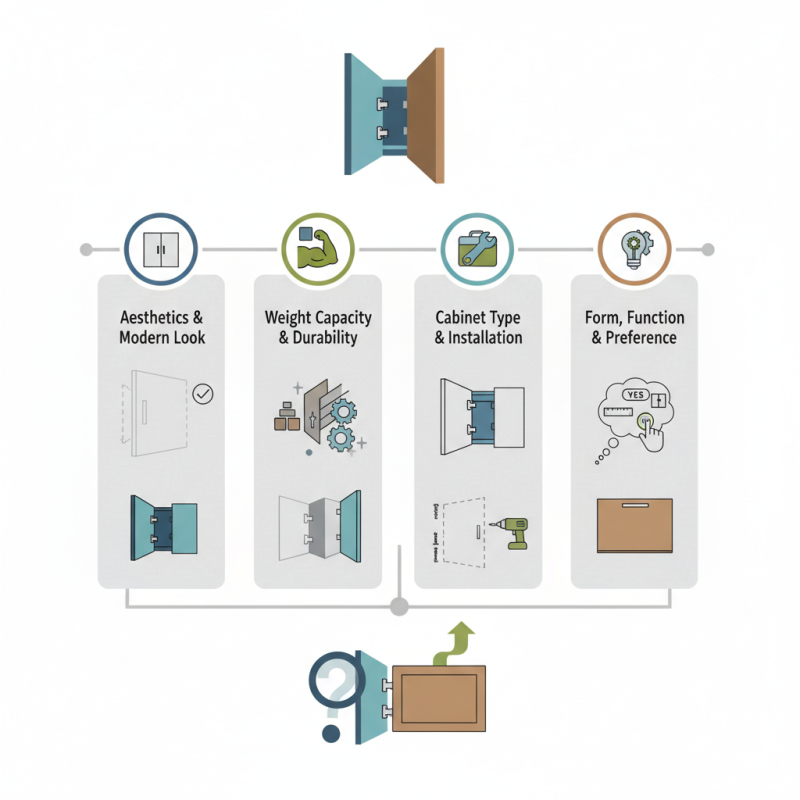
Hidden cabinet hinges offer a sleek appearance and are often unseen when the cabinet is closed. This provides a clean, modern look. However, it's essential to think about factors like weight capacity and durability. Materials used in manufacturing can vary significantly. Some hinges may not hold up over time, leading to unsightly sagging or damage.

Take time to assess your existing cabinets. Do they require unique hinges? Consider the installation process, as some hinges are more complicated than others. While many options exist, not all will suit your project. A wrong choice can lead to frustration and more expenses. Reflect on your preferences and ensure that the hinges enhance both form and function in your cabinets.
How to Choose the Best Hidden Cabinet Hinge for Your Needs?

Understanding Different Types of Hidden Cabinet Hinges Available Today

When selecting hidden cabinet hinges, it's vital to understand the various types available today. Traditional concealed hinges allow for a clean, modern look, while soft-close variants ensure quiet operation. According to industry reports, nearly 30% of homeowners now prefer soft-close hinges for their seamless function. This choice not only enhances user experience but also prolongs cabinetry lifespan.

Another popular option is the European hinge. This design offers adjustable mounting plates, allowing easier installation and alignment. Recent trends show that about 25% of kitchen remodels incorporate these hinges for their versatility. However, not all hidden hinges suit every cabinet style. Some may find them challenging to install. It’s crucial to weigh the benefits against potential installation issues. Consider your cabinet’s weight and size carefully, as heavier doors may require more robust hinge solutions.

A less common choice is the bi-fold hinge. This option is ideal for cabinet doors that fold back against themselves. While useful, they can be tricky to align and may not fit every layout perfectly. Some homeowners report challenges with this type. Their experience highlights the importance of considering specific use cases when selecting hinges. Each type comes with its unique advantages and drawbacks, making informed choices essential.

How to Choose the Best Hidden Cabinet Hinge for Your Needs?

Hinge Type Material Max Weight Capacity Adjustability Ideal For
Concealed Hinges Steel 50 lbs Yes Cabinets, Doors
European Hinges Aluminum 30 lbs Yes Modern Cabinets
Piano Hinges Stainless Steel 80 lbs Limited Heavy Doors
Butterfly Hinges Brass 40 lbs No Decorative Use
Overlay Hinges Plastic 20 lbs Yes Lightweight Cabinets

Evaluating Dimensions and Weight Capacity for Optimal Performance

Choosing the right hidden cabinet hinge involves understanding dimensions and weight capacity. These factors greatly impact performance and usability. For instance, hinges should match the cabinet's weight to prevent sagging. Research indicates that a standard cabinet hinge supports around 50 to 75 pounds, depending on design. However, these numbers can vary. Always check the manufacturer’s specifications.

Measuring dimensions is crucial. A hinge’s width and height affect how it fits within the cabinet. Many experts suggest a hinge width of at least 1.5 inches for sturdy cabinets. But dimensions should provide room for movement and avoid friction during use. If a hinge is too tight, it may lead to increased wear.

Installing hinges that can handle heavier loads is another consideration. Data shows that most home cabinets exceed 60 pounds when loaded. Yet, many people overlook this and choose inadequate hinges. This decision can lead to costly repairs. Ensuring compatibility is vital for longevity and functionality. Check daily wear and tear. If hinges are sticking or squeaking, it may be time for a reassessment.

Hidden Cabinet Hinge Weight Capacity and Dimensions

Material Considerations: Sustainability and Durability of Hinges

When selecting hidden cabinet hinges, material matters significantly. Sustainable choices contribute to environmental health, which increasingly influences consumer decisions. Metal hinges often offer durability and resistance to wear. However, not all metals are equal. Some may corrode or rust over time. Consider the environment where the hinge will be used. Moisture-rich areas require more resistant materials.

Wooden hinges can be an aesthetically pleasing alternative. They provide warmth and charm but may lack long-term durability. They need regular maintenance, which can be an inconvenience. If you choose wood, ensure it is treated against moisture and pests.

Tip: Always check for certifications regarding sustainability in materials. This guarantees you’re making an eco-friendly choice.

Hinges come in different finishes too. The finish affects both appearance and longevity. A good finish can enhance protection against scratches and tarnishing. Consider how well the finish will hold up over time. A beautiful hinge might not stay that way without proper quality.

Installation Methods: DIY vs. Professional Assistance for Best Results

Choosing the right installation method for hidden cabinet hinges can impact both functionality and aesthetics. DIY installation has gained popularity, with about 45% of homeowners opting for it. This approach is ideal for those comfortable with tools and basic cabinet assembly. Many instructional videos and guides are available online. However, the learning curve can be steep, especially for intricate designs. Mistakes can lead to alignment issues or even damage to the cabinetry.

On the other hand, professional assistance is often recommended for complex projects. Approximately 55% of installations are done by experts. This ensures the job is completed correctly and efficiently. Professionals can tackle any unforeseen challenges, which may arise during the installation process. They bring experience and precision, minimizing the risk of underperformance. Homeowners might feel the cost is high, but investing in professional help often pays off.

Having a clear understanding of your skills and the project's demands is vital. Some individuals may find themselves overwhelmed during a DIY installation, struggling with the depth of required knowledge. It's important to evaluate your comfort level and the time you can invest. Balancing budget constraints with quality is key to a successful installation.

Cost Analysis: Balancing Quality and Budget for Hidden Hinges

When selecting hidden cabinet hinges, cost can be a decisive factor. A recent analysis reveals that high-quality hinges range from $3 to $15 per unit. Choosing the cheapest option may save money initially, but can lead to higher replacement costs over time. The industry report showed that around 30% of poorly made hinges fail within a year. This highlights the importance of balancing quality with affordability.

Many consumers prioritize budget over durability. However, investing in better hinges typically ensures greater longevity. For example, quality hinges often come with warranties extending up to ten years. Some reports illustrate that spending just 20% more can increase the lifespan by two to three times. But, this doesn't mean all premium models offer the best value. It's essential to assess individual needs carefully.

Hidden hinges must also fit well within your cabinetry. Poor fit can lead to misalignment and functionality issues. Aesthetic considerations might influence the choice, too. The perfect hinge complements the design while operating smoothly. Many users overlook these critical factors, leading to regrets. Evaluating both price and performance is vital for long-term satisfaction. Consider all options before making a decision.