
Top Tips for Choosing the Best Neuro Surgical Drill?
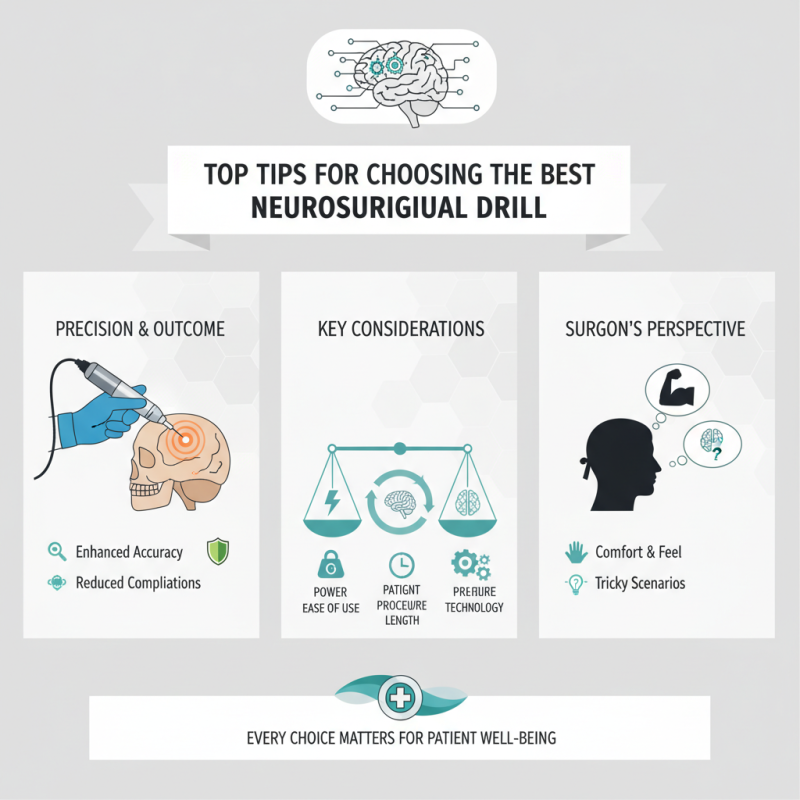
Choosing the right neuro surgical drill is essential for effective surgeries. A well-selected drill can enhance precision and reduce complications. It is crucial to understand the specific needs of your practice.
In the realm of neurosurgery, various drills serve different purposes. Surgeons often face challenges in making the best choice. Factors like power, weight, and ease of use all come into play. Some drills may feel heavy, leading to fatigue during lengthy procedures. Others might lack the desired torque, affecting performance.
Understanding the balance between features and comfort is vital. A neuro surgical drill should not be just about technology. It must feel right in the surgeon's hands. Even experienced surgeons sometimes wish for better models in tricky scenarios. Every choice matters when it comes to patient outcomes.
Key Features to Consider in a Neuro Surgical Drill
When selecting a neuro surgical drill, focus on key features that enhance precision and safety. Ergonomics is crucial. A well-designed grip reduces hand fatigue during prolonged procedures. Look for drills that allow comfortable maneuverability. The weight should also feel balanced in hand.
Power and speed settings are essential to consider. Some procedures require different speeds. A drill that offers adjustable settings will provide flexibility. Additionally, noise levels matter. A quieter drill can enhance concentration in the operating room.
Remember to evaluate the drill’s durability. Surgical environments can be challenging. Materials should withstand sterilization processes without degradation. Lastly, consider user reviews. They can reveal potential shortcomings or advantages you might overlook.
Understanding Different Types of Neuro Surgical Drills
Choosing a neuro surgical drill involves understanding the different types available. These drills vary in design, functionality, and precision. Some drills are pneumatic, relying on air pressure for operation. Others are electric, offering consistent speed and torque. Each type has unique benefits depending on the surgical procedure.
Weight and balance are crucial. A lightweight drill reduces fatigue during lengthy surgeries. However, some may find lighter options lacking in performance. Balancing these factors is essential for optimal usage. Functionality can also differ greatly. Some drills allow for attachments, making them versatile. Others are streamlined for specific tasks, which can limit usability.
Surgeons often consider the noise level. Quieter drills can create a more focused environment. Yet, finding a drill that balances power with noise isn't always easy. Additionally, comfort during use can influence the decision. Ergonomic handles are key, but every surgeon’s preference can vary. Each drill type brings its own set of challenges and advantages, requiring thoughtful evaluation before selection.
Evaluating the Ergonomics of Neuro Surgical Drills
When evaluating the ergonomics of neurosurgical drills, comfort is paramount. Surgeons spend long hours operating, often in awkward positions. According to a report by the American College of Surgeons, up to 80% of neurosurgeons experience discomfort due to poor tool design. An ergonomic drill can help reduce strain on hands, wrists, and arms. The weight, grip, and balance of the drill play critical roles in user comfort.
Surgeons should look for adjustable and lightweight options. A study found that a drill weighing under 1.5 kg significantly decreased fatigue during prolonged procedures. Moreover, drills with contoured grips reduce the effort needed to hold the tool steady. The head of the drill should allow for precise movements, minimizing force during operation.
However, the ideal ergonomic design is still elusive. Many drills fail to cater to all hand sizes and grip styles. Personal preferences vary widely among surgeons, which complicates a universal solution. There is room for improvement in designing drills that fit diverse anatomical needs. Creating a patient-centered approach in design is crucial. Advances in materials and engineering may lead to better options in the future.
Assessing Durability and Maintenance of Surgical Drills
When considering a neurosurgical drill, durability is a key factor. A study highlighted that nearly 20% of surgical drills fail to meet expected operational lifespans. This can lead to unforeseen costs and delays in surgical procedures. Maintenance is crucial to extending the life of these tools. Regular inspections and timely repairs can mitigate risks.
Research indicates that 70% of surgical teams emphasize proper maintenance routines. This includes cleaning drills post-surgery and adhering to manufacturer guidelines. However, many teams overlook these protocols. They may assume drills are robust enough to handle the wear and tear.
The impact of neglect can be significant. A poorly maintained drill increases the chance of complications during surgeries. Such issues can compromise patient safety and increase recovery times. Regular training for surgical teams on maintenance best practices can help, ensuring drills are always ready for use.
Comparative Analysis of Leading Neuro Surgical Drill Brands
When selecting a neurosurgical drill, it's crucial to analyze the features of leading brands. Different drills offer varying levels of precision, torque, and speed. One brand may excel in versatility, while another focuses on lightweight design. Consider how these attributes impact your surgical practice.
Examining user feedback reveals common concerns. Some drills may cause overheating during extended use. Others may lack adequate battery life, complicating long procedures. Assessing these shortcomings helps in making an informed choice. Always balance high-tech features with reliability.
Price is another significant factor. Higher cost does not always mean better quality. Some affordable options receive excellent reviews. Look for drills that provide value without compromising essential features. While it’s tempting to choose based solely on reputation, each surgical environment is unique.