How to Choose the Right Electric Winch?
Choosing the right Electric Winch starts with the job, not the biggest number on the product label. Will it pull a vehicle onto a trailer, move equipment across a workshop, or help recover a loaded truck? Each task places different demands on the winch. A muddy slope, a heavy load, and a long cable pull can change what “enough power” means.
The sections ahead examine rated line pull, load weight, duty cycle, power supply, cable type, mounting, and controls. They also explain why a safe setup needs suitable anchor points, compatible hardware, and room for the cable to spool evenly. Small details matter. A poorly aligned cable can bunch against the drum. A battery may struggle during repeated pulls. Choosing extra capacity without checking the mounting structure is not a complete solution.
A credible named quotation should come from a verifiable source. No source articles or expert statement were supplied here, so attributing invented words to a real winch specialist would be misleading. For publication, verify a quotation directly with a qualified winch engineer or recovery instructor, then assess the model against its manual and intended use. Real conditions can be messier than a specification sheet suggests. That deserves a second look.
Identify the Winch’s Intended Tasks and Operating Conditions
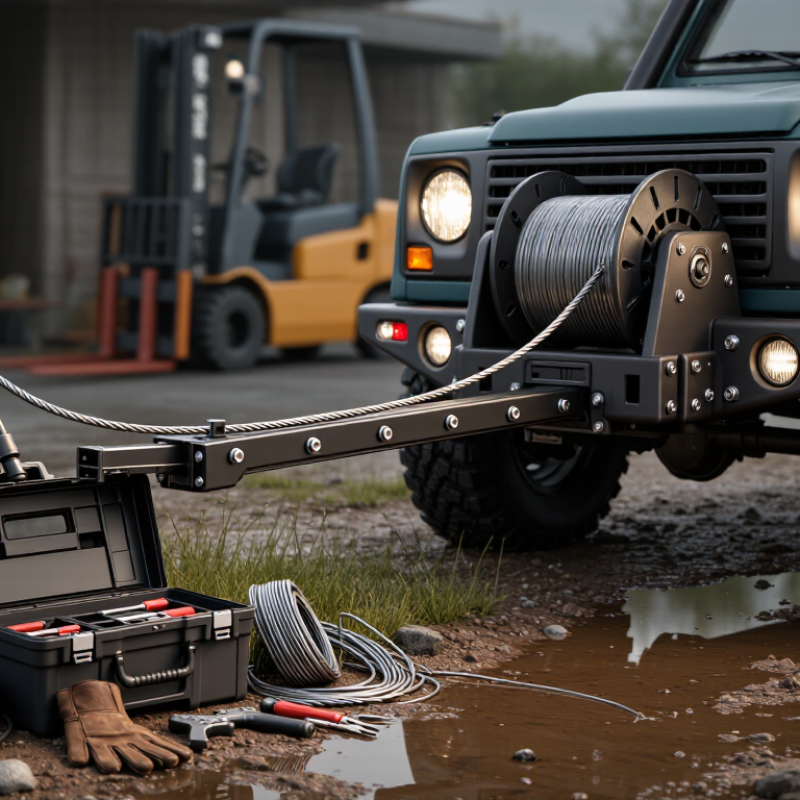
Before comparing winch capacities, define the work it must perform. Will it pull a boat onto a trailer, move equipment across a workshop, or recover a vehicle from soft ground? Estimate the load, including rolling resistance, slope, and obstacles. A winch’s rated line pull may vary by rope layer, so check the manufacturer’s specifications for the exact model. Do not size the winch from the object’s weight alone. Small details matter.
Then describe the operating conditions. Note how often the winch will run, how long each pull may last, and whether power is available nearby. Mud, water, dust, and salt can affect components, while tight spaces may limit rope routing and mounting options. A winch used for repeated pulls may need a different duty rating than one used occasionally. It is tempting to assume the job will be straightforward; real sites rarely stay that tidy. Check the mounting structure, power supply, and compatible accessories before choosing. If the load or terrain is uncertain, reassess the setup rather than relying on a guessed capacity.
Calculate the Required Pulling Capacity and Safety Margin
Choosing an electric winch starts with the load, not the vehicle’s weight alone. Estimate the force needed to move the load, including slope, rolling resistance, and obstacles. For example, a 1,800 kg load on a 10% slope, with an estimated rolling-resistance factor of 0.03, needs about 2,300 N (520 lbf) before extra losses. The estimate assumes steady movement. Mud, soft ground, or a stuck wheel can change it sharply.
For a preliminary check, apply a 1.5 safety allowance: 520 lbf becomes roughly 780 lbf. This is an example, not a universal standard; the right margin depends on the terrain, load control, and consequences of failure. Check the winch’s rated line pull at the actual drum layer, since capacity can fall as rope builds up. Include pulley losses if using a snatch block. Small details matter.
ASME B30.7-2021 addresses winch design, inspection, and operation, while OSHA 29 CFR 1926.251 requires rigging equipment inspection before use in applicable construction work. Neither replaces a site-specific load calculation. I would recheck the numbers if the load may roll, snag, or enter water; those assumptions are easy to miss.
Choose a Suitable Power Source, Cable, and Mounting Style
Choose the power source for the work cycle, not just the vehicle voltage. Electric winches draw substantial current during pulls, so check the vehicle’s charging capacity, wiring, and recommended fuse. Hydraulic units suit repeated, sustained work when the host system provides the required pressure and flow. They also need compatible hoses and fittings. Small details matter. A tidy specification sheet can still hide a poor match.
Check cable material, diameter, length, and drum compatibility. Steel resists some abrasion but is heavy and can develop sharp kinks. Synthetic rope is lighter, but needs protection from abrasion, heat, and sunlight. Never judge capacity by the headline figure alone. Line pull changes as cable builds up on the drum; SAE J706, Rating of Winches, provides recognized performance and test requirements for comparing winch ratings. Read the stated test conditions. I still find this easy to overlook.
Mounting style must transfer pulling force into a suitable structural point. A receiver mount offers portability, while a fixed frame-mounted setup can provide a more permanent installation. Check bolt pattern, frame strength, fairlead alignment, and clearance for the cable to feed straight. An off-angle pull can damage rope or hardware. The mounting plate may fit neatly, yet the frame connection still deserves careful inspection.
Compare Control Features, Braking Systems, and Weather Protection
Choosing the right electric winch means comparing its controls, braking system, and weather protection—not just its pulling capacity. Match the rated capacity to the real load, considering friction, slope, and pull angle. A wired remote is easy to inspect and keeps operation direct. Wireless control can provide useful distance, but check its stated range and battery condition. Keep it practical.
Braking deserves close attention. Dynamic braking slows a moving load, while a mechanical holding brake is designed to resist movement when stopped. Check the winch specifications to confirm how it holds a load, and inspect the brake regularly. For outdoor use, review the enclosure’s weather-protection rating and protect connectors from water and grit. A sealed housing is not automatically suitable for submersion. Small details matter.
Tips: Test the controls and brake without a load before use. After wet or dusty work, check the connectors and cable for damage. I would not assume a winch is ready for every season; conditions vary, and the manual’s limits are worth checking.
Check Compatibility, Installation Needs, and Maintenance Requirements
Choosing an electric winch starts with matching its rated line pull to the job, not just the vehicle or equipment size. Consider the heaviest expected load, ground slope, rolling resistance, and whether the load might be stuck. A winch’s published rating can change with drum layers and working conditions. Treat it as a specification, not a guarantee. Check the manual’s guidance and leave a suitable safety margin.
Compatibility goes beyond pulling capacity. Confirm the winch voltage matches the power system, and check that the battery and wiring can support its current draw. Measure the mounting surface and compare its bolt pattern with the winch. Allow room for the fairlead, rope path, and access to controls. Small details matter. A cramped installation can make routine checks awkward. Use a properly rated mounting plate, and have a qualified installer assess uncertain structural changes rather than relying on improvised brackets.
Think about maintenance before buying. Look for accessible terminals, clear inspection points, and service instructions you can follow. Regularly check the rope for fraying, kinks, or crushed sections, and inspect the fairlead and mounting bolts for wear or looseness. Keep electrical connections clean and protected from moisture. Follow the manufacturer’s schedule for brake and gearbox checks. It is tempting to postpone these tasks when the winch seems fine. That is easy to regret when you need it.