How to Choose the Right Mechanical Zinc French Washer
A washer is a small part with a demanding job. Under a bolt head, it spreads load, protects the mating surface, and helps maintain a dependable joint. Yet “French washer” is not used consistently across every supplier catalog. Dimensions and naming can vary, so a product title alone is not enough.
The choice of a Mechanical zinc French washer should start with the joint, not the finish. Check the washer’s inner diameter, outside diameter, thickness, material, and intended load. Then confirm what “zinc” means in the specification: coating method, coating thickness, and any required corrosion test. ISO 4042:2022 covers electroplated coating systems for fasteners, making it a useful reference when zinc-plated fastener components are specified. It does not replace checking the washer supplier’s own documentation.
Corrosion deserves attention, even indoors. NACE International’s IMPACT study estimated the global cost of corrosion at US$2.5 trillion annually, or about 3.4% of global GDP. That broad estimate does not predict how long one washer will last, but it shows why coating choice and maintenance matter. A zinc finish can help protect steel, though exposure, handling damage, and contact with other materials affect performance. Small details matter.
This guide explains how to compare dimensions, coating claims, and application needs before ordering. It also points out where product descriptions leave room for doubt. Sometimes, a drawing is clearer than a catalog name.
Define Mechanical Zinc French Washers and Their Function
A mechanical zinc French washer is a flat metal disc with a central hole, fitted between a fastener and the surface it clamps. “French” may describe a particular washer style or dimension set, so check the drawing or supplier specification rather than relying on the name alone. The zinc finish helps slow corrosion on the steel washer. It is not the same as stainless steel, and scratched or worn areas may rust sooner.
In use, the washer spreads a screw or nut’s clamping force over a wider area. This can reduce dents in softer materials and help prevent the fastener head from pulling into a panel. Picture a washer seated flat beneath a bolt on a painted bracket; an undersized or tilted washer may still mark the finish. Fit matters. Check the inner diameter against the fastener and the outer diameter against the available surface. The washer does not lock a fastener or create a reliable seal by itself. That distinction is easy to overlook. In damp, chemical, or outdoor conditions, verify that the zinc coating suits the exposure, and inspect the assembly after tightening.
How to Choose the Right Mechanical Zinc French Washer - Define Mechanical Zinc French Washers and Their Function
| Selection dimension | What it means | How to choose |
|---|---|---|
| Washer type | “French washer” is a trade term that can refer to a toothed or shakeproof washer; terminology may vary by supplier and region. | Confirm the washer’s drawing, tooth layout, and applicable standard before ordering. Do not identify a washer by the name alone. |
| Primary function | A toothed lock washer is intended to resist loosening by creating localized engagement with the fastener and bearing surface. | Match the washer style to the joint and follow the fastener or equipment designer’s guidance. A lock washer is not a substitute for correct tightening or joint design. |
| Fastener size | The nominal washer size is selected to fit the bolt or screw diameter; for example, an M6 washer is intended for an M6 fastener. | Check the washer’s specified inside diameter and the fastener’s nominal size. Dimensions can differ between washer types and standards. |
| Outside diameter and thickness | These dimensions affect bearing area, clearance, and the space required around the joint. | Use the dimensions on the drawing or product specification. Ensure the washer fits the available space and bears on a suitable surface. |
| Base material | Zinc describes a coating, not the washer’s base metal. Mechanical washers are commonly made from steel, but material and hardness depend on the specification. | Verify the base material and mechanical properties required for the application, especially when the joint carries significant load or vibration. |
| Zinc coating | Zinc coating provides a measure of corrosion protection for steel. Protection varies with coating process, thickness, and environment. | Specify the required coating and corrosion performance. For outdoor, marine, or chemically aggressive conditions, confirm suitability rather than assuming zinc plating is sufficient. |
| Mating surfaces | Toothed washers may mark or damage softer finishes and surfaces; their engagement depends partly on the materials they contact. | Check whether the washer can contact the component safely. Consider surface finish, material hardness, and whether a non-marking fastening method is required. |
| Installation and reuse | Washer performance depends on correct installation; teeth or coating can be damaged during use or removal. | Install according to the assembly specification and inspect before reuse. Replace a washer that is distorted, damaged, or has compromised teeth or coating. |
Note: “French washer” is not a universally unambiguous technical designation. Confirm the exact washer style, dimensions, material, and coating from the drawing or applicable product specification.
Identify Washer Dimensions, Material, and Zinc Coating
Choosing the right mechanical zinc French washer starts with the drawing, not the finish. Check its inside diameter, outside diameter, and thickness against the bolt and joint. The hole should clear the shank without excessive movement, while the bearing face should spread load across the mating surface. Fit matters. A washer that looks close on a bench can still interfere with a recessed seat or leave too little edge support. ISO 7089 provides dimensions for normal-series plain washers, but a French washer designation may refer to a different profile. Confirm the actual dimensions with the supplier’s drawing.
Material and coating need equal attention. Match the washer material to the joint’s load, temperature, and exposure; zinc plating improves corrosion resistance but is not a substitute for suitable material selection. ISO 4042:2022 describes electroplated coating systems for fasteners, including zinc designations such as Fe/Zn5 and Fe/Zn8. Ask for the specified coating class and verify it on the product documentation. Coating adds thickness, which can affect a close-fitting assembly. For high-strength fastener assemblies, consult the supplier about hydrogen-embrittlement controls. One detail is easy to overlook: a bright, even finish does not prove the coating thickness is correct. Check the stated specification, and compare a sample washer with the drawing before ordering in volume.
Match the Washer to the Fastener and Application
A mechanical zinc French washer should be matched to the fastener before you consider appearance. Check the washer’s inside diameter against the bolt or screw shank. It should slide on without binding, but excessive clearance can let it shift during assembly. The washer’s outside diameter matters too. A wider face spreads load over more material, which can help protect softer panels or slotted holes. A snug fit is not the whole story.
Consider the joint and its working conditions. On a painted bracket, a broad washer may reduce pressure marks; on a compact assembly, its diameter may interfere with nearby parts. Match thickness to the space available and the clamping load. A thin washer can dish under pressure, while a thicker one may change how much thread engages. Easy to miss. Check that enough threads remain engaged after assembly, especially when a washer is added to an existing fastener.
Zinc plating can help resist corrosion in dry, indoor settings, but it is not a guarantee against rust outdoors or around moisture. Inspect the washer and mating surfaces for burrs, uneven coating, or grit that could affect seating. Then tighten the joint to the fastener or equipment specification, rather than guessing by feel. I have seen small hardware details get overlooked; washer fit deserves a final check before the assembly goes into service.
How to Choose the Right Mechanical Zinc French Washer — Match the Washer to the Fastener and Application
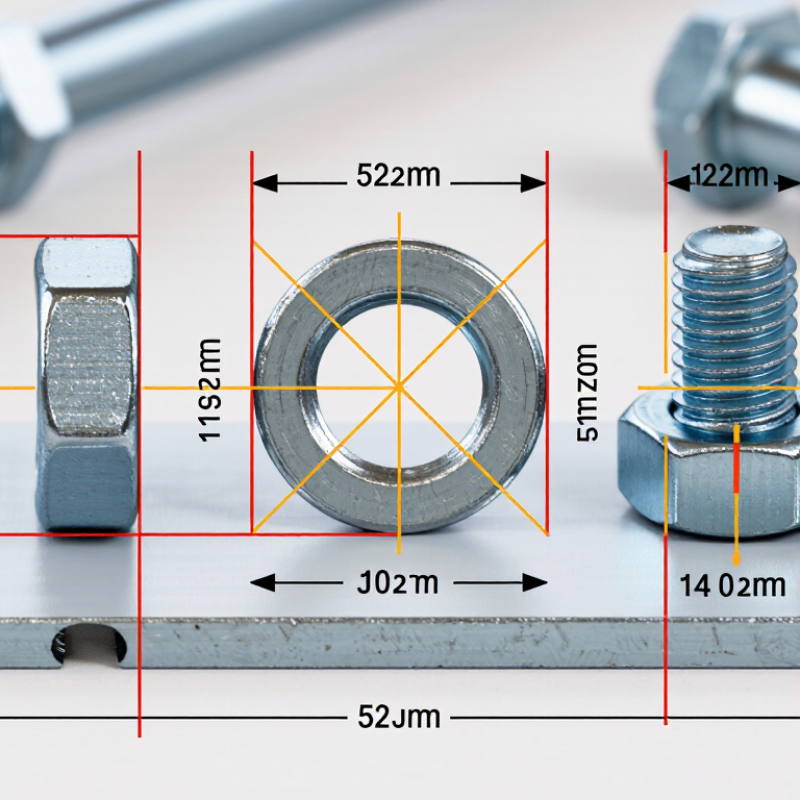
Choose a washer with an inside diameter that fits the fastener, then select its outside diameter to suit the application. A larger washer spreads the load over a wider area, which can be useful on softer or slotted materials. The chart compares common metric washer dimensions from ISO 7089 and ISO 7093-1; confirm the exact dimensions and coating specification for the washer you are buying.
Assess Load, Corrosion, and Installation Requirements
Choosing a mechanical zinc French washer starts with the joint load, not its finish. Check the bolt diameter, washer thickness, and outside diameter against the parts being clamped. A broad washer can spread bearing pressure across a soft panel, but it cannot correct an undersized bolt or weak substrate. Confirm the assembly’s required preload and use a washer whose hardness suits the fastener and mating surfaces. Fit matters.
Corrosion exposure changes the coating choice. ASTM B633 specifies zinc coating thickness classes of 5, 8, 12, and 25 micrometers for electrodeposited coatings. The right class depends on the environment and the required service conditions; a thicker coating alone does not guarantee longer field life. Salt-spray hours are useful for comparing test performance, not for predicting an exact number of years outdoors. Not just thickness.
Installation details matter too. Remove burrs, keep the washer flat against the surface, and tighten with a controlled method to avoid uneven seating. In a damp or chemically exposed location, check whether zinc-plated steel is suitable alongside the other joint materials. The NACE IMPACT study estimated corrosion costs at $2.5 trillion worldwide, or 3.4% of global GDP, and reported potential savings of 15–35% through corrosion management. That figure covers many industries, not washers alone. I would still verify the actual exposure and assembly conditions before specifying a coating.
Check Product Quality and Supplier Specifications
Start with the drawing, not the product photo. A French washer’s outside diameter, inside diameter, thickness, and edge profile should match the application. Measure several pieces with calipers, including one from the middle of the carton. Check for burrs, a warped face, or a hole that sits off-center. Small defects can tilt a fastener under load. That matters.
Ask the supplier to state the base metal, zinc coating type, coating thickness, and dimensional tolerances in writing. “Zinc plated” alone is vague. Request a recent inspection report and confirm which sampling method and test conditions it covers. For corrosion resistance, compare results only when the test method and exposure time are the same. A salt-spray result is not a service-life promise. Keep that in mind.
Order samples made through the intended production process, then inspect them under ordinary workshop light. Look for bare spots around the hole and uneven deposits on the rim. Fit a sample with the actual bolt and mating surface; it should sit flat without rocking. Also confirm lot traceability, packaging, and how the supplier handles parts outside tolerance. Ask precise questions. Record the answers. A neat sample can still differ from a bulk lot, so consider checking more than one batch when consistency matters. Extra checks take time, though; match the inspection effort to the cost of a failure.