How to Choose the Right Milling Equipment for Your Needs?

Choosing the right milling equipment is crucial for efficiency and productivity in various industries. According to a recent report by MarketsandMarkets, the global milling equipment market is expected to reach $12 billion by 2025, highlighting its importance in manufacturing. With technological advancements, milling machines have become faster and more precise, yet the variety can be overwhelming.

Industry expert Dr. Emily Smith emphasizes, "Understanding your specific needs is vital in selecting the appropriate milling equipment." The choice hinges on factors like material type, production scale, and desired outcomes. Making an informed decision can significantly affect operational costs and product quality.

Unfortunately, many businesses overlook these critical factors. They often rush into purchasing, only to find the equipment unsuitable. This oversight can lead to costly downtime and inefficiencies. Thus, taking the time to evaluate your milling requirements thoroughly is essential for long-term success.
How to Choose the Right Milling Equipment for Your Needs?

Understanding Different Types of Milling Equipment Available in the Market

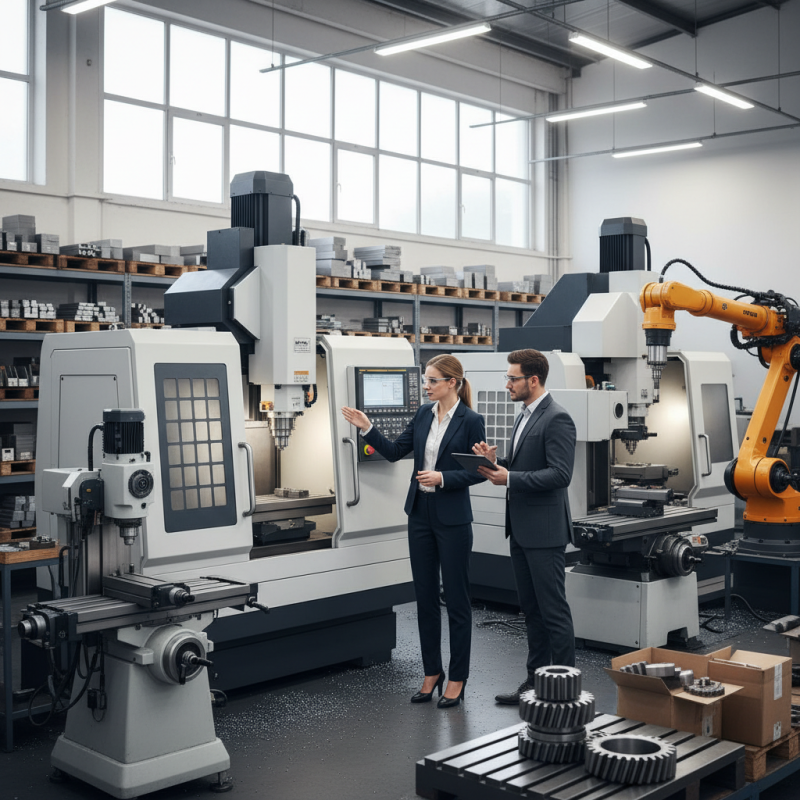
Choosing the right milling equipment is crucial for your production process. Different types of milling machines serve specific purposes. For example, vertical mills are ideal for precise work. They can handle smaller, intricate components very well. Horizontal mills, on the other hand, excel in large-scale production. They are faster and can process bigger workpieces efficiently.

Consider the materials you will be working with. Aluminum requires different milling specifications compared to steel. Some mills are equipped with powerful cutters, while others may be limited. Tooling and compatibility with existing machines should also be on your radar. It's easy to overlook these aspects, which can lead to production delays.

Lastly, think about your workspace. The size and layout can impact your equipment choices. A compact space may not accommodate larger milling machines. Reflect on your long-term goals as well. What seems suitable now might not fit future needs. Balancing all these factors can be challenging but essential for successful operations.
Assessing Your Material Requirements for Effective Milling Solutions

Choosing the right milling equipment involves careful assessment of your material requirements. Different substances demand distinct milling techniques. For instance, hard materials like quartz require robust milling systems, while softer materials may need less aggressive approaches. According to a 2021 industry report, the effectiveness of milling solutions can vary by up to 30% based on material properties alone.

Particle size distribution is another critical factor. Industries often aim for specific particle sizes to ensure product quality. An analysis revealed that 90% of users reported performance improvements when aligning equipment selection with material characteristics. However, it’s common to overlook this aspect, leading to inefficiencies. Using equipment unsuitable for a given material could waste resources and time.

Furthermore, understanding moisture content can greatly influence milling decisions. Materials with high moisture levels can cause clumping, affecting the milling process. Some studies show that neglected moisture content can lead to a 15% decrease in efficiency. Fine-tuning your equipment to match material properties is essential. It's a trial-and-error process. Not every choice will yield perfect results. Being open to adjustments can help you find the best solution.

Evaluating Production Volume and Scale for Equipment Selection

How to Choose the Right Milling Equipment for Your Needs?

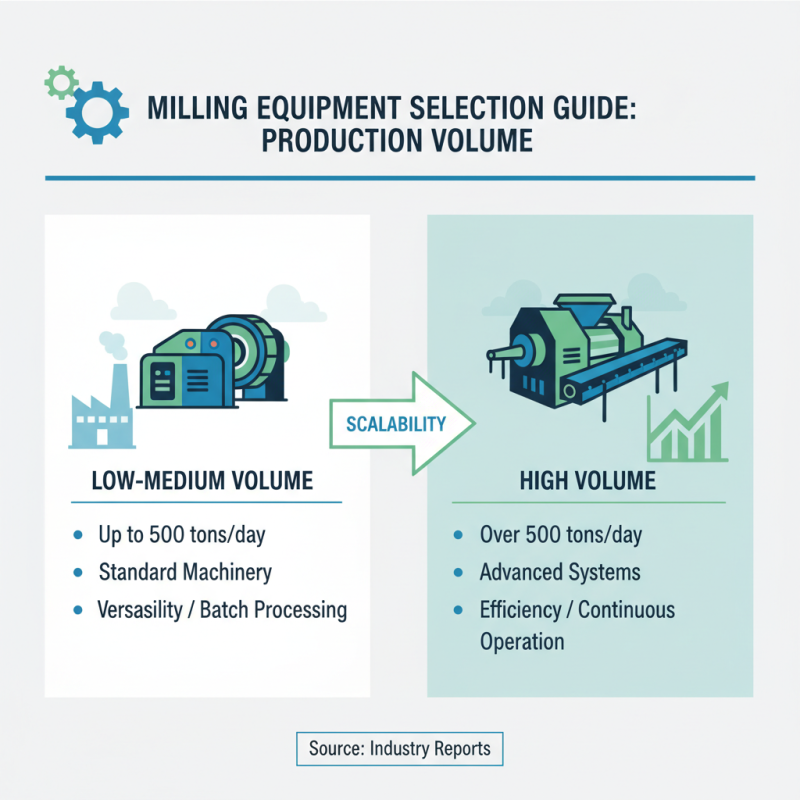
When selecting milling equipment, production volume is crucial. Understanding your expected output dictates your choice. High-volume operations may require robust machinery with increased capabilities. Reports indicate that facilities processing over 500 tons per day typically invest in advanced systems. These can enhance efficiency and reduce downtime.

Scale matters too. A small workshop may thrive with simpler tools, while larger operations need more complex setups. Industry data reveals that 70% of medium-scale manufacturers report productivity losses due to inadequate equipment chosen for their output. Choosing the right milling equipment without proper assessment can lead to operational mismatches.

It's essential to evaluate needs realistically. For instance, an operation with fluctuating orders should consider versatile machinery. In contrast, consistent high-demand might justify specialized, high-cost equipment. Businesses often forget to consider future growth. An underpowered system today can hinder expansion tomorrow. The key is balancing immediate needs with future aspirations.

Comparing Costs and Budget Constraints for Milling Equipment

When selecting milling equipment, budget constraints often take center stage. A recent industry report indicates that nearly 40% of small manufacturers struggle to balance quality and cost. This is a significant factor when considering new machinery. The average cost for milling equipment ranges from $10,000 to $150,000, depending on size and capabilities. Therefore, conducting thorough research on options within your budget is crucial.

Investing in used equipment can sometimes offer cost savings. However, this comes with risks. Machinery may require repairs or upgrades, leading to unexpected expenses. According to industry experts, 30% of companies report that hidden costs drained their initial budget. Regular maintenance and operational costs should also be factored into your decision-making process. Look for total cost of ownership, rather than just initial purchase price.

It's tempting to choose the cheapest option. However, this can be a mistake. Equipment that is not a good fit might lead to inefficiencies. A study found that improper milling can waste up to 20% of raw materials. In turn, this can heighten operational costs. Reflecting on your specific needs is essential for making an informed choice. Be prepared to invest in quality to ensure long-term success, even if it stretches initial budgets.

Considering Maintenance and Support Services in Equipment Choice

When selecting milling equipment, maintenance and support are crucial factors. Proper upkeep can keep your operations running smoothly. Consider how often the equipment needs servicing. Some models require frequent attention, while others are more self-sufficient. This has a direct impact on your productivity.

Support services also play a significant role. Training your staff can make a big difference. Ensure the provider offers robust training sessions. It's important to have access to technical support when problems arise. The absence of immediate assistance can lead to costly downtime. Be wary of equipment that lacks reliable back-up services.

Think about the learning curve for your team. Some equipment can be complex. If the maintenance procedures are unclear, mistakes can happen. Evaluate whether your team is comfortable with the technology. Balancing effectiveness with ease of use is essential. Reflect on these points before making your choice.