How to Choose the Right Towable Boom Lift for Your Project?
Choosing the right Towable Boom Lift can make or break your project. According to industry expert John Fletcher, "Not all Towable Boom Lifts are created equal." This statement highlights the importance of careful consideration.
When selecting a Towable Boom Lift, factors like height, weight capacity, and reach are crucial. Each project has unique requirements that should guide your decision. If you choose a boom lift that falls short, your project could face delays or safety hazards.
Many people overlook the significance of terrain adaptability. A Towable Boom Lift needs to handle various surfaces. Reflecting on past experiences can reveal flaws in previous choices. Recognizing these challenges is vital for future success.
Understanding Towable Boom Lifts and Their Applications
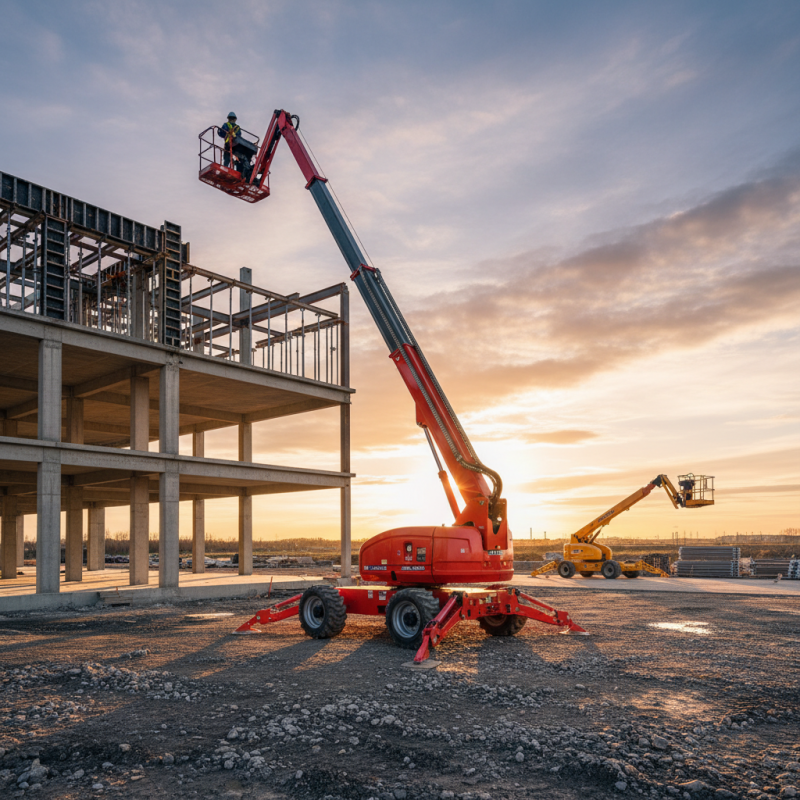
Towable boom lifts are versatile equipment used in various projects. They provide an efficient way to reach high places, making tasks easier. These lifts can be used for maintenance, construction, and even tree trimming. Their compact design allows for easy transport and setup. A reliable option when you need to work at heights.
Understanding the different applications of towable boom lifts is crucial. For instance, they are ideal for indoor jobs like painting or light installations. Outdoor projects benefit from their ability to extend over obstacles. However, caution is needed on uneven terrain. Not all models are suited for rough ground, which can be a limitation.
Safety is another key factor to consider. Operators must be cautious when navigating these machines. Training is essential to prevent accidents. In addition, be mindful of weight limits and operational guidelines. Choosing the right lift involves weighing these aspects carefully.
Assessing Project Requirements and Site Conditions
When selecting the right towable boom lift, understanding project requirements and site conditions is critical. Each job has unique demands. Consider the height you need. If you're working on a tall building, a lift with a greater reach will be necessary. If not, a smaller model might suffice, saving on costs and space.
Site conditions also matter significantly. Is the ground stable? Soft or uneven surfaces may not support certain lifts well. You might need to think about the width of paths or gate openings, too. A wide model won't fit through tight spaces. Think about nearby power lines or obstacles as well. Choosing a lift that can maneuver around these barriers is vital.
Involving workers in the selection process helps surface potential challenges. Everyone's perspective matters, especially those with field experience. This collaboration can identify flaws in initial planning. Don't skip this step, as overlooking these details can lead to delays and higher expenses. Gathering input from the team will reflect a more comprehensive understanding of the task ahead.
How to Choose the Right Towable Boom Lift for Your Project?
This chart illustrates how to assess various project requirements when choosing the right towable boom lift. Each category is rated on a scale from 1 to 10, reflecting the importance of height requirements, weight capacity, outreach, working area size, and operational terrain.
Evaluating Weight Capacity and Working Height Needs
When selecting a towable boom lift, it's crucial to assess your weight capacity and working height needs. Each project has unique requirements, demanding careful evaluation. If your team needs to reach high ceilings or conduct work on tall structures, consider the maximum working height of the lift. A lift that doesn't meet height specifications can lead to safety hazards and project delays.
Weight capacity is equally important. Different lifts can handle various loads, including personnel and equipment. An inadequate weight capacity may cause operational issues. For example, if the lift can only hold 300 pounds, but your team requires 400 pounds of tools and personnel, this mismatch creates risk. Always calculate the total weight before deciding.
Reflecting on past experiences can guide current decisions. Sometimes, a boom lift that seemed perfect fell short in real-world applications. It's essential to review project demands and ensure your choice aligns with actual needs. The right mix of weight capacity and working height is key to a successful project. A thoughtful approach can significantly enhance safety and productivity.
Comparing Features and Specifications of Different Models
When choosing a towable boom lift, comparing features and specifications is crucial. Look at the lift height offered by each model. Many lifts can range from 30 to over 60 feet. Assess the platform capacity as well. Some models support loads up to 500 pounds, while others may hold less. This difference is vital depending on your project's demands.
Consider the power source as well. Some lifts operate on electric power, while others use diesel engines. Electric models are quieter but may have limitations in runtime. Location is also key. If the lift will be used indoors, electric is often preferred. Outdoor projects may benefit from diesel's robustness.
Be wary of maneuverability. Some models are heavier and may require more space to navigate. Check the weight and size for towing compatibility. These specifics can impact how effective the lift will be on your job site. Think about your experience with such machines. If you're not familiar, an easier model may reduce risks. Always weigh the options thoughtfully.
Budgeting and Rental Considerations for Boom Lifts
When considering a towable boom lift for your project, budgeting is a critical factor. Detailed costs can vary widely based on lift height, weight capacity, and rental duration. Assess your specific needs first. Short-term rentals work well for brief tasks, while longer projects might benefit from a flexible rental agreement. Always factor in additional costs, such as delivery fees and insurance.
Carefully review your local market rates. Price fluctuations can happen, especially during peak construction seasons. Gather quotes from different suppliers. A low base price might not include essential features, like operating training or safety gear. Combining quotes helps find hidden costs and potential savings.
Evaluate the lift’s operating costs too. Fuel consumption, maintenance, and wear and tear can add up. Consider how frequently the lift will be used. Frequent use may justify a purchase, while rare projects fit better with rentals. It’s important to balance initial costs with ongoing expenses. Making informed decisions now prevents budget overruns later. Reflecting on these details is crucial for a successful project.
How to Choose the Right Towable Boom Lift for Your Project? - Budgeting and Rental Considerations for Boom Lifts
| Lift Model | Max Working Height (ft) | Max Weight Capacity (lbs) | Rental Cost per Day ($) | Typical Usage Applications |
|---|---|---|---|---|
| Model A | 30 | 500 | 150 | Construction, Maintenance |
| Model B | 40 | 600 | 200 | Film Production, Tree Work |
| Model C | 50 | 800 | 300 | Electrical Work, HVAC |
| Model D | 60 | 1000 | 400 | Roofing, Facade Work |