Top Tips for Effective FRP Guarding Solutions Worldwide?
When it comes to ensuring safety and efficiency in various industries, effective FRP guarding solutions are essential. FRP guarding, or fiber-reinforced plastic guarding, provides robust protection against potential hazards in industrial environments. Its lightweight yet strong nature makes it an excellent choice for safeguarding machinery and personnel.
Implementing FRP guarding solutions requires expertise and knowledge of industry standards. Selecting the right materials and designs is crucial. Not all FRP products are created equal, and understanding these nuances can lead to better safety outcomes. While numerous options exist, the challenge lies in assessing their suitability for specific applications.
There is still much to learn about best practices in FRP guarding. Continuous improvement in design and functionality can enhance safety measures substantially. Organizations must evaluate their current guarding solutions, seeking input from experts to refine their approaches. Gathering feedback from users can reveal insights that often go unnoticed.
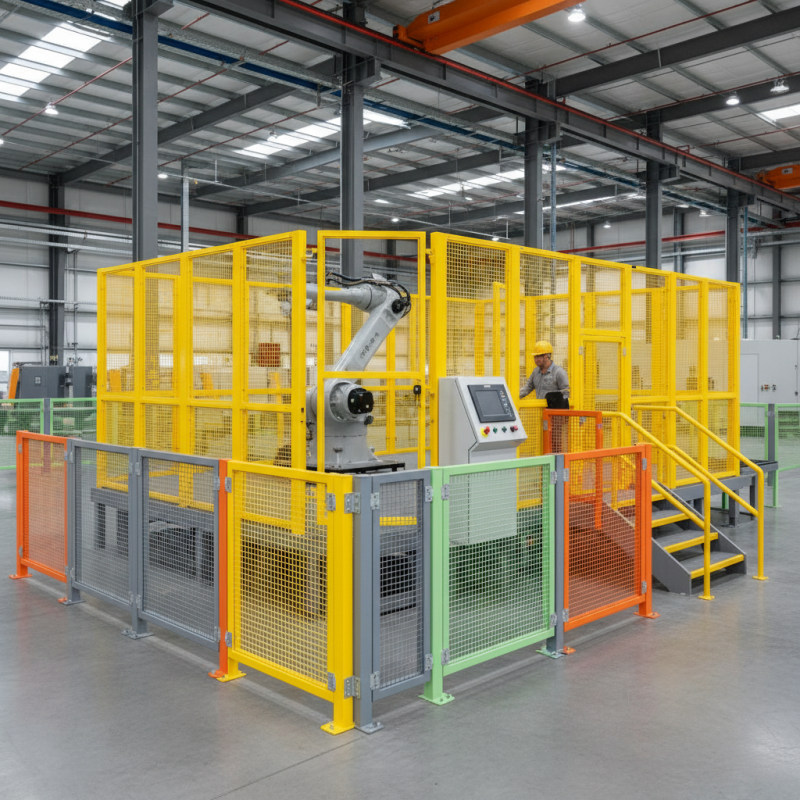
Understanding FRP Guarding Solutions: Key Features and Benefits
FRP (Fiber Reinforced Plastic) guarding solutions are becoming increasingly vital in various industries. Their lightweight yet strong composition makes them ideal for enhancing workplace safety. A comprehensive report from the Global Safety Council indicates that the adoption of FRP materials can reduce accidents by up to 30%. This reduction results from their ability to absorb shocks and resist corrosion over time.
Key features of FRP guarding include durability and low maintenance. Unlike traditional metal guards, FRP does not rust. This offers long-term cost savings for companies. A study by Industry Insights highlights that organizations can save approximately 25% on maintenance costs by switching to FRP solutions. However, not every FRP guard will meet all safety standards. Companies must ensure that the products align with industry regulations to be deemed effective.
Benefits extend beyond mere functionality. FRP guards can be customized to fit unique shapes and requirements. This adaptability makes them suitable for various environments, whether industrial, commercial, or residential. Yet, it’s crucial to address installation quality. Improper installation can negate the advantages these materials offer. Regular assessment and expert consultation can enhance overall effectiveness.
Identifying Common Applications of FRP Guarding in Various Industries
FRP (Fiber Reinforced Polymer) guarding solutions are increasingly popular in various industries. They are lightweight, durable, and resistant to corrosion. Given these properties, FRP is particularly useful in environments that face harsh conditions. For instance, the chemical industry often uses FRP guards to protect both workers and machinery from corrosive agents.
In the energy sector, FRP guarding solutions help maintain safety standards. They are often employed in wind and solar energy installations, where weather resistance is crucial. The lightweight nature allows for easier installation and maintenance. However, not every application is perfect. Some users have reported issues with UV degradation over time, raising questions about longevity and reliability.
In food processing, FRP's non-corrosive qualities are ideal. It meets hygiene standards without leaching harmful substances. However, transitioning to FRP from traditional materials can be a challenge for some facilities. There often needs to be a thorough assessment of existing structures. Considering these nuances can make a significant difference.
Best Materials and Techniques for Effective FRP Guarding Solutions
When considering effective FRP guarding solutions, material choice is critical. Fiberglass reinforced plastic (FRP) offers remarkable strength while being lightweight. It resists corrosion and impact, making it suitable for diverse environments. This ensures longevity, reducing the need for frequent replacements. However, not all FRP materials are created equal. Some may lack the necessary durability for harsher conditions.
Techniques for installation matter just as much as material selection. Proper anchoring methods can enhance performance. Ensuring a secure fit is essential to prevent accidents. Misalignment during installation can compromise safety. Additionally, incorporating regular inspections can help identify wear and avoid potential failures.
Creative designs also play a role in effectiveness. Integrating visibility features can improve awareness and safety. There’s a balance between aesthetics and functionality. Not every design meets all requirements, leading to potential gaps. Thoughtful evaluation of these aspects can lead to better solutions.
Top Tips for Effective FRP Guarding Solutions Worldwide
Evaluating Safety Standards and Regulatory Compliance for FRP Systems
In today's industrial landscape, evaluating safety standards for FRP (Fiberglass Reinforced Plastic) systems is critical. The increasing use of FRP in various sectors highlights the importance of compliance with established safety norms. According to a report from the Global Composites Alliance, over 60% of companies using FRP are not fully aware of the regulatory frameworks that govern their applications. This lack of awareness can lead to significant safety risks.
Regulatory compliance is more than just a checklist. It encompasses understanding the material properties and their interactions within specific environments. For instance, the American Society for Testing and Materials outlines necessary mechanical and thermal properties for FRP materials. Without adherence to these standards, practitioners might overlook critical safety factors. It is alarming that nearly 30% of incidents involving FRP products can be traced back to non-compliance with safety guidelines.
Furthermore, evaluating safety standards involves regular audits and updates. Industries must not only follow existing regulations but also stay informed about evolving standards. According to recent data, companies that engage in regular compliance training saw a 40% reduction in safety incidents. However, many organizations still neglect this aspect, focusing solely on production output. Our collective responsibility lies in bridging this gap between production and safety, ensuring that FRP systems are not just efficient but also secure.
Maintenance Best Practices for Longevity of FRP Guarding Solutions
Maintaining the longevity of FRP guarding solutions requires intentional care and regular attention. Regular inspections can proactively identify potential issues. Check for signs of wear or damage, which can lead to costly repairs if neglected. Even small cracks can compromise structural integrity over time.
Cleaning is crucial. Dust, dirt, and debris can accumulate on FRP surfaces. A gentle wash with soap and fresh water can preserve its appearance and functionality. Avoid harsh chemicals that might degrade the material. Regular maintenance extends the lifespan of the guarding solutions significantly.
Training personnel on maintenance routines is vital. Everyone involved should understand proper handling to avoid accidental damage. Documenting maintenance actions creates a valuable history. This information can inform future repairs or replacements, contributing to overall effectiveness. Reflection on past experiences can lead to improved strategies for care.