How to Cast Stainless Steel Effectively and Safely?

Casting stainless steel is a precise art that demands careful planning and execution. Accurate techniques are vital for ensuring the best results. Many challenges arise during the casting process, originating from material properties or equipment limitations. Striking a balance between safety and efficiency is crucial.

When casting stainless steel, attention to detail is paramount. Temperature control, material selection, and mold preparation all play significant roles. Poorly maintained equipment can lead to defects in the final product. There’s a need for constant reflection on practices to improve outcomes.

Moreover, proper safety measures protect casting professionals. High temperatures and molten metal pose risks. Having appropriate personal protective equipment (PPE) ensures safety during the casting process. Learning from past mistakes can pave the way for safer, more effective methods. Overall, mastering how to cast stainless steel requires commitment and ongoing education.
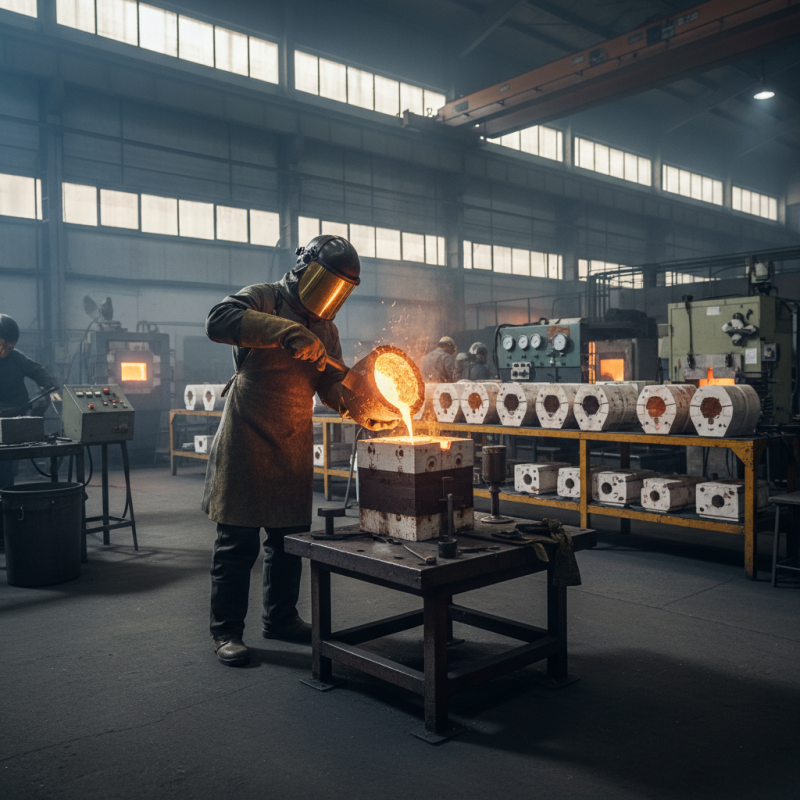
How to Cast Stainless Steel Effectively and Safely?

Understanding Stainless Steel and Its Properties

Stainless steel is a remarkable alloy, known for its resistance to corrosion and high temperatures. Its main components are iron, chromium, and nickel. This unique combination gives it strength and durability. The chromium content creates a protective layer, preventing rust. However, not all stainless steels are the same. Each type has its own properties, which can affect its casting process.

When working with stainless steel, you must consider its melting point, which is high. This challenges the casting process and requires specialized equipment. The alloy can also be tricky; it may deform or crack if not handled properly. A thorough understanding of each type is crucial. Some stainless steels are better for certain applications than others. Mistakes can be costly, both in materials and time. A simple miscalculation in temperature can lead to defects in the finished product.

Despite its strengths, challenges remain in casting techniques. It’s essential to refine your methods. Pay attention to the temperature control and mold design. Overlooking these factors can lead to errors. Every casting experience is a learning opportunity. Adapting to these complexities ensures better outcomes. Reflecting on what worked and what didn’t is key to improvement.

Essential Tools and Equipment for Stainless Steel Casting

Casting stainless steel requires specific tools and equipment. Understanding these essentials is crucial for success. Key tools include a furnace, crucible, and molds. A furnace generates the high temperatures needed to melt stainless steel. Make sure it’s well-insulated to avoid heat loss.

Crucibles come in various materials. Choose a crucible that can withstand extreme temperatures. Also, consider investing in protective gear. Safety goggles and heat-resistant gloves are necessary. A well-ventilated workspace is critical too. Fumes can be hazardous, so proper ventilation promotes safety.

Molds can be complex to design. Use patterns that allow for easy removal. This prevents damage to the cast. You may encounter flaws during the process. It’s important to identify these issues early. Acknowledge mistakes and learn from them to improve future casts. Adjusting techniques based on past experiences can lead to better outcomes.

Stainless Steel Casting Process: Tool Usage and Safety Measures

Step-by-Step Process of Stainless Steel Casting

Stainless steel casting requires careful planning and precision. Start by preparing your mold. It must be clean and free from defects. Use a high-quality release agent to prevent sticking. This step is crucial. A poor mold can ruin the final product. Inspect the mold frequently for any inconsistencies.

Next, select the right type of stainless steel. Different alloys have unique properties. Consider factors like strength and corrosion resistance. Melting the steel comes next. Use an appropriate furnace and maintain the right temperature. It’s easy to overheat or underheat the steel. Both can lead to poor casting. Monitor the process closely and adjust as necessary.

When pouring the molten steel, do so with care. Avoid splashing or introducing air into the metal. This can create defects. After pouring, allow the metal to cool slowly. Rapid cooling may lead to cracking. Patience is key during this phase. After cooling, inspect the cast for any imperfections. Fixing these may require additional steps, like grinding or welding. Each casting is a learning opportunity, revealing areas for improvement.

Safety Precautions for Effective Stainless Steel Casting

Safety is paramount when casting stainless steel. High temperatures can cause severe burns. Proper personal protective equipment (PPE) is vital. Use heat-resistant gloves and aprons. A face shield protects your eyes from splashes. Remember to wear a hard hat if there’s any risk of falling materials.

Ventilation is another critical factor. Fumes can be hazardous. Work in a well-ventilated area to minimize inhalation risks. Monitor air quality continuously. A filtration system can help manage harmful particles. It is essential to have fire extinguishers accessible in case of emergencies.

Another point to consider is workspace organization. Keep the area free from clutter. Store tools and materials properly. Spills should be cleaned immediately to prevent slips and falls. Reflecting on past experiences may reveal mistakes. Learning from these can enhance safety and efficiency. Stay informed about the latest safety practices in steel casting.

Common Challenges and Solutions in Stainless Steel Casting

Stainless steel casting presents unique challenges. The first hurdle is achieving uniformity. Variations in temperature can lead to inconsistent results. If the metal cools too quickly, fractures form. These can be costly to repair and may render a batch useless.

Another issue is contamination. Impurities can compromise the integrity of the steel. A seemingly minor speck can lead to major failures in strength or durability. Strict monitoring of the environment is crucial to mitigate this risk. It’s not just about cleanliness; every surface matters.

Molding techniques also play a significant role. The wrong mold design can result in defects. It's essential to balance design with functionality. Sometimes, the best plans fall short under real-world conditions. Refinement of techniques comes from past mistakes. Continuous learning is key in overcoming these common challenges.

How to Cast Stainless Steel Effectively and Safely? - Common Challenges and Solutions in Stainless Steel Casting

Challenge Description Solution Safety Measures
Porosity Presence of tiny holes in the casting due to trapped gas. Use vacuum systems to reduce gas content. Implement proper ventilation in the casting area.
Misalignment Components not fitting together as intended. Ensure precise mold design and alignment during setup. Train operators to double-check mold positioning.
Cold Shuts Incomplete filling of the mold resulting in weak spots. Increase pouring temperature and speed. Monitor thermal conditions closely to prevent accidents.
Segregation Uneven distribution of alloying elements. Use stirring techniques during pouring. Wear protective gear against harmful fumes.
Cracking Fractures occurring during cooling. Optimize cooling rates and stress relief processes. Conduct regular inspections for operator safety.