10 Essential Tips for Choosing Brass Hose Connectors?

Choosing the right Brass Hose Connectors is crucial for effective plumbing and gardening tasks. According to industry expert John Mills, "Quality brass hose connectors can prevent leaks and ensure long-term reliability." This statement reflects the importance of selecting high-quality materials for your projects.

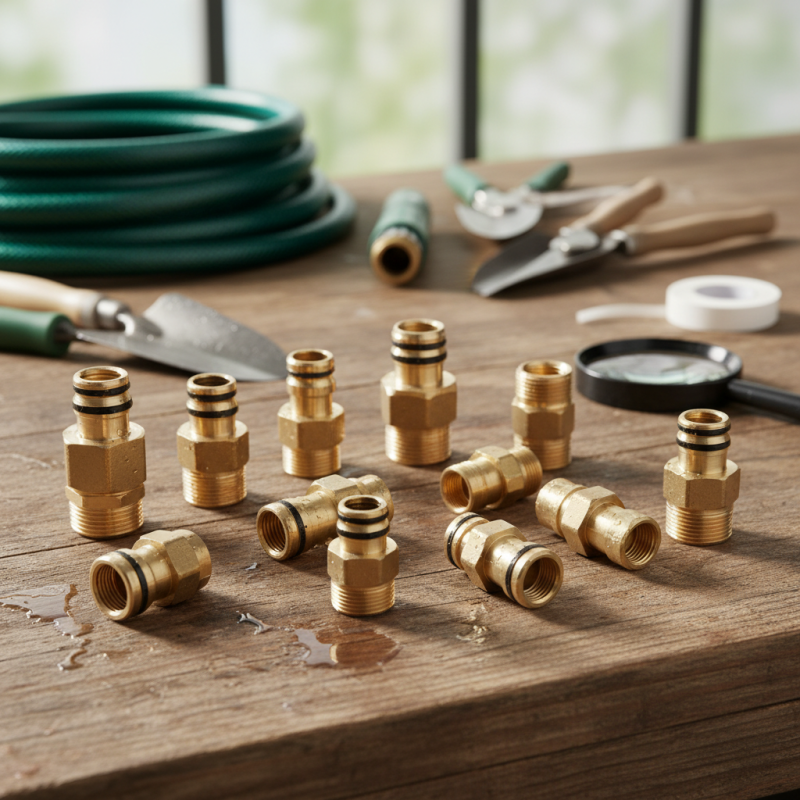
Brass hose connectors offer durability and resistance to corrosion, making them a popular choice. When choosing connectors, consider factors such as size, compatibility, and threading types. The right fit can significantly improve the performance and lifespan of your hoses.

Many buyers overlook specific details that can compromise their projects. It's essential to reflect on the quality of the brass before purchasing. Cheaper options may seem attractive but often lead to leaks and frustration. Investing in reliable brass hose connectors can save time and money in the long run.
10 Essential Tips for Choosing Brass Hose Connectors?

Understanding the Benefits of Brass Hose Connectors

Brass hose connectors are a popular choice for gardening and landscaping. They offer notable durability and resistance to corrosion. This means they last longer than many plastic alternatives. For those investing in quality, brass connectors can be a game changer. They withstand harsh weather conditions without deteriorating.

One key benefit of brass connectors is their strong sealing capability. Leaks can be frustrating, and brass provides a tight fit that minimizes this issue. However, not all brass connectors are created equal. Some might be more prone to wear, particularly in high-pressure situations. It's essential to evaluate the specifications carefully.

Another advantage is their aesthetic appeal. Brass adds a touch of elegance to any setup. Yet, tarnishing can occur, requiring occasional maintenance. Users often overlook this aspect, leading to a less polished appearance over time. By understanding both the benefits and potential drawbacks, you can make a more informed choice.

Key Factors to Consider When Selecting Hose Connectors

Choosing the right brass hose connectors is crucial for durability and performance. One key factor is the material’s resistance to corrosion. According to a 2022 industry report, nearly 30% of premature failures in hose assemblies stem from poor material selection. Brass offers excellent resistance, but all alloys are not equal.

Another important consideration is the connector size. Mismatched sizes can lead to leaks. Studies show that improper sizing contributes to approximately 25% of garden hose-related issues. Always check compatibility with existing equipment. The inner diameter of connectors should align with the hose size for optimal water flow and pressure retention.

Thread type is often overlooked but vital. ASTM standards indicate that mismatched threads are among the leading causes of hose connector failures. The choice between NPT and garden hose threads matters. Proper alignment enhances sealing efficiency. While it may seem trivial, attention to these details can prevent future frustrations. Selecting a connector requires both knowledge and careful thought. Each aspect plays a role in the overall effectiveness of your gardening or plumbing system.

Exploring Different Types of Brass Hose Connectors

When exploring different types of brass hose connectors, it’s important to understand the options available. Brass connectors come in various shapes and sizes. Some are designed for high-pressure activities, while others cater to general garden use. The right choice depends on your specific needs and application.

Consider your water flow requirements. A connector that restricts flow can affect watering efficiency. Also, check if the connector can withstand weather elements. Outdoor use demands durability. It’s wise to choose connectors that resist corrosion and wear over time.

Tip: Always check the thread compatibility with your hoses. Mismatched threads can lead to leaks. Look into the inner diameter of connectors; it affects water flow. Finally, read user reviews. They often highlight issues not mentioned in the product description. Reflecting on these aspects can enhance your experience with brass hose connectors.

10 Essential Tips for Choosing Brass Hose Connectors - Exploring Different Types of Brass Hose Connectors

Tip No. Tip Description Connector Type
1 Assess Your Needs Determine the specific applications and environments where the connectors will be used. Standard Hose Connector
2 Check the Size Ensure the connectors match the diameter of your hoses to prevent leaks. Slip-On Connector
3 Material Quality Choose high-quality brass that resists corrosion and wear. Heavy-Duty Connector
4 Connection Type Select between threaded or quick-connect types based on convenience. Threaded Connector
5 Look for Compatibility Ensure connectors are compatible with existing systems and fittings. Universal Connector
6 Evaluate Pressure Ratings Check the maximum pressure capacity for your application. High-Pressure Connector
7 Inspect for Leaks Look for features that ensure leak-proof connections. Leak-Proof Connector
8 Consider Temperature Resistance Select connectors that can withstand your operating temperature conditions. Temperature-Resistant Connector
9 Research Manufacturer Reputation Choose connectors from reputable manufacturers for reliability. Reputable Brand Connector
10 Check Warranty and Support Ensure that a warranty and customer support are available. Warrantied Connector

Evaluating Compatibility with Existing Hose Systems

When selecting brass hose connectors, evaluating compatibility with your existing hose systems is crucial. Ensuring that the size and thread type match can prevent leaks and pressure loss. Measure the inner diameter of your hoses. Different systems may use specific sizes, and mismatched connectors lead to inefficiency.

Consider the fitment style of existing hoses. Some hoses use a barbed fitting, while others may require a compression style. Verify the connector specifications before purchasing. This attention to detail helps maintain system integrity, reducing replacements later. Look for connectors that easily integrate without excessive force or adjustments.

Take time to inspect the materials used in your connectors. A higher-quality brass will resist corrosion better. Test how well it performs under pressure. Sometimes, even a minor flaw in design can lead to complications. Document any issues that arise during setup for future reference. Noticing small inconsistencies will enhance your overall experience with hose systems.

10 Essential Tips for Choosing Brass Hose Connectors

Tips for Maintenance and Care of Brass Hose Connectors

Maintaining brass hose connectors is crucial for ensuring their longevity and efficiency. Regular care can prevent leaks and improve performance. Studies indicate that proper maintenance can extend the lifespan of these connectors by up to 30%. Ensure that the connectors are cleaned regularly to remove any debris or mineral buildup. Use a soft cloth and mild soap to avoid scratches on the brass surface.

When it comes to storage, keep the connectors in a dry place. Moisture can lead to corrosion, which degrades the metal over time. According to industry reports, corrosion is responsible for nearly 40% of failures in brass fittings. It is also essential to check for wear and tear periodically. Look for cracks or signs of deterioration. Such issues can lead to costly repairs or replacements.

Always apply a thread sealant or plumber's tape on the threads before attaching your connectors. This simple tip can significantly reduce the chance of leaks. Additionally, avoid over-tightening the connections, as it can lead to damaging the threads. By following these maintenance tips, you can ensure that your brass hose connectors remain reliable and effective for longer periods.