
10 Essential Tips for Choosing the Right Double-Ended Dowel Pin?

Choosing the right Double-Ended Dowel Pin is crucial in manufacturing and assembly processes. These pins provide alignment and strength in various applications. According to a recent industry report by Freedonia Group, the demand for precision dowel pins is projected to grow by 6% annually, highlighting their importance in mechanical assemblies.

When selecting double-ended dowel pins, factors such as material, length, and diameter must be considered. A study from the American National Standards Institute emphasizes the impact of accurate size on joint stability. Manufacturers often overlook this detail. This can lead to assembly errors and increased costs.

In addition, understanding the various finishes available for double-ended dowel pins can enhance durability. A study published in the International Journal of Mechanical Engineering found that pins with appropriate finishes exhibit significantly greater resistance to wear and corrosion. Choosing the right dowel pin is more than just a choice; it is a decision that affects overall product reliability.
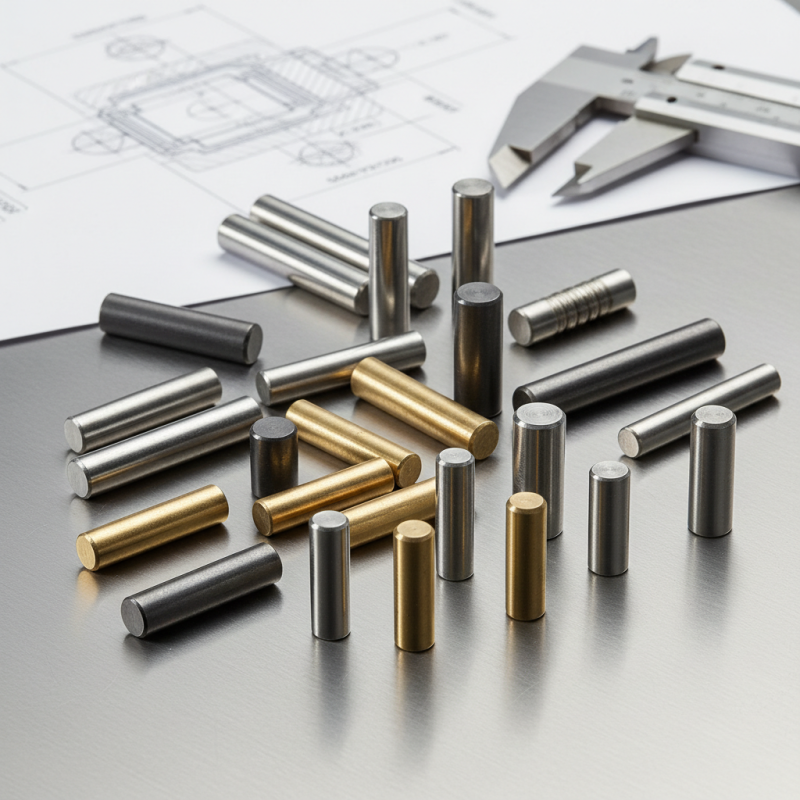
10 Essential Tips for Choosing the Right Double-Ended Dowel Pin?

Understanding Double-Ended Dowel Pins: Types and Specifications

Double-ended dowel pins are versatile fasteners used in various applications. Understanding their types and specifications is crucial when making choices. They come in different materials, including steel, stainless steel, and plastic. Each material serves different purposes and environments. For instance, stainless steel is ideal for corrosion resistance. On the other hand, plastic dowel pins work well in less demanding settings.

When selecting a dowel pin, consider the diameter and length. These dimensions must correspond with the components they will connect. Precision in size is critical for ensuring a secure fit. Vague measurements can lead to issues in assembly. Furthermore, you should evaluate the pin's finish. A smooth finish enhances functionality and reduces friction during assembly and disassembly.

It's also essential to think about load-bearing capacities. Each type of dowel pin can handle different weights and stresses. Ignoring these specifications might result in pin failure. Reviewing the manufacturer's guidelines is advisable. This ensures you are informed about the performance limits of the dowel pins. Taking these details into account will improve the overall reliability and integrity of your projects.

Key Material Considerations for Double-Ended Dowel Pins in Engineering

When selecting double-ended dowel pins, material choice is crucial. The right material affects durability and performance. Common materials include steel, aluminum, and plastic. Steel is strong and ideal for heavy loads. However, corrosion can be a problem in moisture-rich environments. Using stainless steel can mitigate this risk.

Aluminum is lighter, making it suitable for applications where weight is a concern. Yet, it may not carry the same load capacity as steel.

Plastic dowel pins offer resistance to corrosion and are often used in non-load-bearing applications. They can be cost-effective and lightweight but may wear quicker than metal. The environment where these pins will be used plays a significant role in material selection. Consider temperature fluctuations, exposure to chemicals, and potential stress factors.

Testing materials under actual conditions is often beneficial. Small changes can lead to substantial impacts on performance.

Evaluating the specific needs of the project is essential. Each material has pros and cons that could influence the overall design. Flaws can emerge when the wrong material is chosen, leading to failure in assembly or function.

Addressing these variables leads to better engineering decisions. Proper selection of dowel pin materials enhances reliability.

Importance of Precision Tolerances in Double-Ended Dowel Pins

Precision tolerances play a crucial role in the effectiveness of double-ended dowel pins. These pins are often used in assembly processes where alignment is critical. If the tolerances are not accurately maintained, misalignment occurs. This can lead to a slew of issues, including structural weaknesses and assembly difficulties. A tight tolerance ensures a snug fit, providing better stability for the overall structure.

When selecting double-ended dowel pins, attention to detail is vital. Ensure you know the specific dimensions needed for your project. Consider the material as well, as this can affect durability and performance. Verify the manufacturer’s specifications to ensure they meet the required standards. Look for feedback and reviews that reflect the pin's reliability in similar applications.

Keep in mind, even small discrepancies can lead to larger issues down the line. Not all suppliers maintain the same quality control measures. This inconsistency may cause you to rethink your choices. It's important to question the precision of each supplier’s products before making a decision. Ultimately, the right dowel pin can make all the difference in your project's success.

10 Essential Tips for Choosing the Right Double-Ended Dowel Pin

This chart illustrates the importance of different factors when selecting double-ended dowel pins, focusing on precision tolerances.

Analyzing Load-Bearing Capacities for Proper Dowel Pin Selection

When selecting double-ended dowel pins, understanding load-bearing capacities is crucial. These pins serve as a connector in various applications. Assess the expected load each pin will bear. This ensures safety and performance in use. Different materials will have different strengths. Consider steel for heavy loads, while nylon may work for lighter applications.

Testing the load limits is essential. Perform static and dynamic tests if possible. Sometimes, dowel pins fail under unexpected conditions. The manufacturing process also affects their reliability. Low-quality pins may bend or break, risking project integrity.

Always consult with professionals if in doubt. Engaging with engineering experts can provide insights into specific applications. Remember that installation matters too. Misalignment can lead to premature wear. Thus, thorough evaluation of load-bearing needs will enhance your project’s longevity and success.

10 Essential Tips for Choosing the Right Double-Ended Dowel Pin

Tip Number Tip Description Load-Bearing Capacity (lbs) Material Type Common Applications
1 Consider the required load capacity. 200 Steel Furniture assembly
2 Check the diameter for proper fitting. 150 Aluminum Construction fixtures
3 Select a corrosion-resistant material if needed. 250 Stainless Steel Outdoor structures
4 Consider the length for project specifics. 180 Brass Decorative projects
5 Analyze shear strength requirements. 220 Carbon Steel Heavy machinery
6 Evaluate environmental conditions. 160 Zinc-Plated Automotive parts
7 Verify tolerance levels for precision fitting. 210 Nylon Electronics enclosures
8 Research industry standards and certifications. 300 Cold-rolled Steel Industrial equipment
9 Evaluate the ease of installation. 190 Mild Steel Home projects
10 Consider the overall cost-effectiveness. 170 Plastic Lightweight constructions

Evaluating Cost-Effectiveness vs. Quality in Dowel Pin Procurement

Evaluating cost-effectiveness versus quality in dowel pin procurement is critical for manufacturers and engineers. According to a recent industry report, about 30% of production failures are attributed to substandard components, including dowel pins. This statistic highlights the importance of investing in high-quality pins, which often come at a higher upfront cost but can save money in the long run.

When assessing cost-effectiveness, consider the total lifecycle costs of dowel pins. The initial purchase price might be lower for cheaper options, but they may require frequent replacements and lead to downtime. A study from the Precision Engineering Journal found that high-quality dowel pins can reduce maintenance needs by up to 25%. This reduction directly impacts productivity and can significantly affect overall operational costs.

Additionally, it’s essential to examine the materials used in dowel pins. Low-quality materials can lead to corrosion and deformation, affecting assembly precision. Research shows that robust materials improve longevity and performance. Investing in quality does not guarantee perfection. However, understanding the balance between cost and quality can guide you toward more sustainable choices in dowel pin procurement.