
What is a high voltage output electric fence and how does it work?
A high voltage output electric fence is a powerful tool in livestock management and property security. According to recent industry reports, high voltage systems can deliver shock levels ranging from 2,000 to 10,000 volts. This impressive voltage deters animals and intruders effectively. Farmers and landowners appreciate their reliability and efficiency.
These fences operate by sending short electric pulses. When an animal or a person touches the wire, a shock is felt. This shock is not lethal but enough to deter unwanted interactions. Studies indicate that proper installation can reduce livestock losses significantly, providing peace of mind to owners. However, issues can arise with improper use or maintenance.
Despite their advantages, high voltage output electric fences require careful consideration. Users must be aware of local regulations and animal safety. Misunderstandings about their function can lead to serious consequences. Adequate training and awareness are essential to harnessing their full potential while maintaining safety. Understanding both the benefits and limitations of high voltage output electric fences is crucial for maximizing their effectiveness.
Definition of High Voltage Output Electric Fence
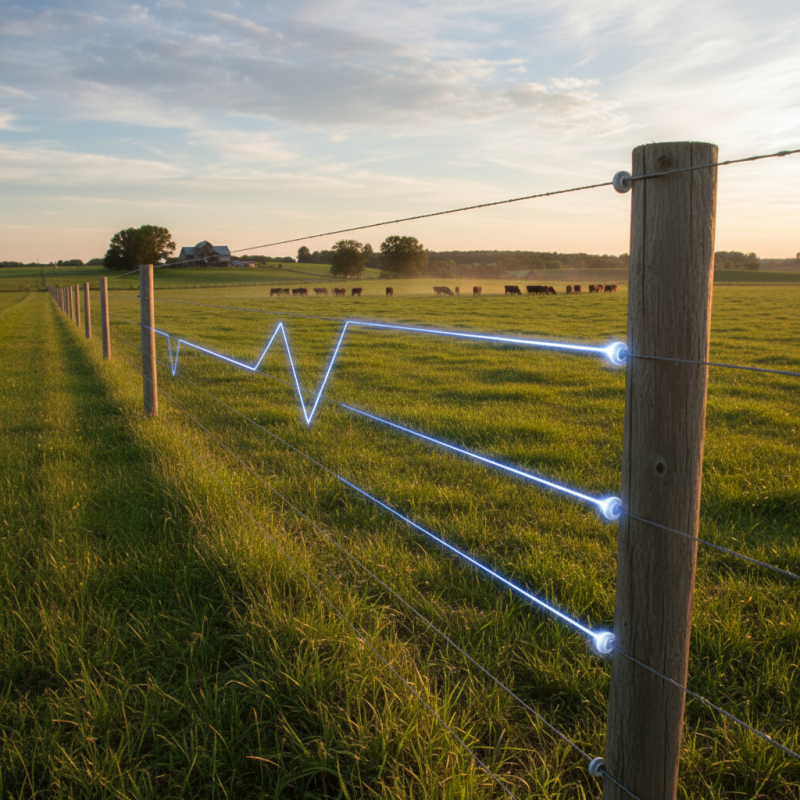
A high voltage output electric fence is a specialized boundary system. It delivers a significant electric shock when an animal or intruder makes contact. The main purpose is to deter unwanted guests while ensuring the safety of domesticated animals.
These fences typically consist of wires strung between posts. An energizer unit powers the system, sending pulses of electricity along the wires. The voltage can vary, but it's often high enough to provide a shock that is uncomfortable but not fatal. Many people worry about the safety of pets or livestock, which is a valid concern. It's essential to inspect the installation regularly to prevent accidental harm.
While effective, these fences come with drawbacks. They require a continuous power supply, making them less reliable during outages. Maintenance is crucial, as overgrowth can shorten the fence's effectiveness. Periodic checks for broken wires or malfunctioning energizers are necessary to ensure they work properly. Users must also be aware of local regulations regarding their use, as the legality can vary widely.
Components of a High Voltage Electric Fence System
A high voltage electric fence is an effective deterrent for various animals. It consists of several key components that work together to create a secure boundary. The energizer is at the core of the system. It transforms standard voltage into high voltage pulses. These pulses travel along the fence wires. When an animal touches the wire, it receives a safe but unpleasant shock.
The fence wire itself is designed to carry the electric current. It is often made of high conductivity materials. Insulators are used to prevent the current from grounding out. They keep the electricity flowing along the wire. In addition to these, grounding rods are crucial. They help ensure the fence operates efficiently by providing a path for the electrical current.
Regular maintenance is essential. Over time, components may wear out or become less effective. Tension in the wire can decrease, leading to poor performance. Inspecting the system helps identify issues before they become significant failures. This process keeps the fence functioning as intended. A well-maintained electric fence can protect livestock and property effectively.
How High Voltage Electric Fences Generate Electricity
High voltage output electric fences are powerful barriers designed to deter animals or intruders. They work by delivering a high-voltage shock through a series of wire strands. This shock is not lethal but is certainly startling. The fence operates on a system that pulses electricity at intervals. This pulsing creates an effective deterrent for any unwanted visitors.
How do these fences generate electricity? They use a transformer to boost standard voltage. The current from a standard outlet or battery travels through the transformer and increases. This creates a high voltage that travels along the fence wires. The fence energizer also controls the pulse duration and frequency. A well-designed system ensures minimal energy waste and maximum effectiveness.
Tips: Make sure to regularly inspect your fence. Look for any loose connections or damaged wires. Proper maintenance is key. Always keep vegetation away from your fence to prevent short circuits. If you’re unsure, consult with a professional. Understanding your system can help you make better decisions about repairs and upgrades over time.
Operational Mechanism of High Voltage Electric Fences
High voltage electric fences are designed to deter animals and intruders. They deliver an electric shock when touched, but the shock is brief and not lethal. This system operates on the principle of pulsed energy. The fence generates high voltage bursts that travel along wires. When contact occurs, the electrical pulse travels through the body to the ground, creating a shock sensation.
A transformer is often the core of these systems. It converts low voltage into high voltage. The energy is stored briefly before being released in pulses. These pulses ensure the fence remains effective while minimizing any potential harm. The spacing of the wires also plays a crucial role. Proper distances can deter most animals but can also invite curiosity.
Despite their effectiveness, there are considerations to keep in mind. Animals may adapt to the shock over time. Regular maintenance is essential to prevent overgrowth that can short-circuit the system. Users must ensure the area is safe, avoiding places where people could accidentally touch the fence. An electric fence is both a barrier and a responsibility. Its impact relies on proper management and awareness.
Applications and Benefits of High Voltage Electric Fences
High voltage output electric fences are popular for their effectiveness in various applications. They provide a reliable barrier for farms and properties, deterring intruders and livestock. Such fences deliver a short, safe electric shock. This shock is enough to discourage animals from crossing the boundary without causing lasting harm.
These fences are widely used in agricultural settings. Farmers often rely on them to contain livestock and protect crops from deer. The high voltage ensures a strong deterrent while being low maintenance. They can be installed in a variety of terrains. This versatility adds to their appeal in rural areas.
**Tips:** When installing an electric fence, ensure that it is properly grounded. This enhances its effectiveness. Regularly check for vegetation near the fence. Overgrowth can reduce voltage output. Always inform family and visitors about the fence to prevent accidents.
What is a high voltage output electric fence and how does it work? - Applications and Benefits of High Voltage Electric Fences
| Feature | Description |
|---|---|
| Voltage Output | Typically between 3,000 to 10,000 volts |
| Main Application | Livestock containment and predator deterrence |
| Operation Principle | Delivers a shock to deter animals upon contact |
| Key Components | Energizer, fence wires, insulators, grounding system |
| Benefits | Effective animal control, low maintenance, cost-effective |
| Safety Considerations | Proper installation and warning signs recommended |