
2026 How to Choose the Best WPC Wall Panels for Your Projects?

Choosing the right WPC Wall Panels for your projects can be a challenging task. With various options available, understanding their features is essential. WPC wall panels are a blend of wood fibers and plastic. This combination provides durability and aesthetics.

When evaluating WPC wall panels, consider their water resistance and ease of installation. These aspects can be pivotal for long-lasting results. Look for panels with good thermal and sound insulation properties too. Not all panels are created equal, and some may not meet your specific needs. It's important to consult reliable sources and gather insights from experienced users.

Select products that have proven their worth over time. Claims from manufacturers should be verified through reviews and case studies. You might find that what looks good on paper does not perform as expected in reality. Balancing aesthetics and functionality is key in this process. Ultimately, a well-informed decision can lead to a successful project outcome with WPC wall panels.
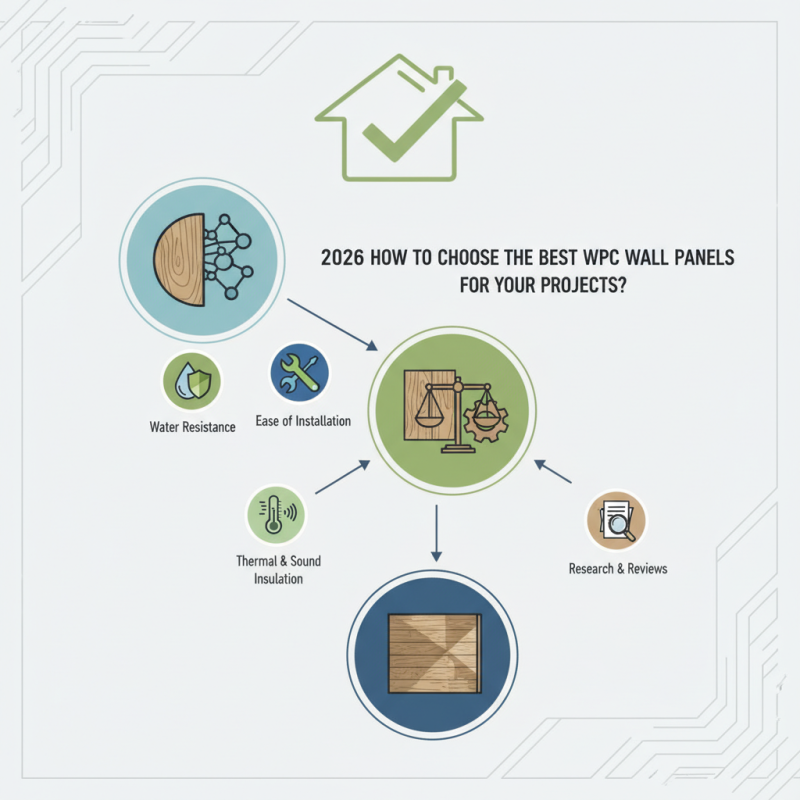
2026 How to Choose the Best WPC Wall Panels for Your Projects?

Understanding WPC Wall Panels: Definition, Composition, and Benefits

WPC (Wood Plastic Composite) wall panels are gaining popularity in the construction industry. These panels combine wood fibers and plastic polymers, providing an innovative solution for interior and exterior applications. Research indicates that WPC panels can reduce environmental impact, using recycled materials extensively. According to a recent industry report, the global WPC market is projected to reach $7.4 billion by 2025, reflecting increased demand for sustainable building materials.

The benefits of WPC wall panels are significant. They are water-resistant, which makes them ideal for areas prone to moisture. A study from the American Society for Testing and Materials found that WPC materials can last up to 50 years with proper maintenance. The panels require minimal upkeep compared to traditional wood, which often succumbs to rot and decay. This durability is attractive to builders and homeowners alike.

However, not all WPC products are created equal. Some panels may have lower quality due to inferior materials or manufacturing processes. It's crucial to conduct thorough research before selecting panels for your project. Poor choices can lead to issues like fading or warping over time. Understanding the specific composition and production standards can help ensure the longevity and effectiveness of your investment.

Key Factors to Consider When Selecting WPC Wall Panels for Projects

When selecting WPC wall panels for your projects, several key factors demand attention. First, consider the durability of the material. WPC stands for wood-plastic composite, known for resistance to moisture, rot, and insects. According to industry reports, well-manufactured WPC panels can last over 25 years, outperforming traditional wood in many environments.

Next, assess the aesthetic appeal. These panels come in various colors and textures, allowing for versatile design options. Some studies show that 55% of consumers prioritize visual aspects in construction materials. This emphasizes the importance of choosing panels that fit both the project's style and functionality.

Sustainability is another critical factor. WPC panels are often made from recycled materials, which can significantly reduce environmental impact. Reports indicate that using sustainable materials can enhance a project's rating in green building certifications. However, not all WPC products are created equally; checking certifications and sourcing information is essential. Make sure to reflect on these aspects, as an informed choice can lead to successful and responsible building outcomes.

Performance Metrics: Lifespan, Durability, and Maintenance of WPC Panels

When considering WPC wall panels for your projects, performance metrics are key. Lifespan is crucial. Typically, WPC panels can last over 25 years with proper care. However, some panels may degrade faster in harsh conditions. Always check the manufacturer's specifications to understand their expected longevity.

Durability is another essential factor. WPC panels resist moisture and insects better than traditional materials. They are designed for both indoor and outdoor use. However, environmental factors can still impact their performance. For instance, extreme temperatures may cause warping or fading. Regular checks can help identify issues early.

Maintenance of WPC panels is relatively simple. A quick wash with soap and water is usually enough. Yet, neglecting routine maintenance can lead to problems like mold growth or discoloration. It’s vital to establish a regular cleaning schedule. Over time, you will learn the specific needs of the material you choose. Understanding these performance metrics ensures you select the right WPC panels for your project.

Aesthetic Options: Color, Texture, and Finish Choices for WPC Wall Panels

When selecting WPC wall panels, aesthetic options play a vital role. The color scheme is crucial. Modern trends favor earthy tones and bold colors. According to a recent report by the Research Institute for Color Psychology, colors such as deep greens and rich browns promote calmness and connection to nature. These shades can enhance the overall ambiance of a space.

Texture is another significant aspect to consider. WPC panels can have a smooth or textured finish. Textured panels add depth and visual interest. An IDC survey found that 70% of designers prefer textured finishes for their projects. They believe these finishes can create a more inviting environment. It is essential to balance aesthetics and functionality, ensuring that the selected texture aligns with the project’s purpose.

Finally, the finish of the WPC panels contributes to both durability and appearance. Matte finishes can provide a modern look, while gloss finishes reflect light and create a vibrant atmosphere. Experts suggest considering maintenance when choosing finishes, as glossy surfaces may show fingerprints more readily, requiring frequent cleaning. Balancing beauty with practicality is essential in making the final choice.

Cost Analysis: Budgeting for WPC Wall Panels in Construction Projects

When budgeting for WPC wall panels, one key factor is the initial cost versus long-term savings. Industry reports suggest that WPC panels can reduce maintenance costs by up to 30% compared to traditional materials. This is primarily due to their resistance to rot and insect damage. For a budget-conscious project, the average cost of WPC wall panels ranges from $2.50 to $6.00 per square foot, depending on the quality and design.

However, it’s crucial to also factor in installation costs, which can vary significantly. Professionals estimate that labor costs can account for 30-50% of the overall expense. Therefore, selecting a simpler design may alleviate some of these costs. Regularly, contractors emphasize the importance of including potential waste in the calculations. Material waste can inflate the budget, with estimates suggesting that up to 10% extra material should be included in the final calculation.

Another consideration is the environmental impact. A recent study indicated that WPC panels can lower carbon emissions by 20% over their lifecycle compared to traditional wood. This could appeal to eco-conscious clients, adding value despite potentially higher upfront costs. Balancing these factors can be challenging, making thorough research and professional consultations essential for effective budgeting.