2026 How to Optimize Tandem Cold Rolling Mill Efficiency?

The efficiency of a tandem cold rolling mill is vital for maximizing production and minimizing costs. John Smith, a leading expert in steel manufacturing, once stated, “Optimizing the tandem cold rolling mill means embracing both technology and human expertise.” This highlights the need for a balanced approach in the industry.

In recent years, mills have faced challenges that hinder efficiency. Outdated equipment and inefficient processes can lead to significant downtime. Steel quality is often compromised when mills operate below optimal conditions. With the right adjustments, however, performance can improve greatly.

Implementing real-time monitoring can enhance operations. Workers need ongoing training to adapt to evolving technologies. Emphasizing teamwork and communication within the production floor can bridge gaps. Industry leaders must reflect on current practices to identify weaknesses. Small changes can drive substantial gains in tandem cold rolling mill performance.
2026 How to Optimize Tandem Cold Rolling Mill Efficiency?

Understanding Tandem Cold Rolling Mill Basics

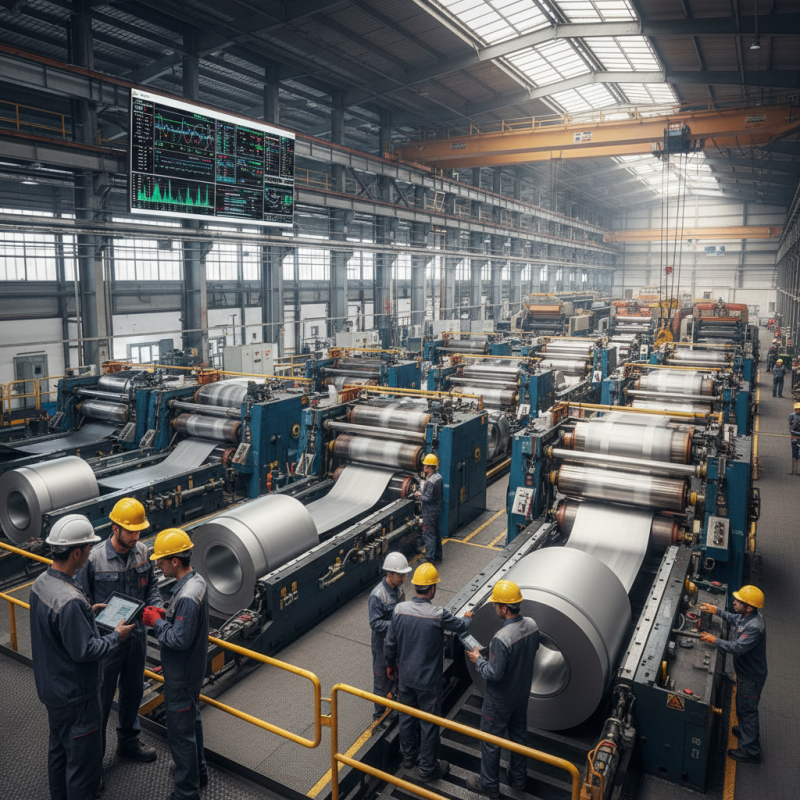
Tandem cold rolling mills play a vital role in metal processing. They efficiently reduce the thickness of metal strips through a series of consecutive rolling stands. Understanding the basic components is key to enhancing their efficiency. The main components include rolls, motors, and hydraulic systems. Each part must function seamlessly for optimal performance.

In operations, factors like speed, temperature, and lubrication impact efficiency. If the rolls are worn, it can lead to increased energy consumption. Regular maintenance schedules are essential for identifying issues before they escalate. Analyzing production data can reveal bottlenecks that slow down the process.

However, challenges arise in balancing speed and quality. High speeds often result in defects that may require additional inspection. It’s vital to find a sweet spot that maintains efficiency without compromising the product. Constant evaluation and adjustment of parameters can lead to improvements, but it can also be a complex task. Understanding these intricacies helps in making mindful decisions.

Key Factors Influencing Efficiency in Cold Rolling Mills

In cold rolling mills, efficiency is critical. A key factor is the rolling speed. Increased speed can lead to higher production but also more defects. Studies show that optimizing speed can improve yield by up to 15%. However, pushing speeds to the limit may compromise quality. Balancing these aspects is essential.

Another important aspect is the temperature control of the metal. Maintaining optimal temperatures ensures uniformity in properties. Data indicates that temperature variations can lead to a decrease in tensile strength by 20%. This highlights the need for precise temperature regulation. Operators must monitor conditions closely. Any deviation can lead to costly rework.

Moreover, the maintenance of equipment plays a pivotal role. A well-maintained mill can operate at higher efficiencies. Reports suggest that regular maintenance can enhance performance by nearly 10%. Yet, some facilities neglect this area. As a result, unaddressed wear and tear can lead to unexpected downtimes. This affects overall productivity significantly, revealing areas for improvement.

2026 How to Optimize Tandem Cold Rolling Mill Efficiency

Techniques to Improve Energy Consumption in Rolling Processes

Optimizing energy consumption in tandem cold rolling mills is crucial. The rolling process is energy-intensive. Small changes can lead to significant savings. Monitoring energy usage in real-time helps identify waste. Sensors on machines detect inefficiencies. Data analysis reveals patterns, showing where to improve.


Employees play a key role in achieving efficiency. Training workers on best practices fosters a culture of energy conservation. Simple habits like turning off equipment when not in use can make a difference. Regular maintenance of machinery reduces energy consumption. Malfunctioning parts lead to increased power usage.


Engaging in process optimization is essential yet complex. Evaluating roll gap settings can impact energy dynamics. Each setting might bring mixed results. Automation systems can also streamline operations but require careful implementation. Balancing technology with human decision-making remains a challenge. Every mill has unique needs. Continuous reflection on energy-saving strategies leads to better outcomes.

Automation and Technology Integration for Enhanced Performance

In the quest for optimized tandem cold rolling mill efficiency, automation plays a crucial role. Integrating advanced technologies can greatly enhance performance. Sensors and data analytics provide real-time monitoring, allowing for quick adjustments. These systems can detect anomalies, which helps reduce wastage. Fast responses to production changes keep operations smooth. However, not all automation solutions fit every mill’s configuration.

Technology must be carefully selected and implemented. There are instances when advanced software does not align with a mill’s unique processes. This creates challenges in achieving the desired efficiency. Moreover, staff training is essential. An automated system is only as effective as the people operating it. Continuous education programs should be established to keep skills updated.

Feedback loops are also necessary. Gathering insights from operators can reveal gaps in the automated systems. Addressing these gaps leads to better integration of technology. Choosing the right level of automation is important. Too much can overwhelm the crew, while too little might slow down operations. Striking the right balance requires reflection and adjustment.

Regular Maintenance Practices to Sustain Mill Efficiency

Maintaining a tandem cold rolling mill is crucial for optimizing its efficiency. Regular maintenance practices can prevent costly downtime and maximize production. One effective strategy is to maintain the lubrication system. Ensure that all moving parts receive adequate lubrication to reduce friction. Neglecting this can lead to premature wear and operational issues.


Another important aspect is inspecting the rollers. Over time, they can wear unevenly. Regularly check them for signs of wear or damage. Addressing these issues early can prevent costly repairs later. This attention to detail can enhance product quality and efficiency.


Tips: Schedule routine checks every few months. Document findings to track wear patterns. Train staff to recognize warning signs of potential failures. This proactive approach can save time and resources. Regular maintenance is not just a task; it’s a commitment to quality. Embrace the small imperfections in the process as opportunities for improvement. Stay vigilant and proactive to maintain optimal performance.