What is Plastic Injection Mold and How Does it Work?

Plastic Injection Molding is a crucial process in the manufacturing industry. It allows for the efficient production of parts used in various products. According to expert Dr. Emily Carson, "Understanding the nuances of Plastic Injection Mold can greatly improve production efficiency."

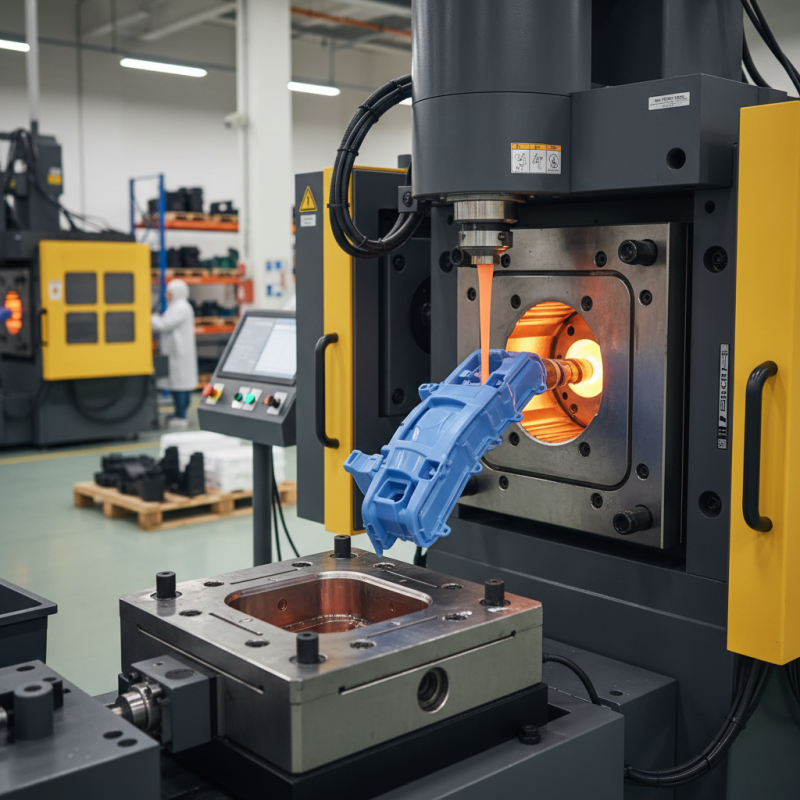
This technique involves injecting molten plastic into a mold. The mold shapes the plastic as it cools and solidifies. The versatility of this method makes it popular across several industries, from automotive to consumer goods. Each mold is unique, often requiring meticulous design and engineering.

However, the process has its challenges. Many manufacturers face issues with mold precision and consistency. A slight error can lead to defects in the final product. Continuous improvement and learning in this area are essential for success. Recognizing these imperfections is key to mastering the art of Plastic Injection Mold.
What is Plastic Injection Mold and How Does it Work?

Definition of Plastic Injection Mold and Its Importance in Manufacturing

Plastic injection molding is a crucial process in modern manufacturing. This technique shapes molten plastic into precise forms using molds. According to industry reports, the global plastic injection molding market is projected to reach over $400 billion by 2026, reflecting its significance. The technology allows for high-volume production of complex parts, which is vital in sectors like automotive and consumer electronics.

Accurate molds are essential for reducing waste and ensuring product consistency. The importance of proper mold design and material selection cannot be overstated. Research indicates that a well-designed mold can enhance production efficiency by up to 30%. In contrast, poor mold choices can lead to defects and higher costs. Manufacturers must prioritize quality to stay competitive.

**Tips:** When selecting materials, consider their thermal stability and durability. These factors greatly influence mold performance. Regular maintenance of molds can prevent costly downtimes. Also, always assess mold costs versus long-term efficiency. Striking the right balance can be challenging, yet it is vital for sustained success in manufacturing.

What is Plastic Injection Mold and How Does it Work? - Definition of Plastic Injection Mold and Its Importance in Manufacturing

Parameter Description
Definition A method of manufacturing plastic parts by injecting molten plastic into a mold.
Process Steps 1. Material heating
2. Injection into the mold
3. Cooling and solidification
4. Ejection of the part
Materials Used Commonly used plastics include ABS, Polypropylene, and Nylon.
Applications Used in automotive parts, consumer electronics, and medical devices.
Advantages High efficiency, reduced waste, and ability to produce complex shapes.
Disadvantages High initial costs for mold creation and limited material options.

Components of a Plastic Injection Mold and Their Functions

A plastic injection mold consists of several key components, each playing a critical role in the molding process. The core and cavity form the essence of the mold. The core is the male part, while the cavity is the female counterpart. Together, they shape the final product. The accuracy of their design directly affects the quality of the molded part. Imperfections in these elements can lead to defects.

Another important component is the injection system. This includes the nozzle and runner. The nozzle introduces the plastic material into the mold. The runner directs the flow to the cavities. If these channels are not designed correctly, material may not distribute evenly. This can create variations in thickness and color in the final product. Therefore, careful planning is vital.

Cooling channels are often overlooked but are essential in the molding process. They help control the temperature of the mold, ensuring the plastic solidifies properly. If these channels are poorly positioned, they can lead to warping or extended cycle times. Designers must reflect on their placement and size to optimize performance. Each component works in harmony, but small flaws can have significant impacts.

Components of a Plastic Injection Mold

This chart illustrates the various components of a plastic injection mold and their impact on the overall efficiency of the injection molding process. Each component plays a crucial role in ensuring quality production.

The Process of Plastic Injection Molding Step by Step

Plastic injection molding is a fascinating process used to create various plastic components. This method begins with the creation of a mold, which is usually made of steel or aluminum. The mold is designed with precision, and any flaws can lead to defects in the final product. The next step involves heating plastic pellets until they become molten. Here, temperature control is crucial; too hot, and the material degrades. Too cold, and it won't flow properly.

Once the plastic is molten, it is injected into the mold under high pressure. This is where timing plays a vital role. If the injection is too slow, bubbles may form. Too fast, and it can lead to uneven filling. After the mold is filled, cooling takes place. The cooling time depends on the part’s thickness. Rushing this process can result in warping or cracking, so precision is key at every stage.

After cooling, the mold opens, and the part is ejected. This moment can be tricky; if the part sticks, it can break or damage the mold. Post-molding, inspection is necessary to identify any imperfections. Sometimes, adjustments to the mold might be needed for future batches. Each step in this process requires careful attention to detail, and even small oversights can impact the final outcome significantly.

Common Applications of Plastic Injection Molding in Various Industries

Plastic injection molding is widely used across various industries. This process creates parts by injecting molten plastic into a mold. It allows for quick production and intricate designs. Many everyday items come from this technology.

In the automotive industry, plastic components are crucial. Bumpers, dashboards, and interior trim are often made with injection molding. This helps reduce weight and costs. Consumer electronics also rely on this method. Cases for smartphones and computer parts are frequently produced in this way.

Packaging is another significant application. Containers, lids, and trays are mass-produced with injection molding. It offers a high level of customization for different needs. However, challenges such as material waste and energy use need to be addressed. The demand for sustainability is growing, pushing for better practices in molding techniques.

Advantages and Disadvantages of Using Plastic Injection Molding Techniques

Plastic injection molding has become a popular manufacturing process due to its unique advantages. One key benefit is efficiency. This technique allows for mass production of identical parts with high precision. Manufacturers can produce complex shapes quickly. Reduced labor costs also attract many.

However, there are disadvantages to consider. The initial setup cost for molds can be quite high. Smaller businesses may struggle with this expense. Additionally, the process has limited flexibility. Once a mold is created, altering its design can be difficult and expensive. Businesses must carefully plan their designs to avoid future headaches.

Another drawback is material waste. While the process is efficient, excess plastic can lead to environmental concerns. Recycling options exist, but they are not always easy to implement. Companies need to weigh these factors before committing. Each project demands a thoughtful approach, balancing benefits with potential issues.