
What is Plastic Packing and Why is it Important for Your Business?
Plastic packing is a crucial element in modern business operations. It refers to the materials used to secure and protect products during storage and transportation. Choosing the right plastic packing can significantly affect your product's integrity and consumer perception. When products arrive damaged, it reflects poorly on your brand.
The importance of plastic packing extends beyond preservation. Effective packing solutions reduce waste and improve sustainability efforts. With rising environmental concerns, businesses must balance protection with eco-friendliness. Exploring options like biodegradable plastics can enhance your brand's reputation.
Many companies overlook the impact of packaging on consumer experience. Well-designed plastic packing can attract customers and communicate quality. Brands that prioritize proper packing often see increased customer loyalty. In contrast, brands that neglect this aspect may face declining trust and sales. Reflecting on your packing strategy can lead to meaningful improvements.
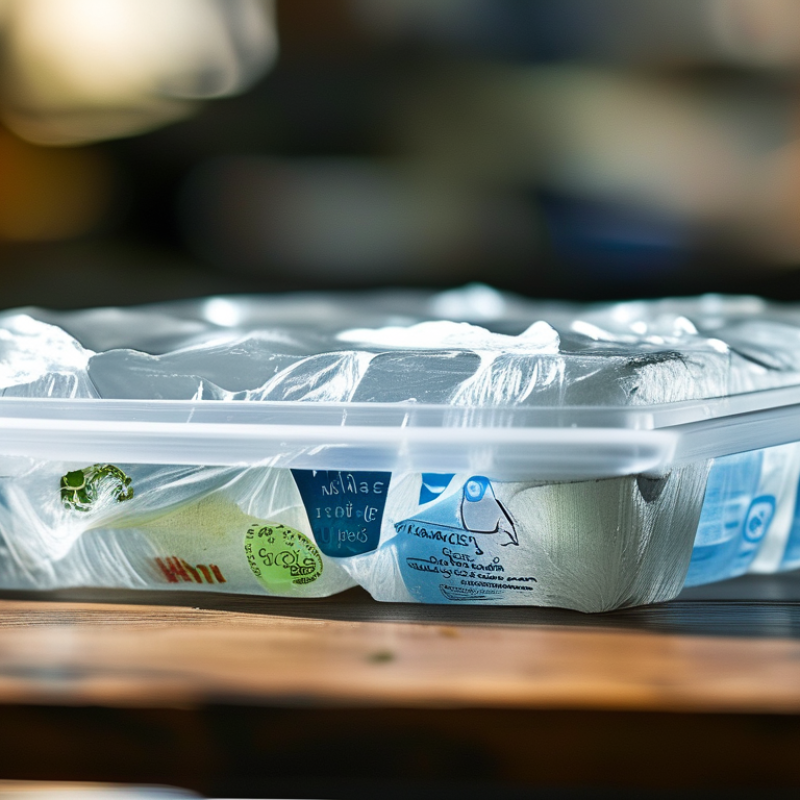
Definition and Overview of Plastic Packing in Modern Industries
Plastic packing plays a critical role in modern industries. It refers to packaging solutions made from various types of plastics. These materials offer exceptional versatility and protection for products during storage and transport. Numerous sectors rely on plastic packing, including food, electronics, and pharmaceuticals. Its lightweight nature reduces shipping costs, while its durability ensures items arrive intact.
When choosing plastic packing, consider the environmental impact. Many plastics can take centuries to decompose. Explore options like biodegradable materials or recycling programs. Every choice matters. Mindful decisions can help minimize waste. Think about innovative solutions that align with sustainability goals.
Tips: Test different packing options to find the most effective solution. Research the best methods for recycling plastic in your area. Engage your team in discussions about reducing plastic use. They may offer unique insights. Rethink your packaging approach for a better future.
Key Types of Plastic Packaging and Their Applications in Business
Plastic packaging plays a crucial role in various industries. From food and beverages to cosmetics and electronics, plastic is essential for protecting products. The global plastic packaging market was valued at approximately $348.9 billion in 2021, and it is projected to reach $500 billion by 2028. This growth reflects the increasing dependency of businesses on plastic solutions for their packaging needs.
Several key types of plastic packaging are widely used. Rigid packaging, such as containers and bottles, is popular for its durability and stackability. Flexible packaging, like bags and pouches, offers lightweight options that reduce shipping costs. According to industry reports, flexible packaging has experienced growth rates of around 4-5% annually, driven by consumer preference for convenience.
Sustainable practices are becoming imperative as well. Many companies are exploring biodegradable and recyclable materials. However, the transition can be challenging. Implementing these innovations often requires significant investment and time. Plastic waste continues to be a pressing issue, sparking debates on the environmental impact of packaging choices. Balancing brand requirements with environmental responsibilities remains a key challenge for businesses today.
Environmental Impact of Plastic Packaging: Risks and Opportunities
Plastic packaging has become an essential part of modern business. However, its environmental impact raises significant concerns. In 2020, around 300 million tonnes of plastic were produced globally, with nearly half used for packaging alone. This statistic highlights the urgency of addressing plastic waste. It is estimated that only 9% of plastic ever produced has been recycled. The rest either ends up in landfills or our oceans, contributing to pollution and harming marine life.
While the risks of plastic packaging are evident, there are opportunities for innovation. Businesses can explore biodegradable and compostable options that minimize environmental harm. Brands that prioritize sustainable packaging could see increased consumer support. A survey from 2021 indicated that 72% of consumers are willing to pay more for products with sustainable packaging. This positive trend affords businesses the chance to reshape their packaging strategies and align with eco-friendly practices.
Nonetheless, the transition to sustainable alternatives is not straightforward. Many green options can be more costly and less durable than conventional plastics. There’s also a need for robust recycling systems to support this shift. Companies must navigate these challenges while critically examining their packaging choices. The balance of reducing plastic use and meeting consumer demands requires careful consideration and commitment.
Market Trends: Growth Statistics in the Plastic Packaging Sector
The plastic packaging sector is growing rapidly, reflecting a broader trend toward convenience and sustainability. According to recent market statistics, the global plastic packaging market is projected to reach over $1 trillion by 2027, with a compound annual growth rate (CAGR) of around 5.2%. This growth is driven by various factors, including urbanization, rising disposable incomes, and increasing demand for food packaging solutions.
Plastic materials offer lightweight, versatile, and protective qualities that traditional packaging cannot match. The food and beverage sector contributes significantly to this growth, accounting for about 40% of the total market share. However, as more consumers prioritize sustainability, companies face pressure to innovate. This includes using biodegradable options and enhancing recycling initiatives. Many reports suggest that 70% of consumers are willing to pay more for sustainable packaging.
Tip: Invest in sustainable materials. Recycled plastics and bio-based options can attract eco-conscious customers.
Despite the advantages, there are challenges to address. Plastic waste remains a significant environmental issue. Businesses must navigate regulations and consumer expectations regarding eco-friendliness. The shift towards responsible sourcing can be demanding, but it's essential for long-term viability.
Tip: Regularly assess your packaging strategies. Evaluate alternatives and track industry trends to stay competitive.
What is Plastic Packing and Why is it Important for Your Business?
| Dimension | Data |
|---|---|
| Global Plastic Packaging Market Size (2023) | $350 billion |
| Annual Growth Rate (CAGR) 2023-2028 | 4.5% |
| Top Application Segment | Food & Beverage |
| Sustainable Packaging Demand Increase | 30% by 2025 |
| Plastic Waste Recycling Rate (2022) | 9% globally |
Regulatory Standards and Best Practices for Sustainable Plastic Use
Plastic packing plays a crucial role in modern business operations. Companies are increasingly turning to sustainable practices, not just for compliance, but to connect with eco-conscious consumers. Recent studies show that 72% of customers prefer brands that focus on eco-friendly packaging options. This trend reflects a growing expectation for businesses to adopt sustainable measures.
Regulatory standards for plastic use are evolving. The European Union's Single-Use Plastics Directive aims to reduce plastic waste significantly by 2025. Meanwhile, the Ellen MacArthur Foundation emphasizes the need for a circular economy approach in packaging. Their research shows that transitioning to sustainable materials can save businesses up to $2 billion annually. However, many firms still struggle to integrate these standards effectively, leading to missed opportunities in innovation and market growth.
Best practices for sustainable plastic use include careful material selection and lifecycle assessment. Many companies fail to analyze the full environmental impact of their packaging choices. By investing in training and expert consultations, businesses can better understand the implications of their packaging decisions. The shift towards sustainable plastic is not just a trend but a necessity for future growth and compliance. Exploring these aspects can lead to more sustainable practices and economic benefits.
Plastic Packing Usage in Industries
This chart illustrates the percentage distribution of different types of plastic used across various industries. Understanding this distribution is crucial for adopting sustainable practices and complying with regulatory standards related to plastic use.