
What is Stainless Tube Mills and How They Benefit Your Business?
Stainless Tube Mills play a crucial role in many industries. These specialized facilities produce stainless steel tubes used in various applications. According to a recent market report by MarketWatch, the global stainless steel tube market is projected to reach $3 billion by 2025, demonstrating significant growth. Industry experts emphasize the importance of quality and innovation in this sector.
Dr. James Thompson, a veteran in stainless steel manufacturing, states, "Investing in modern Stainless Tube Mills ensures higher efficiency and quality." This reflects the ongoing trend toward advanced manufacturing processes. Companies that adopt these innovations can enhance their operations, reduce waste, and improve product durability.
However, not all businesses take full advantage of these technologies. Some still rely on outdated processes, limiting their growth potential. The challenge lies in balancing cost and quality. As the industry evolves, staying informed about advancements in Stainless Tube Mills can significantly impact a company’s success.
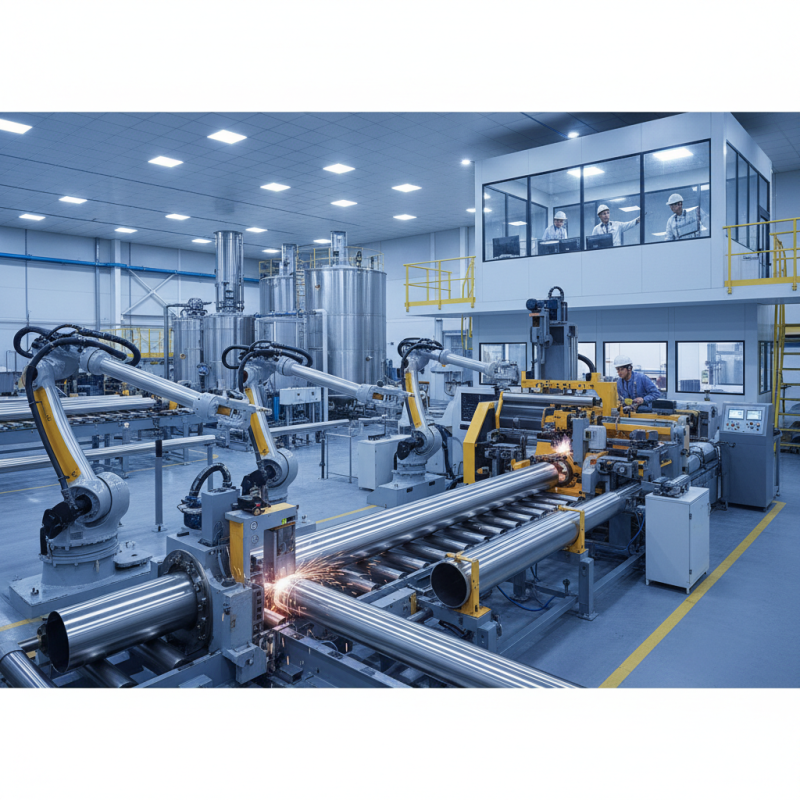
What is Stainless Tube Mills?
Stainless tube mills are specialized manufacturing facilities that produce stainless steel tubes for various applications. These mills utilize advanced techniques to shape and weld metal into different sizes and configurations. According to a recent report from the Global Stainless Steel Market, the demand for stainless steel tubes is projected to grow by 5% annually. This statistic highlights the significance of stainless tube mills in meeting evolving market needs.
The process involves several key stages. Raw stainless steel is initially formed into flat strips. These strips are then rolled and welded into tubes. Notably, precision in this process is critical. A slight variance in welding can impact the integrity of the final product. Regular quality checks are essential to ensure durability and performance standards. Many manufacturers invest heavily in automation to maintain consistent quality, but challenges remain.
The applications of stainless tubes are vast. They are widely used in industries like construction, automotive, and pharmaceuticals. For instance, in the automotive sector, stainless tubes are favored for their strength and resistance to corrosion. However, not all mills can meet the rigorous standards required for high-performance applications. It's important to evaluate a mill's expertise and technology before making procurement decisions. This scrutiny ensures reliability in your supply chain.
The Process of Stainless Steel Tube Manufacturing
The process of stainless steel tube manufacturing is intricate and demands precision. A stainless tube mill begins with raw stainless steel, which is then shaped and formed into tubes through various techniques. These typically include rotary piercing and elongation, which are established methods in the industry. According to industry reports, the global stainless steel tube market is projected to reach approximately $1.2 billion by 2027, reflecting a compound annual growth rate (CAGR) of about 5.4%.
As the tubes are produced, they undergo rigorous testing to meet international standards. This includes checks for dimensions, walls thickness, and overall structural integrity. The American Society for Testing and Materials (ASTM) provides guidelines for these evaluations. Despite advanced techniques, manufacturers still face challenges. Variability in raw materials can affect consistency in production. Even slight deviations can lead to compromised tube quality, highlighting the need for stringent quality control measures.
After the tubes are formed, surface treatments are applied. This enhances corrosion resistance and aesthetic appeal. Techniques like pickling and passivation are common. However, not all treatments guarantee long-lasting results. Some treatments may wear off over time. This underlines the importance of selecting the right treatment process based on the intended application, ensuring continuous performance and reliability.
Key Benefits of Using Stainless Tube Mills for Businesses
Stainless tube mills play a crucial role in manufacturing industries. These mills create high-quality stainless steel tubes, which are vital for a variety of applications. According to a report by Grand View Research, the global stainless steel pipe and tube market is projected to reach $55.37 billion by 2025. This highlights the growing importance of stainless tube mills in supporting business needs.
Using stainless tube mills can significantly enhance your business operations. These mills offer reliable production capabilities. They can produce tubes with various specifications, ensuring customization for specific applications. Data from MarketsandMarkets indicates that demand for high corrosion-resistant materials is rising, especially in the automotive and aerospace sectors. Many businesses have noted a decrease in material wastage by up to 20% when using modern stainless tube mills.
Moreover, the longevity of stainless steel adds to its appeal. Tubes produced from stainless steel resist rust and corrosion effectively. This durability often leads to lower maintenance costs. Repair and replacement can drain resources. Engaging with stainless tube mills can prove beneficial in addressing these issues. The initial investment may seem significant, but the long-term savings make it a worthwhile consideration for many companies. The challenge remains for businesses to assess whether the upfront costs align with projected benefits, ensuring a balanced approach to production needs.
Applications of Stainless Steel Tubes in Various Industries
Stainless steel tubes are widely used in various industries due to their durability and corrosion resistance. In the automotive sector, manufacturers utilize these tubes for exhaust systems and fuel lines. The lightweight nature combined with strength makes them ideal for enhancing vehicle performance. However, challenges arise in sourcing materials that meet stringent quality standards.
In construction, stainless steel tubes play a crucial role in structural applications. They provide robust support for frameworks and are popular for railings and fittings. While their longevity outweighs initial costs, the need for precise fabrication skills creates a bottleneck. This requires skilled labor, something that can sometimes be in short supply.
Moreover, in the food and beverage industry, these tubes are essential for processing equipment. Their non-reactive properties ensure product purity. However, the high level of hygiene required can complicate manufacturing processes. Companies often face difficulties in maintaining standards during production. These challenges highlight the ongoing need for innovation and expertise in the stainless tube mill industry.
Applications of Stainless Steel Tubes in Various Industries
Comparative Advantages over Traditional Tube Manufacturing Methods
Stainless tube mills represent a significant advancement in manufacturing techniques. Unlike traditional tube manufacturing methods, these mills enhance efficiency and precision. A report from the Global Stainless Steel Market indicates that production can increase by up to 30% compared to older methods. This efficiency translates into cost savings for businesses.
Stainless tubes produced in mills offer superior quality. The controlled environment improves wall thickness consistency and surface finish. According to ASTM International, the dimensional tolerance in stainless tube mills can reach up to ±0.5 mm, a noteworthy improvement. This precision is critical in industries like automotive and aerospace, where material reliability is paramount.
Moreover, these mills reduce waste significantly. Traditional methods can generate up to 20% scrap material due to manual adjustments and inaccuracies. By contrast, today’s stainless tube mills utilize advanced automation. However, transitioning to this technology requires upfront investment and skilled technicians. Companies must weigh these factors against long-term benefits and savings.