What is a Suction Hopper and How Does It Work?
A Suction Hopper is a vital tool in marine engineering and dredging operations. Designed to facilitate the effective removal and transportation of sediments, it plays a crucial role in maintaining navigable waterways. This specialized equipment operates using a unique mechanism that generates suction, allowing it to extract materials from the seabed or riverbed efficiently.
Understanding how a Suction Hopper works requires familiarity with its key components. These include the hopper itself, pumps, and discharge systems. The process begins with the hopper filling with dredged materials. That sounds straightforward, but managing the sediment type can pose challenges. For instance, varying densities affect the suction performance. After collection, the materials often face challenges during discharge. This can lead to inefficiencies if not addressed properly.
Despite its advantages, the Suction Hopper is not without drawbacks. Maintenance can be complex. Issues such as blockages may arise, causing delays. Additionally, environmental regulations must always be considered, making operation sometimes cumbersome. Operators must navigate these challenges wisely, ensuring reliable performance while minimizing ecological impact. Understanding the nuances of Suction Hoppers highlights their significance and the ongoing need for innovation in dredging technology.
What is a Suction Hopper?
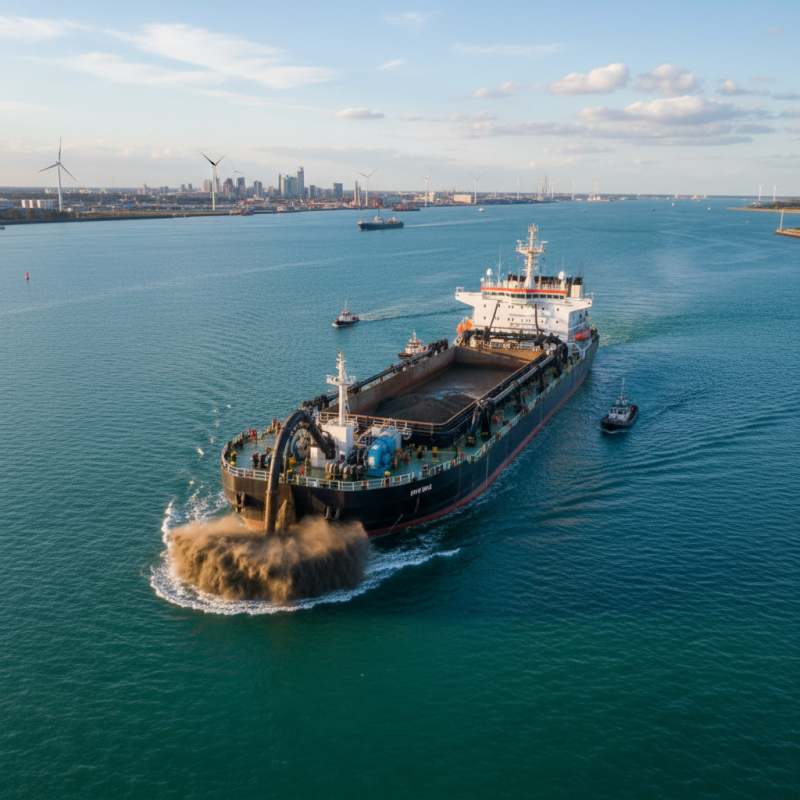
A suction hopper, commonly used in dredging operations, plays a critical role in the marine and construction industries. This equipment efficiently collects and transports sediment from underwater sites. Essentially, it functions like a large container that vacuums material, such as sand and gravel, and retains it for further processing or disposal. According to industry reports, suction hoppers can remove up to 90% of surface sediment in a single pass, making them highly effective.
The design of a suction hopper involves sophisticated engineering to ensure optimal performance. These hoppers are typically equipped with powerful pumps that create a vacuum, allowing them to draw in materials. In some cases, issues such as clogs or mechanical failures can disrupt operations. Regular maintenance is crucial to minimize downtime and maximize efficiency.
Tip: Always inspect the suction nozzle for wear and tear. A damaged nozzle can significantly compromise suction efficiency.
Understanding the operational limits of a suction hopper is essential. This machinery has specific depth and material limitations. Exceeding these limits can lead to inefficiencies and potential hazards. Careful planning and monitoring can help mitigate these risks.
Tip: Keep records of previous dredging operations to improve future planning and execution.
Components of a Suction Hopper Explained
A suction hopper is a crucial component in dredging and marine construction. It primarily serves the function of transporting sediment. Understanding its components is essential for assessing its efficiency. The main parts include the hopper itself, suction inlets, a pump system, and discharge mechanisms.
The hopper is designed to hold the dredged material. Usually made from steel, its shape aids in maximizing load capacity. Suction inlets draw sediment through a series of pipes, which can adjust to varying depths. The pump system then creates the necessary pressure to move the materials through these inlets. According to industry reports, a well-designed suction hopper can increase operational efficiency by up to 20%.
Tips: Regular maintenance of the pump system is vital to ensure longevity. Inspect suction inlets for blockages frequently. Even with the best technology, human error can occasionally affect performance. Workers should undergo training to minimize mistakes. Reliable operation significantly reduces downtime, optimizing productivity.
The discharge mechanism varies based on application. Options include bottom door discharges and pump-out systems. Each has its pros and cons depending on the type of material handled. Some methods may struggle with heavier sediment, indicating areas for improvement in design. Industry experts recommend assessing specific job needs before selecting a suction hopper model.
How Suction Hoppers Operate: A Step-by-Step Process
Suction hoppers are essential in dredging and material transport. Their operation involves several critical steps that ensure efficient performance. Initially, the suction pump creates a pressure differential. This process draws sediment from the seabed into the hopper. The design allows for both soft and hard materials to be collected effectively.
Once the material is inside, the vessel can navigate to a designated dumping site. The hopper holds the material until it reaches this point. The discharge process begins with opening the hopper doors. Gravity plays a key role here, releasing the contents into the water. This method minimizes spillage and ensures a clean operation.
However, challenges can arise during this process. For instance, sediment composition may complicate suction, leading to clogs. Skilled operators must monitor equipment closely to prevent operational issues. Even minor mistakes can lead to inefficiencies. Reflecting on these challenges can improve future operations and enhance overall effectiveness.
Suction Hopper Efficiency Analysis
This chart illustrates the efficiency levels of suction hoppers in terms of their suction capacity measured in cubic meters per hour (m³/h) across different efficiency percentages. The data shows how efficiency impacts performance, providing insights into operational effectiveness.
Applications of Suction Hoppers in Various Industries
Suction hoppers are valuable in various industries. They play a crucial role in construction, dredging, and mining. These hoppers help in transporting materials efficiently. In construction, suction hoppers assist in the removal of debris from sites. They can quickly vacuum up sand, gravel, or waste. This speeds up projects and ensures cleaner job sites.
In dredging applications, suction hoppers are essential. They help in extracting sediment from water bodies. This process improves navigation and recreational areas. However, the efficiency of suction hoppers can vary. Factors such as material type and water conditions play a significant role. Not all suction hoppers perform equally in different scenarios.
The mining industry benefits too. Suction hoppers can move bulk materials quickly. They streamline operations and minimize manual labor. Yet, operators may face challenges. Miscalculations in capacity can lead to inefficiencies. Continuous training and adaptations are necessary to optimize the use of these machines. Understanding limitations can enhance their effectiveness.
Benefits and Limitations of Using Suction Hoppers
Suction hoppers are vital tools in dredging operations. They play a crucial role in sediment removal, enhancing waterways and coastal areas. However, the benefits of using suction hoppers come with notable limitations.
One significant benefit is their operational efficiency. According to industry reports, suction hoppers can remove sediment at rates up to 10,000 cubic meters per hour. This high capacity allows for quick project completion, reducing downtime and costs. Additionally, they can operate in shallow waters, which expands their usability. However, the power required to operate such equipment can lead to high fuel consumption, impacting operational costs.
Despite their advantages, suction hoppers face challenges. They can struggle in rocky or debris-filled environments. This limitation necessitates additional equipment or modifications. Furthermore, there may be environmental concerns. The disturbance to aquatic life and sediment displacement must be carefully managed. Research indicates that improper use can lead to negative ecological impacts, highlighting the need for responsible operations and advanced technologies to minimize harm. Ultimately, while suction hoppers offer substantial benefits, it is essential to recognize their limitations for effective and sustainable use.