
7 Tips for Buying Spectrum Stained Glass Sheets
Choosing Spectrum Stained Glass Sheets can shape a project before the first cut is made. Color, texture, thickness, and light transmission all affect the finished piece. A deep red sheet may look subdued on a workbench, then glow when sunlight passes through it. Small differences matter. Before buying, consider where the glass will sit, how it will be viewed, and which cutting method you plan to use. Check the seller’s listed dimensions and product details, and ask about availability if your design needs several matching sheets. Photos help, but they cannot show every shift in color or surface texture.
These seven tips offer a practical way to compare options without treating a product photo as a guarantee. Look closely at color consistency, texture, sheet size, and possible flaws. Request a sample when one is available. Hold it near a window, then inspect it under indoor light. Note what changes. Also compare the glass with your pattern and tools; a beautiful sheet is not useful if it does not suit the project. Keep purchase details and product descriptions for reference, especially when ordering more than once. Even careful planning has limits: batches may differ, and screens can distort color. That part is easy to overlook. A little uncertainty belongs in the process. The aim is not to eliminate every surprise, but to make informed choices before investing time and materials.
Understand Spectrum Glass Types and Sheet Specifications
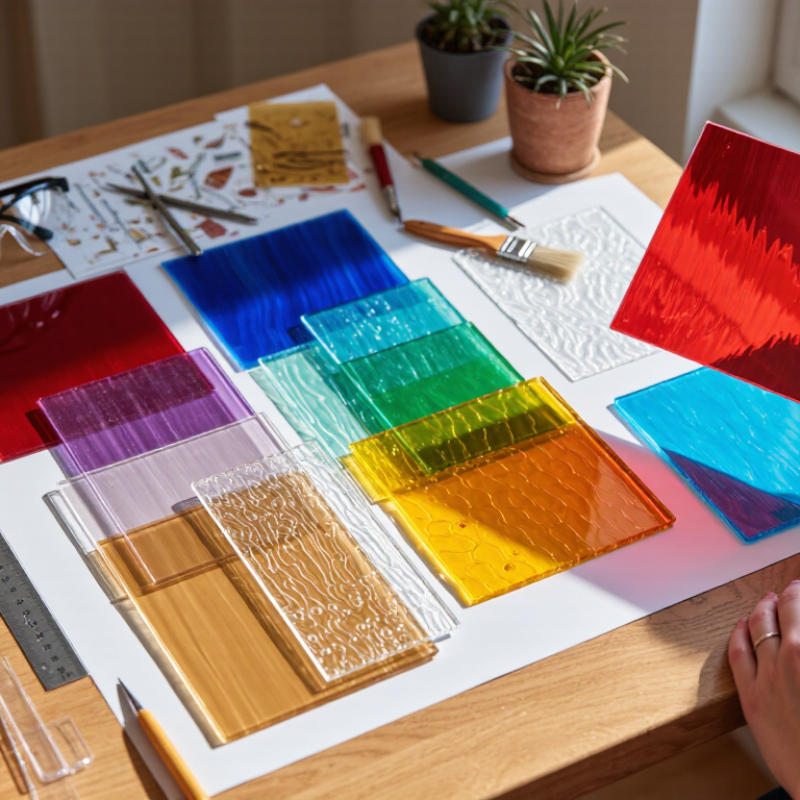
Stained glass sheets can be transparent, translucent, or opaque, and each behaves differently in a window or lamp. Transparent glass passes strong light and keeps painted details visible. Opalescent glass scatters light, softening shapes behind it. Textured or streaky sheets add movement, but their pattern may look different after cutting. Light changes everything. View a sample near a window, then hold it against a darker surface. Color can shift more than expected.
Read the sheet specifications before ordering: dimensions, thickness, surface texture, and any stated color variation. A large sheet may still yield few usable pieces if its pattern is uneven or your design needs narrow cuts. Check whether the supplier lists approximate sheet size rather than exact measurements, and allow room for trimming. For kiln fusing, verify compatibility information from the maker; similar colors do not guarantee compatible behavior. For foil or came work, focus on the edge quality and whether the thickness suits your construction. One easy mistake is choosing by a small sample alone. It may not show the full sheet’s streaks or bubbles. That deserves a second look.
Match Color, Texture, and Transparency to Your Project
When buying stained glass sheets, match color to the light your finished piece will receive. A deep red can look almost brown on a shaded windowsill, then glow beside a lamp. Check samples in both settings. Hold them against white paper, then against a dark background; transparency and reflected color can shift noticeably. NFRC product ratings express visible transmittance on a scale from 0 to 1, but those ratings apply to complete window products, not individual art-glass sheets. Use the scale as context, not a direct prediction. Test it in daylight.
Texture changes the mood and the practical view through a panel. Rippled glass can soften outlines, while dense, pebbled surfaces scatter light and obscure detail. The U.S. Department of Energy’s daylighting guidance considers both daylight quantity and glare, a useful reminder when selecting glass for a bright doorway or work area. Pair a heavily textured sheet with clearer glass where you need definition. Keep a scrap. View it upright, not only flat on a table. I sometimes find a sample beautiful alone but muddy beside its neighbors; lay out several colors together before cutting, and leave room for the actual solder lines, which can darken a delicate pattern.
Check Sheet Quality, Size, and Compatibility
Inspect each stained glass sheet in natural light before purchasing. Look for edge chips, hairline cracks, and uneven thickness, especially near corners. Hold the glass against a pale background to judge its color and transparency. Small flaws matter.
Texture and color can vary across a sheet, even within the same batch. Ask for current photos or inspect the actual piece when possible. Measure your pattern carefully, then compare it with the usable sheet dimensions. Leave room for cutting losses; a snug estimate can become a frustrating shortage. I still find that allowance easy to underestimate.
Check that the glass suits your construction method. For copper foil, confirm its thickness and edges can be cut and ground cleanly. For lead came, consider whether the sheet’s texture and thickness will fit the channel. If the project includes several glass types, compare their thicknesses and how they look beside one another. Test a small offcut if you are unsure. Compatibility is not only about fit: light can make neighboring colors look quite different.
Compare Suppliers, Prices, and Shipping Options
Buying Spectrum stained glass sheets gets easier when you compare suppliers, prices, and delivery together. Ask each seller for the same details: sheet dimensions, thickness, color, texture, and current stock status. A product photo can hide subtle variation, so request a sample or a daylight photo when color accuracy matters. Details matter.
Compare the total cost, not just the listed price. Include cutting fees, minimum orders, packing charges, and shipping. Check whether a quote covers full sheets or smaller cuts; those prices are not directly comparable. A simple table helps. Keep notes. Ask how sheets are packed, whether tracking is included, and what to do if glass arrives cracked. Confirm dispatch estimates rather than assuming quick checkout means quick delivery. Shipping can erase a bargain. A remote address may change the carrier fee, too. I would still leave room for uncertainty: glass can look different under studio lights than it does on a screen.
7 Tips for Buying Spectrum Stained Glass Sheets - Compare Suppliers, Prices, and Shipping Options
| Tip | What to Compare | Price Check | Shipping Check | Practical Action |
|---|---|---|---|---|
| 1. Confirm the exact glass | Color, texture, transparency, and whether the sheet is hand-rolled or machine-made. | Compare the same glass type and listed sheet size; unlike products are not a fair price comparison. | Ask whether the item is in stock and ready to ship. | Request current photos or a sample when exact color and texture matter. |
| 2. Compare sheet dimensions | Published length and width, thickness if specified, and any size tolerance. | Compare cost per usable area only after checking dimensions and likely cutting waste. | Larger pieces may need different packaging or shipping arrangements. | Ask the supplier to confirm the dimensions of the actual sheet being sold. |
| 3. Compare like-for-like prices | Unit price, minimum order, quantity breaks, and any order or handling fees. | Prices vary by glass, size, seller, and destination; request a current written quote rather than relying on an old listing. | Add shipping and applicable taxes to compare the delivered total. | Use the same quantity, destination, and delivery speed for each quote. |
| 4. Check sheet condition and variation | How the seller describes bubbles, seeds, streaks, color variation, and other characteristics of the glass. | Check whether a premium applies to selected or visually matched sheets. | Ask how the seller handles damage noticed before dispatch. | Review the return and replacement terms for damaged or incorrectly described goods. |
| 5. Evaluate protective packaging | Whether sheets are separated, cushioned, and secured in packaging suited to fragile flat items. | Check whether protective packaging or special handling is included or charged separately. | Ask how the package is labeled and protected against movement during transit. | Choose a seller that can explain its packing method for glass sheets. |
| 6. Compare delivery terms | Dispatch estimate, carrier service, tracking availability, and delivery restrictions. | Shipping charges depend on factors such as package size, weight, destination, and service level. | Confirm the delivery estimate, tracking, and any residential or remote-area surcharges. | Get a delivered quote using your postal code before placing the order. |
| 7. Check claims and total cost | Claim deadline, required photos, packaging retention, and refund or replacement process. | Compare the final amount, including glass, shipping, taxes, and stated fees. | Ask whether signature or inspection on delivery is required for a damage claim. | Inspect the package promptly and follow the seller’s documented claims procedure. |
Prices and shipping charges are seller- and destination-specific; confirm current terms directly before ordering.
Plan for Safe Handling, Storage, and Material Waste
Before buying stained glass sheets, measure the largest pieces your project requires and check your work surface. A sheet can look manageable on a counter, then flex when lifted. Wear eye protection and sturdy gloves while moving glass, and keep both hands supporting its edges. Gloves are less useful during precise cutting, so follow your cutter’s safety instructions and keep fingers clear. Slow handling helps.
Plan a storage spot before the sheets arrive. Use a stable rack that supports the glass evenly, with a slight lean and soft separators between sheets. Keep the rack away from doors, busy walkways, and direct heat. Label colors and thicknesses where you can read them without pulling a sheet out. Don’t stack glass flat unless the supplier recommends it; uneven weight can create pressure points. I’ve found that “I’ll move it later” is an easy promise to forget.
Reduce waste with a paper template and a cut list. Allow for the cutter’s line and small errors, rather than planning every piece edge to edge. Keep useful offcuts in shallow, labeled boxes, not loose on the bench. Tiny scraps are easy to overlook. Clear shards with a brush and dustpan, then place them in a sturdy, marked container. Recheck your measurements before cutting; one rushed mark can cost more than a careful plan.