
Ultimate Tips for Caring for Your Cast Iron Casserole?

Caring for a cast iron casserole is essential for its durability and performance. These versatile cooking tools require special attention to keep them in optimal condition. Over time, they develop a natural non-stick surface that enhances cooking.

Using a cast iron casserole can lead to delicious meals, but neglect can cause problems. Rust can form if not dried properly. The seasoning can wear off with excessive scrubbing. A gentle touch goes a long way. Rinsing with hot water is often enough, yet some people overthink cleaning.

Remember, caring for your cast iron casserole is a journey. Every scratch tells a story. It’s tempting to want perfection, but embrace the imperfections. They add character and history to your cookware. Learning from mistakes, like letting it soak for too long, can improve your technique. This is part of the cooking adventure.
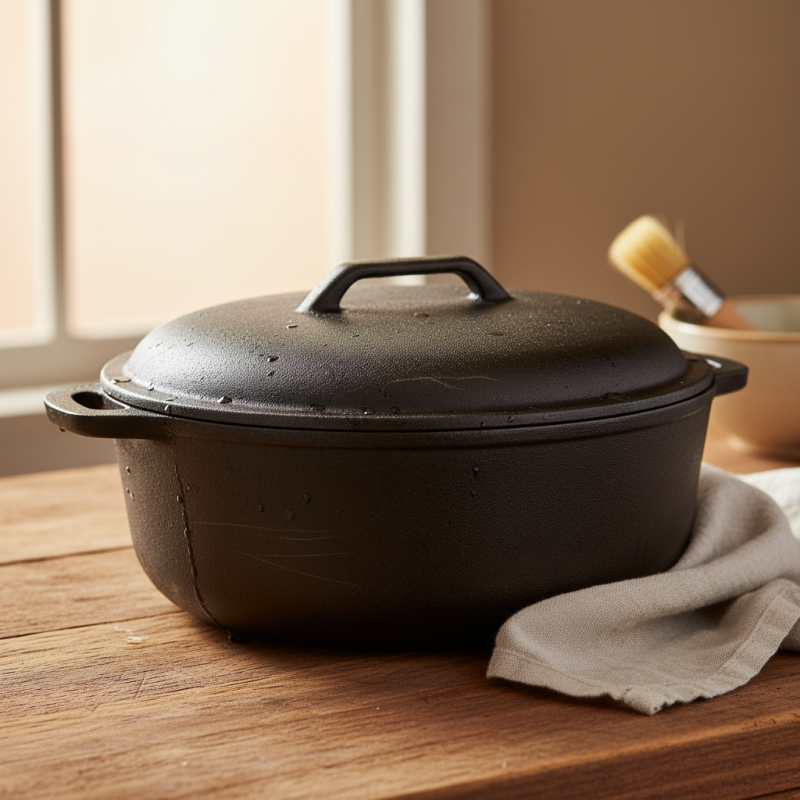
Ultimate Tips for Caring for Your Cast Iron Casserole?

Understanding the Basics of Cast Iron Casserole Care

Caring for a cast iron casserole is essential for its longevity. These durable pots can last a lifetime with the right attention. Moisture is the enemy. After cleaning, always dry it completely to prevent rust. A light coat of oil can help. This creates a protective layer. Over time, seasoning may wear off. Regular re-seasoning is necessary.

Cleaning is often misunderstood. Avoid harsh soaps or steel wool. Instead, use a soft sponge and warm water. Stubborn food can be stubborn, but a paste of coarse salt can do the trick. Remember, the goal is to keep the finish intact while removing residue. If the surface starts to feel sticky, it might need re-seasoning soon.

Using your casserole often is key, too. It thrives on use. Don’t let it sit unused for too long. A well-used casserole develops a natural non-stick surface. It’s okay to feel anxious about making mistakes. Learning is a process. Understanding the materials and their quirks requires time. Embrace the imperfections. Each scratch tells a story.

Ultimate Tips for Caring for Your Cast Iron Casserole

Essential Cleaning Techniques for Cast Iron Cookware

Cleaning cast iron cookware requires a bit of dedication and care. It’s not just about removing food residue. The goal is to maintain its seasoned surface. After cooking, let the casserole cool slightly. Then, use warm water to rinse it. Avoid soap, as it can strip the seasoning. A gentle scrub with a brush or sponge works well.

For stubborn bits of food, try a paste of coarse salt and water. Scrub it gently, and rinse thoroughly. After cleaning, dry it promptly to prevent rust. You might miss a spot, and that’s okay. It's part of the learning curve. Once dry, apply a thin layer of oil to keep it well-seasoned.

Store your casseroles in a dry place. You can place a paper towel inside to absorb moisture. It’s easy to overlook small details like this. Yet, it can make a big difference in longevity. With consistent care, your cast iron will serve you well for years to come.

Effective Seasoning Methods to Enhance Durability

When it comes to caring for your cast iron casserole, seasoning is a key practice. Effective seasoning helps maintain its non-stick surface and enhances durability. It’s about building layers of oil that bond with the iron. Choose oils with high smoke points, like grapeseed or flaxseed oil.

Apply a thin layer of oil to your casserole after every wash. Heat it upside down in the oven at a high temperature. This allows the oil to polymerize, creating a protective coating. Be mindful of using too much oil; it can lead to sticky residue.

Inga, a seasoned cook, says she often fears over-seasoning. “Sometimes, I think I messed it up,” she admits. It’s a process that requires practice. Experimenting with different oils can lead to unexpected results. Just remember that each layer adds to the heritage of your casserole. Embrace the imperfections; they tell a story of your cooking journey.

Storing Your Cast Iron Casserole for Longevity

Storing your cast iron casserole properly is essential for its longevity. After each use, ensure it is completely dry. Water left on cast iron can lead to rust. Store it in a cool, dry place. Moist environments are harmful. A kitchen cupboard or pantry is ideal.

It’s important to apply a light coat of oil before storage. This protects the surface and keeps it seasoned. Use vegetable or flaxseed oil. Both work well for cast iron. Remember, a little goes a long way. Too much oil can cause sticky residue.

Consider using parchment paper between your casserole and the lid or other cookware. This prevents scratching and moisture buildup. Avoid stacking heavy items on top. They can cause dents or warping. These small actions can make a big difference over time. Reflect on your storage practices. Are they keeping your cookware in great shape?

Common Mistakes to Avoid in Cast Iron Maintenance

Caring for cast iron cookware can be tricky. Many users make common mistakes that can harm the longevity of their casserole dishes. For example, a significant number of users often soak their cast iron in water. This can lead to rust, which is detrimental to the material. According to a recent industry report, nearly 40% of cast iron owners admit they overlook proper drying techniques, leading to this issue.

Another frequent mistake is using soap on cast iron. Many believe that soap will help clean the surface effectively. However, soap can strip away the seasoning. A study noted that only 15% of users are aware of this, often leading to flavor loss in their meals. Additionally, improper heating can cause warping. Many cooks preheat their ovens without checking their casserole's temperature tolerance, risking damage.

Finally, neglecting regular seasoning is a common pitfall. Industry professionals recommend seasoning at least every few months. However, a survey found that only 30% of owners follow through on this. The results? Their cast iron cooks unevenly and loses its non-stick properties over time. Small reflections like these in maintenance can greatly impact cooking enjoyment.