Top 5 Tips for Choosing the Best Vertical Expander Machine?
Choosing the right Vertical Expander Machine is crucial for any manufacturing operation. This equipment can significantly enhance productivity and efficiency. However, the process of selecting the best machine is not always straightforward. It requires careful consideration of various factors. One needs to evaluate the machine's specifications, durability, and compatibility with existing processes.
The market is filled with a range of options. Each machine may boast unique features, but not all are equal in quality and performance. Experience in using these machines adds value to your decision-making. It's essential to consult with trusted sources and industry experts. Gather insights from those who have navigated this selection process before. Consider feedback from users who have faced challenges and found practical solutions.
Focusing on the details can prevent costly mistakes. Research the brand's reputation and seek warranty information. Analyze how the Vertical Expander Machine fits into long-term operations. Reflecting on past experiences can guide your choice. This approach ensures you select a machine that meets both current and future needs.
Understanding the Basics of Vertical Expander Machines
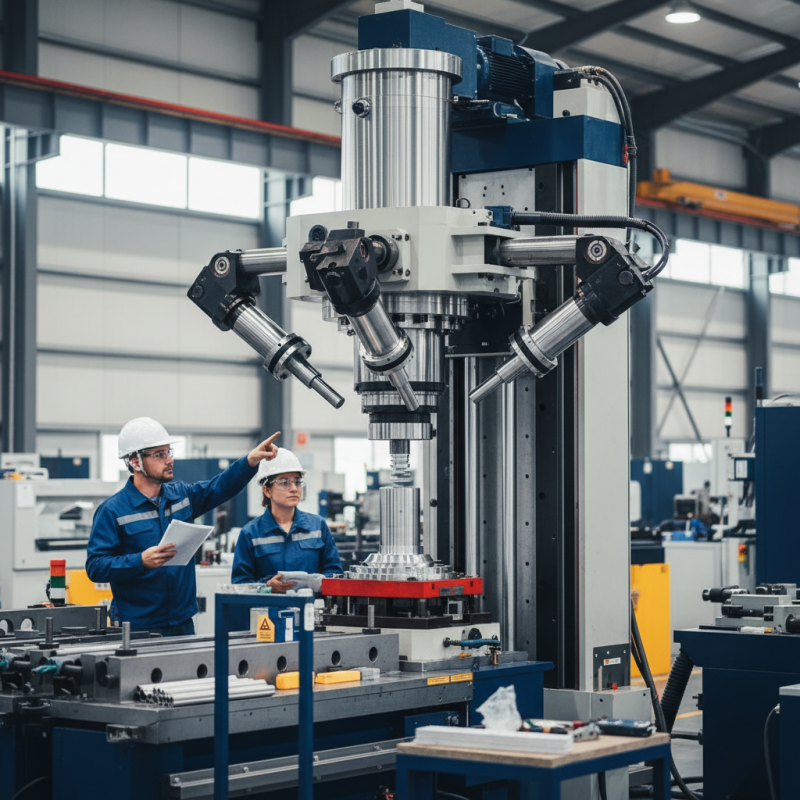
Vertical expander machines play a vital role in various industries, particularly in the manufacturing sector. Understanding their basics is crucial for anyone looking to invest in such equipment. These machines are designed to stretch and shape materials, making them essential for producing items like tubes or sheets. Knowing how they operate helps in choosing the right model.
The key components of a vertical expander include the feeding system, expansion mechanism, and control panel. Each part serves a unique function. The feeding system ensures smooth material entry, while the expansion mechanism performs the stretching. The control panel allows operators to adjust settings, ensuring precision in production. Familiarizing oneself with these aspects fosters a stronger decision-making process.
Selecting the best machine involves considering factors like production capacity and material type. Not all machines are suitable for every application. It’s essential to reflect on specific needs and challenges. Sometimes, the most expensive option isn't the best fit. Each choice comes with trade-offs, and understanding these can lead to better outcomes. Balancing cost and functionality can be tough but is key in the long run.
Key Features to Look for in a Vertical Expander Machine
When selecting a vertical expander machine, certain key features should guide your decision. The machine's capacity is crucial. According to a report by Industry Research, machines with a higher capacity are preferred for larger production needs. Look for options offering customizable capacities to cater to evolving demands.
Another important consideration is the type of expansion mechanism. Efficient pneumatic or hydraulic systems tend to have better performance. Data from Machine Efficiency Reports shows that hydraulic systems can provide greater power with less energy consumption. This can greatly enhance overall production efficiency.
User-friendliness is also significant. A well-designed interface and easy operation reduce training costs and time. However, some machines may appear simple but lack advanced functionalities. Be wary of models that sacrifice quality for ease of use.
Maintenance requirements should not be overlooked. Some machines need frequent servicing, which can increase operational costs. A reliable machine can ensure longevity, yet over-reliance on features without understanding machine workings can lead to problems. Always assess a machine’s long-term viability before committing.
Top 5 Key Features to Look for in a Vertical Expander Machine
Assessing the Required Size and Capacity for Your Needs
When selecting a vertical expander machine, understanding the required size and capacity is crucial. The machine's specifications should align with your production needs. Measure the materials you commonly use. This ensures that the machine can handle the volume efficiently.
Consider the type of projects you'll be undertaking. For smaller tasks, a compact unit may suffice. However, if you expect larger operations, a robust model is necessary. Evaluate your space too; the machine should fit well within your workshop layout without causing congestion.
Assessing operational ease is key. Some models provide user-friendly interfaces, while others might require more training. You might find it challenging to adapt to complex systems. Prioritize machines that balance functionality with simplicity. This can save time and reduce frustration in daily tasks. Always think critically about your choices. Reflect on what features truly meet your needs.
Top 5 Tips for Choosing the Best Vertical Expander Machine
| Tip | Description | Required Size (L x W x H) | Capacity (Units/Hour) | Power Requirement (kW) |
|---|---|---|---|---|
| 1. Assess Your Space | Evaluate the available space for installation to ensure the machine fits. | 200 cm x 150 cm x 180 cm | 100 Units | 5 kW |
| 2. Determine Your Production Needs | Identify the volume of products you need to produce daily. | 250 cm x 200 cm x 200 cm | 150 Units | 7 kW |
| 3. Evaluate Machine Features | Consider features like speed, automation, and adaptability. | 220 cm x 160 cm x 190 cm | 120 Units | 6 kW |
| 4. Check Energy Efficiency | Focus on machines that save energy and reduce operational costs. | 230 cm x 170 cm x 195 cm | 130 Units | 4 kW |
| 5. Consider Maintenance Requirements | Choose a machine with easy maintenance and support services. | 240 cm x 180 cm x 200 cm | 140 Units | 5.5 kW |
Evaluating Brand Reputation and Customer Reviews
When selecting a vertical expander machine, examining brand reputation and customer reviews is crucial. According to recent industry reports, over 70% of buyers rely on online reviews for decision-making. This statistic highlights the importance of customer feedback in gauging product quality. Brands with consistently high ratings often show a commitment to excellence in their manufacturing processes.
Common issues arise in customer feedback, including durability concerns and operational efficiency. Some users report mechanical failures within the first year of use. Reading multiple reviews can provide a clearer picture of a machine's reliability. Research indicates that machines with high customer satisfaction ratings often have a lower return rate, signaling better performance. Additionally, checking if a brand actively addresses negative feedback can reflect their dedication to customer service.
Analyzing brand reputation means looking beyond star ratings. It’s beneficial to explore testimonials from industry experts that discuss specific features. Detailed reviews focusing on functionality or ease of use can yield valuable insights. Striking a balance between expert opinions and user experiences can lead to more informed choices. Some brands may excel in one area, while lacking in another, so discerning potential trade-offs is essential.
Budget Considerations: Finding the Right Price Point
When selecting a vertical expander machine, budget considerations are crucial. The right price point often reflects the machine's quality, features, and durability. Typically, affordable models may lack advanced features. Investing a bit more can lead to better performance and longevity. Consider machines in the mid-range; they often strike a balance between cost and quality.
It's wise to analyze your specific needs before making a purchase. Determine how often you will use the machine. Do you need advanced settings or basic functionality? This clarity will guide your budget. Buying a machine that exceeds your needs can lead to wasted resources. On the other hand, cutting corners might result in costly repairs.
Always check reviews and seek advice from industry experts. Look for real-life testimonials regarding the machines you’re considering. Be cautious of overly enthusiastic claims. Sometimes, a low price may hint at hidden issues. A thorough evaluation will save money in the long run.