Top Tips for Choosing a Perforated Mesh Machine for Import?
Choosing the right Perforated Mesh Machine is essential for anyone involved in manufacturing or importing mesh products. With various options available, it can be challenging to determine which machine fits your needs best. First, consider the machine’s specifications, such as hole size and mesh thickness. These factors affect the final product's quality.
Quality matters. A reliable machine can enhance production efficiency and reduce waste. It's crucial to research different manufacturers and understand their reputation. Look for those with a proven track record in the industry. Reading user reviews can provide valuable insights into their performance and reliability.
Take time to reflect on your specific requirements. Analyze your production volume and the types of materials you'll be working with. This evaluation will help narrow down your choices. Investing in the right Perforated Mesh Machine can lead to improved output and overall success in your business.
Understanding the Different Types of Perforated Mesh Machines Available
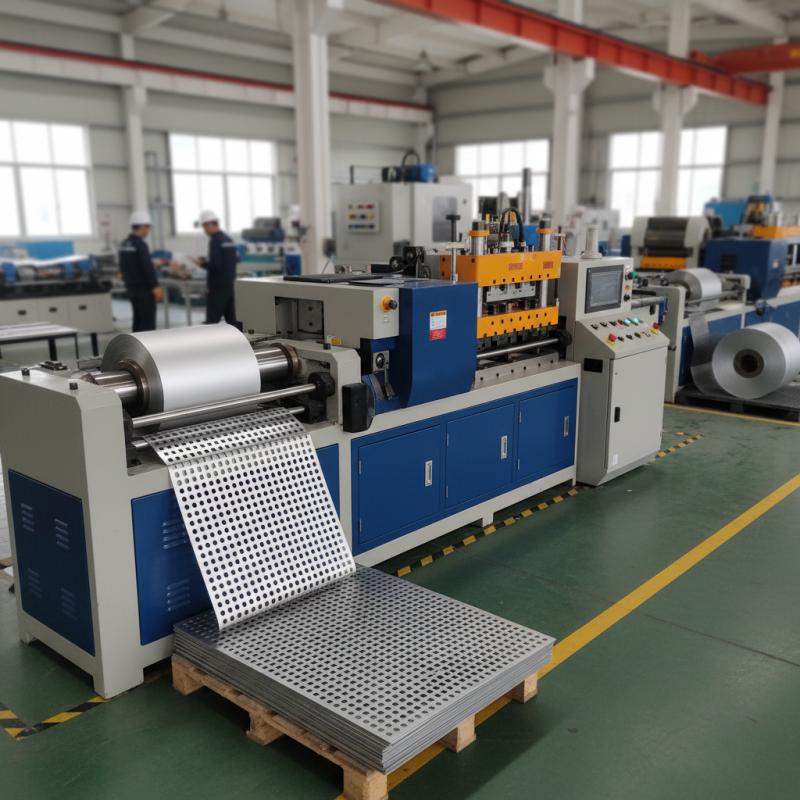
When selecting a perforated mesh machine, understanding the different types available is crucial. Various types include CNC perforators, rotary die perforators, and laser perforators. Each type caters to specific applications and materials. According to a recent market analysis, the global perforated metal market is projected to grow by 6.5% annually, highlighting the increasing demand for efficient production technologies. The right machine can make or break your production efficiency.
Tip: Identify the materials you’ll be working with. Different machines have unique capabilities suited for particular materials like stainless steel or aluminum. For instance, CNC machines excel in precision but may require more setup time. Rotary die machines offer faster throughput but may have limits on material thickness.
Working with different machines involves trade-offs. Some machines offer high speed but may sacrifice precision. Others provide accuracy but at a slower pace. Regular maintenance and the choice of the right accessories can impact machine longevity and performance. Research industry reports to gauge expected machine lifespan and maintenance costs, as this will guide your decision-making process effectively.
Key Features to Consider When Selecting a Perforated Mesh Machine
When choosing a perforated mesh machine, several key features play a crucial role. One vital aspect is the material of the machine itself. High-quality steel is favorable. It offers durability and longevity. Think about the thickness of the perforations as well. This affects the material’s strength and functionality. Machines that support different perforation sizes provide greater versatility.
Another important feature is the machine’s operating speed. Higher speeds can improve efficiency but may lead to lower quality output. Consider how easily the machine can be maintained as well. Regular maintenance ensures consistent performance. Complexity in maintenance can be a downside to some models. Reflecting on customer feedback can help identify these issues.
Lastly, support and service from suppliers matter greatly. Reliable technical support can save time during breakdowns. Quality training resources can enhance staff proficiency. It's essential to weigh these aspects carefully. Innovations in technology often bring improvements, but mixed reviews are common. Balancing these factors requires careful thought and consideration.
Top Tips for Choosing a Perforated Mesh Machine
Industry Standards and Certifications for Perforated Mesh Machinery
Choosing the right perforated mesh machine is critical. Industry standards play a key role in this process. Important certifications include ISO 9001, which ensures quality management, and CE marking, indicating compliance with European safety standards. These certifications help buyers assess an equipment's reliability and efficiency.
A report from the Machinery Manufacturers Association highlights that machines certified under these standards tend to deliver 15-20% better performance. Compliance reduces the risk of operational failures. Without these standards, it is easy to overlook essential safety features.
Understanding the intricacies of these certifications is crucial. For example, high-quality machines often have better materials and superior workmanship. A lack of certification or unclear documentation might lead to increased maintenance costs. In the long run, this perspective can save money.
Cost Analysis: Budgeting for Your Perforated Mesh Machine Investment
When investing in a perforated mesh machine, budgeting plays a crucial role. The initial purchase costs can vary widely, often ranging from $20,000 to $100,000. This range reflects different specifications and capabilities. According to industry reports, an average business may spend about $50,000. Understanding these costs helps in setting realistic financial expectations.
Apart from initial investment, ongoing operating costs must be considered. Maintenance, training, and energy expenses can add up. For instance, maintenance typically accounts for 15% of the total operational budget annually. If a company spends $50,000 initially, it could incur around $7,500 annually just for maintenance. This detail underlines the necessity of understanding long-term financial commitments.
Moreover, hidden costs may arise during the import process. Taxes, tariffs, and shipping fees can inflate the final price. In some cases, businesses report unexpected costs increasing their total expenditure by 20% or more. Planning for these scenarios ensures better financial stability throughout the machine's lifecycle.
Maintenance Considerations for Perforated Mesh Machines and Longevity
When selecting a perforated mesh machine, maintenance is a crucial factor. Regular upkeep ensures optimal performance and extends the machine’s lifespan. Different machines require various maintenance routines. Familiarizing yourself with these specifics can prevent unexpected breakdowns.
Cleaning is an essential part of maintenance. Dust and debris can accumulate, affecting the machine’s efficiency. Implementing a consistent cleaning schedule can mitigate this. Regularly check the machine's components for wear. Noticing tiny issues early can save you from larger, costly repairs later on.
Another important aspect is lubrication. Proper lubrication of moving parts reduces friction. This not only enhances performance but also prevents overheating. However, too much lubrication can attract dust and cause problems. Finding the right balance is key to a long-lasting machine. Overall, proactive maintenance promotes reliability and efficiency in perforated mesh machines.
Top Tips for Choosing a Perforated Mesh Machine for Import - Maintenance Considerations for Perforated Mesh Machines and Longevity
| Criterion | Importance Level | Maintenance Frequency | Expected Lifespan |
|---|---|---|---|
| Build Quality | High | Weekly | 10-15 years |
| Ease of Use | Medium | Monthly | 8-12 years |
| Power Consumption | High | Quarterly | 5-10 years |
| Part Availability | Medium | As needed | 10-15 years |
| Manufacturer Support | High | Annually | 12-20 years |