Top 10 Benefits of Access Floor Tiles for Your Project?
Access Floor Tiles are becoming increasingly popular in modern construction projects. The flexibility they offer can significantly enhance workspace design. According to a recent report by Research and Markets, the global market for access flooring is expected to grow significantly, reaching $4.2 billion by 2026. This trend highlights the growing recognition of Access Floor Tiles as a critical component in efficient building practices.
These tiles allow easy access to wiring and piping systems. They support better airflow and temperature control, which is crucial for data centers. Enhanced air quality can improve productivity, according to the World Green Building Council. However, not all installations are seamless. Challenges such as improper layout or inadequate load-bearing capacity can undermine their effectiveness. It's essential to consider both the advantages and the potential pitfalls when integrating Access Floor Tiles into your design.
In an era where adaptability is key, Access Floor Tiles offer a solution for evolving needs. They can accommodate changes in technology and workspace requirements. Yet, careful planning and expert installation remain vital to fully leverage their benefits. Exploring these tiles can lead to improved functionality in a variety of projects.
Benefits of Enhanced Cable Management with Access Floor Tiles
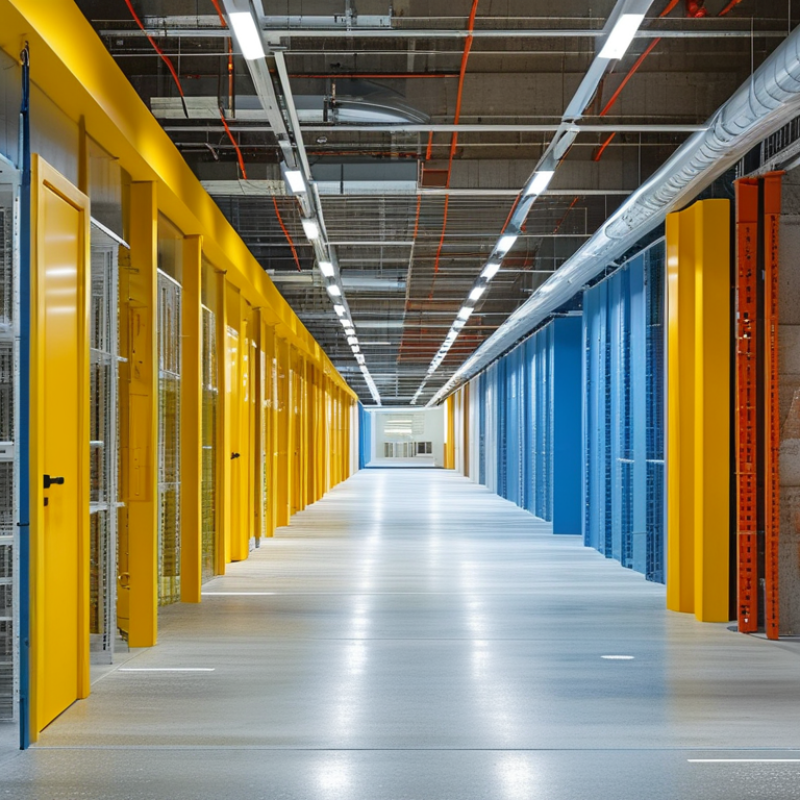
Access floor tiles significantly enhance cable management in office environments. Using these tiles provides convenient access to various cables, allowing for streamlined organization. By incorporating raised access floors, users can easily make adjustments without disrupting the entire workspace. This is especially important in dynamic office settings where technology evolves rapidly.
Effective cable management reduces clutter and minimizes the risk of accidents. Employees can work efficiently without tripping hazards. The organized layout promotes better airflow, reducing potential overheating of equipment. It’s crucial to plan cable pathways carefully to ensure maximum accessibility. Reflection on the layout can improve both aesthetics and functionality.
When designing your access floor system, consider future changes. Flexibility is key as technology needs shift. Periodically reassess the effectiveness of your setup. Continuous evaluation of the space will help maintain an efficient and organized work environment. Allocating time to this process can prevent future headaches.
Improved Air Circulation and Temperature Control in Elevated Floor Systems
Elevated floor systems have gained popularity, especially in modern architectural projects. One significant advantage is improved air circulation. With a space beneath the raised floor tiles, air can flow freely. This airflow reduces hot and cold spots in a room. Maintaining consistent temperature comfort becomes easier.
Temperature control is another vital benefit. In traditional flooring, ductwork and vents can restrict airflow. Elevated floors allow for more efficient cooling and heating systems. Hot air rises, but with an open space, it can disperse evenly. This system promotes energy efficiency, potentially lowering utility bills.
Yet, there are challenges that require attention. Regular maintenance is essential to prevent dirt and debris from clogging airflow. Sometimes, users may overlook the importance of this upkeep. Additionally, design choices might limit airflow effectiveness if not well thought out. These considerations underscore the need for careful planning in any project using elevated floor systems.
Flexibility for Future Reconfigurations in Office and Industrial Spaces
Access floor tiles are becoming essential in modern office and industrial spaces. These systems allow for easy reconfigurations without major renovations. A report from the International Facility Management Association indicates that 80% of businesses face frequent layout changes. This makes flexibility a priority for many organizations. Access floors help address this challenge effectively.
Flexibility also influences productivity. Research shows that adaptable workspaces can improve employee satisfaction by up to 30%. Quick adjustments can accommodate new technologies and emerging work styles. Moreover, access floors facilitate easy cable management and HVAC systems. This simplicity reduces downtime during transitions. However, there can be a learning curve when managing these systems. Organizations must ensure their teams are well-trained.
Maintaining an open dialogue about spatial needs is vital. Employees can feel overwhelmed by too many configurations. Space should remain functional and not just trendy. Regular feedback from users about the access floor’s layout can drive better design choices. In this way, attention to detail in planning becomes crucial. A strategic approach can ensure that these floors serve not only today’s needs but also tomorrow’s unforeseen changes.
Easy Maintenance and Accessibility of Utilities with Access Floors
Access floor tiles offer significant advantages, especially in their maintenance and accessibility of utilities. These floors provide a hidden space for wiring and plumbing, keeping the area neat. When utilities need access, simply lifting a tile reveals the underlying systems. This feature reduces the disruption to your workspace. No more digging through walls or disturbing furniture.
Moreover, maintaining an access floor is straightforward. Regular cleaning involves only a quick wipe and occasional tile adjustments. This simplicity is refreshing when compared to traditional flooring. However, some users may underestimate the importance of routine checks. Tiles can shift or become loose over time, requiring attention. Individuals should be proactive in ensuring their floors remain in top condition for safety and functionality.
Access floors also facilitate future changes in design and layout. Modifying office space or installing new technology becomes easier. There's less downtime when changes are needed. Though some may find the initial installation process challenging, the long-term benefits outweigh the early hurdles. In the end, access floor tiles provide a blend of practicality and innovation, making them an asset for any project.
Top 10 Benefits of Access Floor Tiles for Your Project
Sound Insulation and Acoustics Improvement Using Access Floor Tiles
Access floor tiles offer numerous advantages, particularly in improving sound insulation and acoustics within commercial spaces. Studies indicate that the proper installation of access floor systems can enhance sound absorption by as much as 50%. This can significantly reduce noise levels, creating more productive environments for employees. Reducing sound transmission is vital in open office layouts, where distractions can hinder focus and productivity.
The materials used in access floor tiles contribute to their acoustic properties. For instance, tiles made with mineral fiber or specialized acoustic membranes can minimize sound reverberation. According to industry reports, these tiles can achieve an impact insulation class (IIC) rating of 50-60, which is commendable for modern office settings. This performance helps mitigate unwanted noise, allowing for clearer communication and improved morale among staff.
However, the installation process requires careful consideration. Poorly installed tiles may lead to gaps or inconsistent surfaces, diminishing their acoustic benefits. Selecting the right type of tile and ensuring professional installation are critical factors for maximizing performance and efficacy. Building managers should weigh these factors when choosing access floor solutions to ensure that they meet their acoustic needs effectively.