Top 10 Slitter Cutter Machine Benefits You Should Know?
The Slitter Cutter Machine plays a crucial role in various manufacturing processes. It efficiently cuts materials into desired widths and lengths. Many industries rely on this technology for precise operations. Understanding its benefits can significantly impact production efficiency.
One major advantage is the machine's ability to enhance productivity. With its fast cutting speeds, businesses can meet high demand. Moreover, the slitter cutter ensures uniformity in cuts. This consistency minimizes waste and improves material utilization.
However, companies may encounter challenges when integrating this machine. Training staff and maintenance can be a concern. It requires investment and thoughtful planning. Businesses need to weigh these aspects against the potential benefits. The rewards of improved efficiency and reduced costs are undeniable. Embracing the Slitter Cutter Machine can lead to significant growth opportunities in production.
Top 10 Advantages of Slitter Cutter Machines in Material Processing
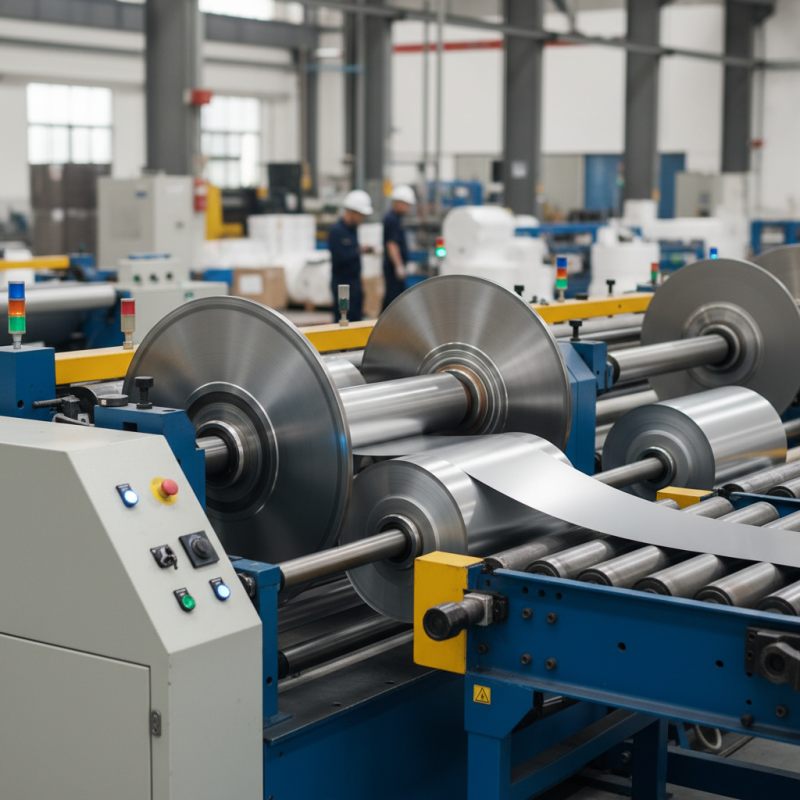
Slitter cutter machines are vital in the material processing industry. They increase efficiency significantly. According to recent industry reports, these machines can boost production rates by up to 30%. This efficiency is crucial for manufacturers seeking to meet high demand quickly.
One of the standout features is precision cutting. Slitter cutter machines ensure that materials are cut uniformly. This reduces waste by as much as 15% in some applications. Additionally, operators have reported improved safety measures with these machines. Less manual handling is required, leading to fewer workplace accidents.
However, it's essential to consider the initial investment costs. While savings on material waste are evident, the purchase price can be a hurdle for smaller companies. Training staff to operate these machines can also require time and resources. These challenges highlight the need for careful planning. Companies must weigh the benefits against costs and operational changes. Balancing these factors is key to maximizing the advantages of slitter cutter machines in production processes.
Enhanced Precision: How Slitter Cutters Improve Cutting Accuracy by 0.01 mm
Slitter cutters play a pivotal role in the manufacturing sector, particularly in industries like packaging and textiles. Their main advantage is enhanced precision. Slitter cutters can achieve cutting accuracy of up to 0.01 mm. This level of detail is crucial for producing high-quality products. According to recent industry reports, companies that utilize advanced slitting technology see a significant reduction in waste material.
Consider the impact of this precision on production efficiency. When the cutting is accurate, it reduces rework. A reduction in rework can cut costs associated with labor and materials. It is estimated that manufacturing errors can cost companies 10-20% of their total production expenses. Achieving such precision, however, can be challenging. Poor machine maintenance can lead to inaccuracies in cutting. Regular calibration is essential to maintain that 0.01 mm accuracy.
Moreover, the design of slitter cutters can affect the cutting process. The blade material and geometry play a significant role in effectiveness. Manufacturers often overlook regular blade inspections, which can compromise precision. Implementing a routine check can help achieve more consistent cutting results. While slitter cutters offer numerous benefits, there are potential pitfalls that companies must address to truly harness their capabilities.
Increased Efficiency: Reducing Waste and Boosting Production Rates up to 30%
In the world of manufacturing, efficiency is key. A slitter cutter machine can remarkably enhance efficiency. It minimizes waste, which can otherwise impact profit margins. By improving the cutting process, production rates can surge up to 30%. This increase leads to a more productive operation, allowing companies to make the most out of their resources.
Waste reduction goes beyond just material loss. It also means less time spent on rework and adjustments. Poor initial cuts often cause delays. Slitter cutters help ensure precise cuts on the first attempt. Yet, achieving this efficiency is not without challenges. Proper training and equipment maintenance are essential. If a machine is not calibrated correctly, the benefits can quickly vanish.
Moreover, while the machine boosts output, operators must remain vigilant. They need to monitor the workflow closely. Over-reliance on technology might create blind spots. Careful oversight is necessary to maintain optimal performance. Embracing a slitter cutter machine can yield substantial gains, but it comes with its own considerations. Balancing technology with human insight is crucial to fully harness its advantages.
Versatility of Slitter Cutter Machines: Adapting to Various Materials and Thicknesses
Slitter cutter machines are incredibly versatile. They adapt to different materials with ease. Whether you are working with paper, plastic, or metal, these machines handle various thicknesses well. This adaptability makes them ideal for industries that require precision. Manufacturers often struggle with material waste. However, slitter cutter machines can optimize usage, reducing costs in the long run.
One notable feature is their ability to create customized slits. This flexibility allows businesses to meet specific requirements. In some cases, however, achieving the perfect cut can be challenging. Operators must pay close attention to settings and feed rates. Even a small error can lead to imperfections. Training is essential to maximize the benefits of these machines.
Waste management is another critical aspect. Slitter cutter machines generate scrap that needs proper disposal. Companies sometimes overlook this factor. A well-planned approach to waste can enhance overall efficiency. Adapting to different applications is not without its challenges, but the rewards can be significant. The versatility of these machines can revolutionize production processes when utilized effectively.
Cost-Effectiveness: The Long-Term Savings on Labor and Material Waste Management
In the world of manufacturing, slitter cutter machines play a vital role. Their cost-effectiveness is often highlighted in discussions about operational efficiency. One notable benefit is the long-term savings on labor costs. With automated systems, fewer workers are needed to operate machinery. This transition can reduce overhead expenses significantly. However, companies need to invest initially in training staff to manage advanced machines.
Moreover, material waste management becomes easier with slitter cutter machines. These machines ensure precise cuts, minimizing scrap materials. For instance, in industries dealing with paper or plastic, inaccurate cuts can lead to substantial losses. While it's easy to overlook, this point is crucial. Many organizations may hesitate, thinking the technology is expensive. They often miss the cumulative savings from reduced waste and labor.
It's essential to reflect on the implementation challenges as well. Not all businesses may fully utilize slitter cutter machines. Some may experience a learning curve or initial resistance from workers. Investing in new technology requires a mindset shift. Companies must ensure that their teams are ready to adapt. This approach ensures the maximization of both labor and material savings over time.