Top 10 CNC Machine Tools Every Buyer Should Consider?
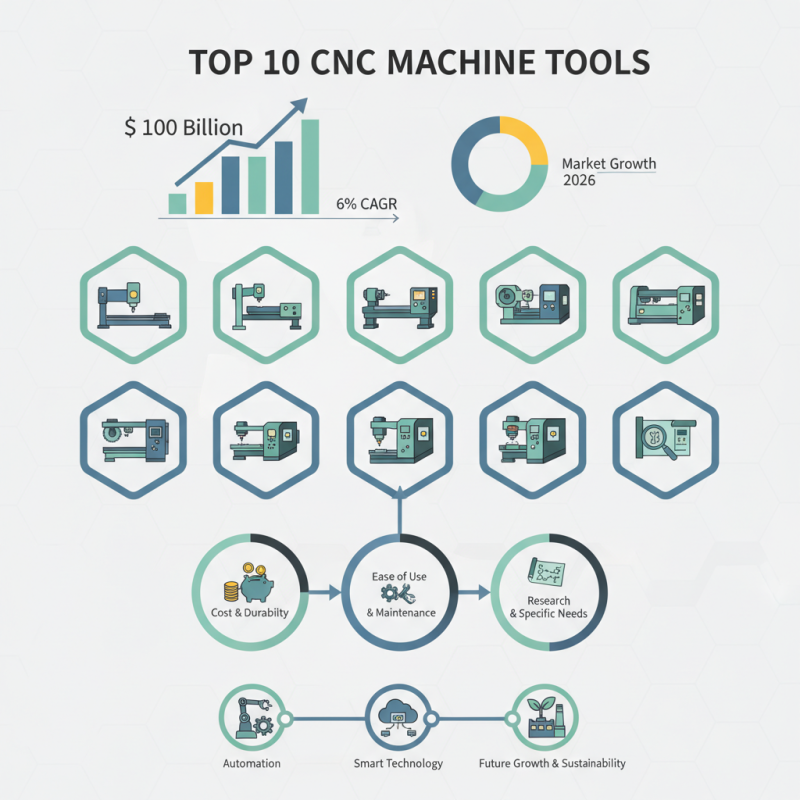
CNC machine tools are vital in modern manufacturing. According to recent industry reports, the CNC machining market is projected to grow significantly. In fact, it is expected to reach USD 100 billion by 2026, with a compound annual growth rate (CAGR) of over 6%. This growth reflects the increasing demand for precision and efficiency in production processes.
Choosing the right CNC machine tools can be overwhelming for new buyers. There are numerous options available, and each tool comes with unique features and capabilities. In many cases, buyers may overlook essential factors like cost, durability, and ease of use. Detailed research is crucial to avoid costly mistakes and ensure the chosen tools meet specific production needs.
As the industry evolves, innovations continue to emerge. Factors such as automation and smart technology play a significant role in shaping the future of CNC machine tools. Buyers need to stay informed and adapt to these changes. Ultimately, selecting the right tools is not just about current needs but also about future growth and sustainability in manufacturing.
Top CNC Machine Tools Revolutionizing Precision Engineering
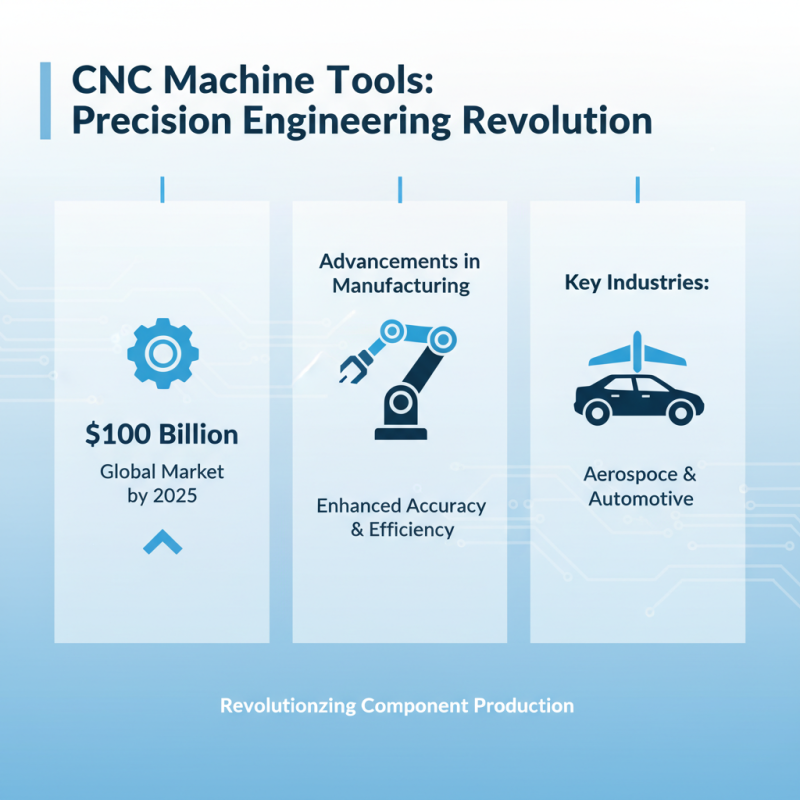
In the realm of precision engineering, CNC machine tools are pivotal. Recent industry reports show that the global CNC machine market is projected to reach $100 billion by 2025, driven by advancements in manufacturing technologies. The ability of CNC machines to perform intricate tasks has revolutionized how components are produced. These tools enhance accuracy and efficiency, making them essential in industries such as aerospace and automotive.
A growing trend is the integration of artificial intelligence in CNC machines. This development allows for real-time monitoring and adjustment, significantly reducing production errors. According to research, AI-enhanced CNC tools can minimize waste by approximately 20%. However, not all companies have adopted these innovations. Some still rely on outdated methods, which can lead to inefficiencies and increased costs.
Another important factor is the skill gap in the workforce. While the technology is advancing rapidly, many operators lack the training necessary to fully utilize CNC capabilities. A 2021 survey indicated that 30% of CNC operators feel unprepared to handle advanced machinery. This disparity raises concerns about productivity and innovation in the industry. Reflecting on these challenges can provide insights into the future of precision engineering.
Key Features to Evaluate When Purchasing CNC Machine Tools
When purchasing CNC machine tools, several key features should be evaluated carefully. Accuracy is paramount. A machine with tight tolerances ensures consistent quality in each production run. Pay attention to the machine's repeatability and resolution. Look for tools that have a reliable track record in precision manufacturing.
The type of drive system also matters. Options include servo and stepper motors, each with unique advantages. Servo systems provide better speed and load handling, while stepper motors are simpler and less expensive. Consider the energy efficiency of the machine as well. An energy-efficient model can lead to savings in operational costs over time.
Additionally, assess the software compatibility. Good software support can enhance a machine's capabilities. Training and ease of use are crucial too. A friendly interface can reduce the learning curve. However, software bugs can occur. It's important to research user experiences before making a decision. Lastly, think about after-sales support. Reliable service and parts availability can save time and money in the long run.
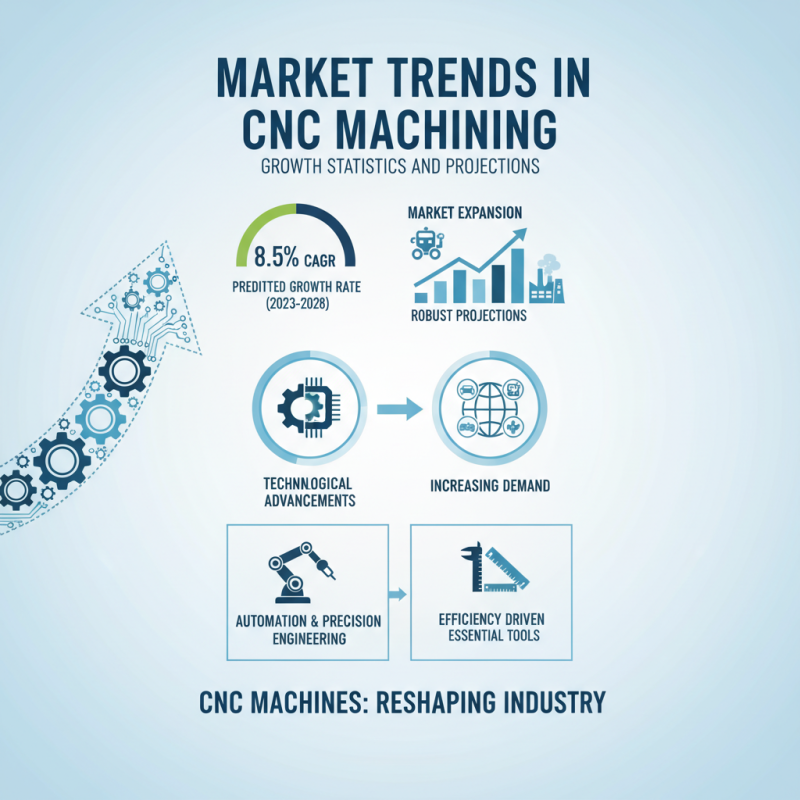
Market Trends in CNC Machining: Growth Statistics and Projections
The CNC machining market is witnessing significant growth, driven by advancements in technology and increasing demand across various sectors. Experts predict a steady growth rate, with projections indicating a robust expansion in the coming years. Factors such as automation and precision engineering are reshaping the landscape. As industries seek efficiency, CNC machines are becoming essential tools.
While many businesses are adopting these technologies, challenges remain. The skills gap in the workforce can affect the effective use of CNC tools. Training programs are crucial to bridge this gap. Additionally, the initial investment in CNC machines can be daunting for small enterprises. This hesitance often leads to missed opportunities for enhanced productivity.
Market trends also highlight a shift toward sustainable practices. Eco-friendly manufacturing is gaining traction. Companies that focus on reducing waste and energy consumption will likely thrive. Innovation in CNC technology can lead to greener solutions, but awareness and adaptation are key. Many are still in the early stages of this transition, reflecting a need for industry-wide commitment.
Comparative Analysis of CNC Machine Types: Benefits and Drawbacks
CNC (Computer Numerical Control) machines have revolutionized the manufacturing landscape. Different types exist, each with distinct advantages and drawbacks. For instance, milling machines excel in versatility. They handle various materials well, from metal to wood. However, they can require extensive setup time, leading to potential delays in production.
Laser cutters represent another popular CNC type. They deliver precision and speed, making them ideal for intricate designs. Yet, the initial investment can be high, and maintenance costs can add up. A 2022 industry report indicated that over 25% of businesses face such budget constraints when adopting laser technology.
Plasma cutters offer rapid cutting capabilities for thick materials. They are less precise than lasers but are favored for their speed. On the downside, they produce rough edges that may require additional finishing. This trade-off can affect workflow in a production environment. Assessing these pros and cons is vital for any buyer in today's competitive market.
Cost Efficiency and ROI in CNC Machine Tool Investments
Investing in CNC machine tools can significantly impact your business's financial landscape. Cost efficiency is essential for any manufacturer. The price of machines can vary widely, but cheaper options might not always deliver the best performance. It’s crucial to weigh initial costs against the potential return on investment (ROI). Consider the long-term savings in maintenance and energy efficiency.
Efficiency metrics play a vital role in determining ROI. A CNC machine that minimizes waste can save substantial amounts in the long run. However, understanding these metrics requires some expertise. Buyers must analyze their specific production needs closely. Invest time in research to avoid costly mistakes. It’s easy to overlook aspects like the machine's adaptability to various materials.
Additionally, consider training and support when selecting CNC tools. Rarely do businesses focus on these areas, yet they are critical for maximizing ROI. Employees need to feel confident in their abilities to operate new machinery. An investment in training can pay dividends by improving productivity. Reflect on your current capabilities and potential challenges; these insights can guide smarter investment choices.
Related Posts
-
Experience the Surge of Global Demand for Cnc Machine Tools at the Latest Canton Fair in Guangzhou
-
Unlocking Precision: The Future of CNC Machining Centers for Global Buyers
-
Unlocking Precision in Manufacturing with Best Cnc Machine Tools Comprehensive Technical Specs and Usage Guide
-
Comprehensive Guide to Different Types of CNC Machining Centers and Their Applications
-
Maximizing Cnc Lathes Longevity with Cost Effective Maintenance Strategies
-

7 Reasons Why CNC Machining Centers Are Essential for Modern Manufacturing Success