
Top Trends in Cosmetics Sustainable Packaging for 2026?
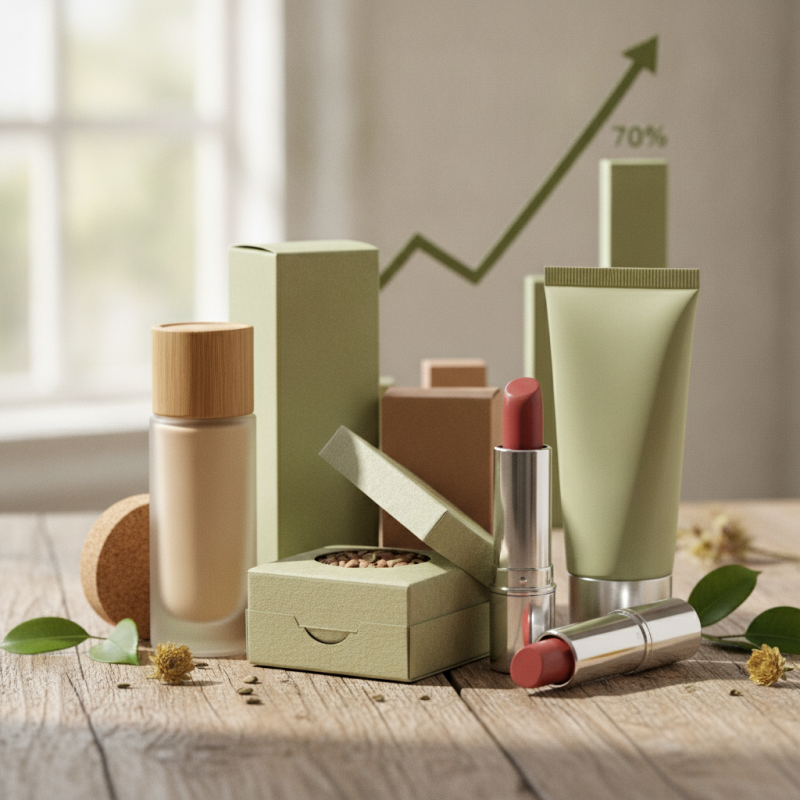
The cosmetics industry is undergoing a significant transformation, particularly in the realm of Cosmetics Sustainable Packaging. Reports indicate that by 2026, over 70% of beauty brands are expected to adopt sustainable packaging solutions. This shift is driven by consumer demand for eco-friendly products and corporate responsibility. The market for sustainable cosmetics packaging is projected to reach $45 billion by 2026, highlighting its growing importance.
Despite this positive trend, challenges remain. Not all brands are equipped to switch to sustainable sourcing, and there is often a mismatch between consumer expectations and what is available in the market. For example, while consumers embrace biodegradable materials, not all alternatives meet the durability standards required for cosmetics packaging. This gap creates opportunities for innovation.
The journey toward fully sustainable cosmetics packaging is complex. Brands must balance aesthetics with functionality while addressing environmental concerns. As the industry evolves, continued collaboration between manufacturers, researchers, and consumers will be essential. Ultimately, meaningful progress in Cosmetics Sustainable Packaging relies on both ingenuity and commitment to sustainability principles.
Emerging Materials for Sustainable Cosmetics Packaging in 2026
As the cosmetics industry continues to evolve, sustainable packaging is a key focus for 2026. Emerging materials are paving the way for greener solutions, driven by consumer demand for eco-friendly options. In a recent report by Grand View Research, the sustainable packaging market is expected to reach $500 billion by 2028, showcasing a growing commitment to environmental responsibility.
Bioplastics are gaining traction, with studies showing that they can reduce carbon footprints by up to 80%. These materials, derived from renewable resources, are biodegradable and compostable. However, some bioplastics still require industrial composting facilities, which are not universally available. This creates a gap in accessibility and raises concerns about effective disposal methods. Companies must weigh these challenges against their sustainability goals.
Tips: Consider using recycled materials whenever possible. Designers should focus on minimalism to reduce waste. Innovative packaging that doubles as a product can enhance user experience and reduce trash. Companies need transparency in labeling to educate consumers about proper disposal methods for their products.
Innovative Design Trends in Eco-Friendly Cosmetic Containers
Sustainable packaging in cosmetics is becoming increasingly important. In 2026, innovative design trends will reshape how brands create containers. Eco-friendly materials, like biodegradable plastics and recycled paper, are gaining traction. These options reduce waste and environmental impact. Companies are exploring plant-based inks and adhesives too. These elements not only promote sustainability but also add a fresh touch to designs.
Another exciting trend is the shift towards multifunctional packaging. This allows for easier reuse and reduces overall waste. For example, some containers evolve into tools or organizers after use. This concept encourages consumers to rethink their relationship with products. Transparency in materials used also builds trust. Brands must clearly communicate how their packaging benefits the environment. However, achieving this balance between aesthetic appeal and sustainability remains challenging.
Color and texture play vital roles in attracting consumers. Minimalist designs with natural textures can evoke a sense of authenticity. Yet, with rising consumer expectations, brands must constantly innovate. They should experiment with unique shapes while ensuring functionality. It’s a delicate dance to please both the eye and the planet. The commitment to sustainability must be genuine, not just a marketing strategy.
Top Trends in Cosmetics Sustainable Packaging for 2026
| Trend | Description | Material | Sustainability Rating |
|---|---|---|---|
| Biodegradable Containers | Containers made from materials that break down naturally | Cornstarch, Bamboo | A+ |
| Recyclable Materials | Packaging that can be processed and reused | Glass, Aluminum | A |
| Reduced Plastic Usage | Minimizing or eliminating plastic in packaging | Paper, Plant-based Plastic | B+ |
| Refillable Packaging | Containers that allow for refills to reduce waste | Glass, Stainless Steel | A+ |
| Smart Packaging | Technology-enabled packaging for better tracking and sustainability | Smart Labels, QR Codes | B |
The Role of Biodegradable Plastics in Cosmetics Packaging Solutions
The demand for sustainable packaging in the cosmetics industry is growing rapidly. Biodegradable plastics are emerging as a key solution. These materials decompose naturally, reducing environmental impact. They offer a viable alternative to traditional plastics, which contribute to pollution and landfill waste.
Brands are now exploring innovative ways to utilize biodegradable plastics in packaging. These options include bottles, wrappers, and containers that break down over time. This shift reflects a growing awareness of the urgency to protect our planet. However, challenges remain. Not all biodegradable plastics decompose under standard landfill conditions, raising questions about their effectiveness.
**Tips:** When considering biodegradable packaging, research certifications. Look for materials that are compostable and meet industry standards. It’s also essential to educate consumers about proper disposal. Encourage recycling and provide clear instructions on how to do so. This fosters a sense of responsibility and promotes sustainable practices.
Consumer Preferences Driving Sustainable Packaging Choices in Cosmetics
The cosmetics industry is experiencing a significant shift towards sustainable packaging, driven by changing consumer preferences. According to a recent report by McKinsey, 70% of consumers actively seek out brands that demonstrate environmental responsibility in their packaging choices. This growing demand pressures brands to innovate while balancing environmental impact and product efficacy.
Many consumers are now willing to pay more for eco-friendly packaging. A survey by Nielsen revealed that 64% of global respondents prefer products with sustainable packaging. This trend highlights the need for brands to assess their packaging materials more thoughtfully. Companies are exploring biodegradable options and recyclable materials, but challenges remain. Not all sustainable materials meet performance standards, raising questions about their long-term viability in the market.
The drive for sustainability also reveals a gap in consumer awareness. Many do not fully understand what constitutes sustainable packaging. As brands navigate these complexities, transparency becomes crucial. Educating consumers about the impact of packaging choices might enhance engagement. The path to sustainable packaging in cosmetics is not straightforward, yet the potential for positive change is clear.
Regulatory Changes Impacting Cosmetics Packaging Sustainability by 2026
As we approach 2026, the cosmetics industry is set for significant regulatory changes regarding packaging sustainability. According to the latest industry survey, around 75% of consumers prioritize eco-friendly packaging when making purchasing decisions. Governments around the world are acknowledging this shift. They are implementing stricter regulations aimed at reducing plastic waste and promoting recyclability in cosmetics packaging. These regulations may require manufacturers to utilize materials with a lower environmental footprint.
Incorporating sustainable practices isn't just compliance; it's a business strategy. Reports indicate that companies adopting sustainable packaging solutions have seen customer loyalty increase by 30%. Emphasizing transparency can also enhance brand trust. It’s vital for brands to communicate their sustainability efforts clearly. However, many brands struggle with balancing cost and environmental responsibility. This dilemma presents an opportunity for collaboration across the supply chain.
**Tip:** Frequent audits of packaging materials can reveal eco-friendly options that might be overlooked. Engaging in dialogues with suppliers can uncover innovative materials aligning with sustainability goals. Consider consumer feedback seriously, as it often reflects shifting values that can direct future packaging choices.
Top Trends in Cosmetics Sustainable Packaging for 2026
This chart illustrates the projected trends in sustainable packaging materials for the cosmetics industry by 2026. As regulatory changes increase pressure for sustainability, brands are expected to shift towards more eco-friendly options.