
Top 10 Wall Panel For WPC Solutions for Global Buyers?

The global market for Wall Panel For Wpc (Wood Plastic Composite) solutions is witnessing substantial growth. According to a recent report, the demand for WPC wall panels has surged by 25% over the past three years. This increase is driven by the rising preferences for eco-friendly materials in construction. WPC panels offer durability and aesthetic appeal, making them an attractive choice for both residential and commercial applications.

Industry experts predict that by 2025, the market for WPC wall panels could reach $10 billion. This trend represents a significant shift towards sustainable building materials. However, buyers must navigate challenges such as varying quality and inconsistent supply chains. Many manufacturers offer promising solutions, yet quality can be inconsistent. Identifying reliable products is crucial, as subpar options can lead to premature wear or aesthetic issues.

For global buyers, understanding the top 10 Wall Panel for WPC solutions can streamline the selection process. It is vital to evaluate options based on longevity, cost-effectiveness, and design versatility. As the market matures, informed decisions will empower buyers to invest wisely in WPC technologies.
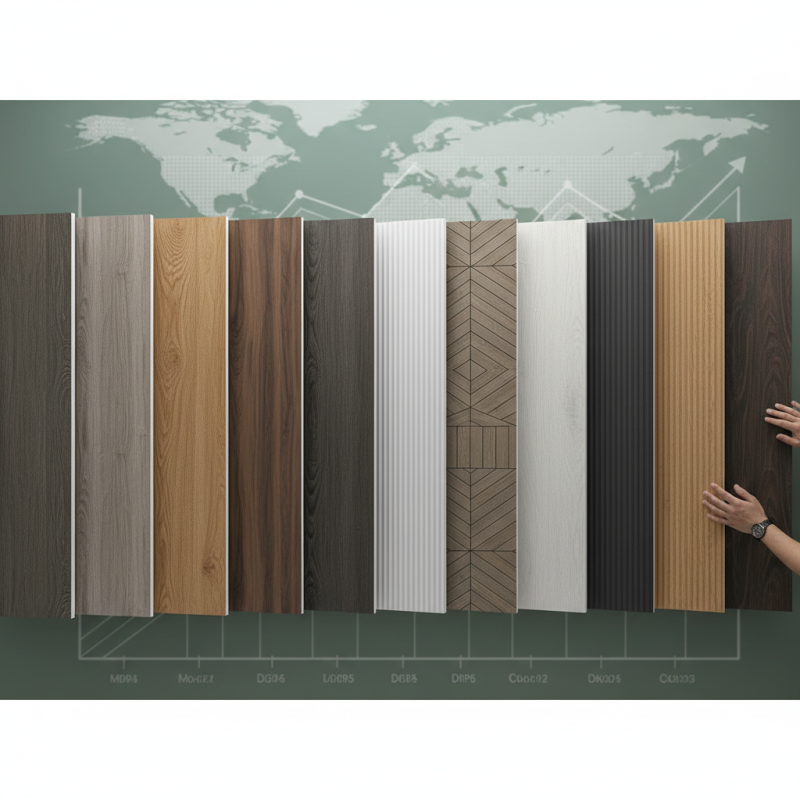
Top 10 Wall Panel For WPC Solutions for Global Buyers?

Understanding WPC Wall Panels: A Brief Overview and Benefits

WPC, or Wood-Plastic Composite, wall panels offer a modern solution for both indoor and outdoor applications. These panels combine wood fibers with plastic, creating a durable and versatile product. They resist moisture, insects, and fading, making them suitable for various climates. This durability appeals to homeowners and builders alike. The aesthetic appeal is notable, as these panels can mimic the look of natural wood without the maintenance.

Tips: When choosing WPC panels, consider the environment. Different settings, like coastal areas, may require specific materials. Look for panels with UV protection to ensure color longevity. Certain colors may fade faster than others, impacting the overall design.

The ease of installation can be both a benefit and a challenge. While many panels come with interlocking systems that simplify installation, gaps can develop if not installed correctly. This can lead to moisture penetration over time. It's crucial to follow installation guidelines closely or consult a professional.

Tips: Always measure your space accurately before purchase. Consider the expansion and contraction of WPC in varying temperatures. This knowledge can prevent future issues related to fit and durability.

Top 10 Wall Panel for WPC Solutions

Key Features to Consider When Selecting WPC Wall Panels

When selecting WPC wall panels, key features are essential to consider. Durability is paramount. These panels should withstand various weather conditions, especially in outdoor settings. Look for products that offer resistance to moisture, warping, and insects. Testing the material's lifespan can reveal its reliability.

Aesthetics play a crucial role, too. WPC panels come in various textures and colors. Choose options that suit your design vision. While natural wood feels warm, you might prefer a sleek modern look. The finish should maintain beauty over time with minimal upkeep.

Ease of installation matters. Some panels are more complicated to fit. Assess the complexity before purchasing. Compatibility with existing structures can save time and money. Lastly, check for certifications. These indicate the panels meet safety and environmental standards. Even if a panel appears appealing, it’s wise to confirm its quality and safety features. Always reflect on your choices; the best panel is one that meets both your aesthetic and functional needs.

Top 10 Wall Panel For WPC Solutions for Global Buyers

Panel Type Material Composition Thickness (mm) Size (LxW in mm) Water Resistance Warranty (Years)
Grooved WPC Panel Wood Fiber + Recycled Plastic 10 3000 x 150 Yes 10
Flat WPC Panel PVC + Wood Powder 12 2400 x 120 Yes 15
Textured WPC Panel Wood Composite + Additives 8 3000 x 200 Yes 5
Colorful WPC Panel Recycled Plastic + Colors 10 2700 x 150 Yes 7
Insulated WPC Panel Foam Core + WPC Surface 15 2500 x 100 Yes 20
Veneer WPC Panel Natural Veneer + WPC 10 2800 x 140 No 10
Outdoor WPC Panel High-Density Plastic + Wood 12 3000 x 200 Yes 15
Acoustic WPC Panel Soundproofing Material + WPC 10 2500 x 160 Yes 8
Decorative WPC Panel Decorative Film + WPC 8 2000 x 120 No 5
Fire-Resistant WPC Panel Fire Retardant Additives + WPC 10 3000 x 150 Yes 10

Top Brands and Manufacturers of WPC Wall Panels Globally

WPC wall panels have gained immense popularity in recent years. These panels are a blend of wood and plastic, making them durable and sustainable. Buyers should consider various options available globally. The market is filled with numerous brands that specialize in WPC solutions. Each brand has its unique offerings, catering to diverse needs.

When choosing WPC wall panels, focus on the manufacturing process. Different brands utilize various techniques, impacting the final product. Quality control is essential for ensuring long-lasting performance. It is wise to research before making a purchase. Not all brands meet the expected standards, leading to potential disappointments.

Another factor is design variety. The aesthetic appeal of WPC panels varies significantly. Certain manufacturers excel in creating visually striking patterns. However, not every design fits all spaces. Selecting the right style can enhance a home's overall ambiance. Consider your environment and taste carefully. While many brands offer exciting options, some might not deliver versatility. Each choice warrants careful evaluation to ensure satisfaction.

Comparative Analysis of WPC Wall Panels vs. Traditional Materials

When comparing WPC (Wood Plastic Composite) wall panels to traditional materials, distinct advantages emerge. WPC wall panels are made from a blend of wood fibers and plastic, providing enhanced durability and resistance to moisture. According to a 2022 industry report, WPC panels can last up to 25 years with minimal maintenance, significantly outpacing traditional wood.

In terms of environmental impact, WPC panels are a sustainable choice. They utilize recycled materials, reducing the demand for virgin wood. A study by the International Wood Products Association indicated that around 50% of WPC material comes from post-consumer waste. This contrasts with traditional wood sourcing, which often leads to deforestation and habitat loss. Furthermore, WPC panels do not require chemical treatments, minimizing potential health risks associated with indoor air quality.

However, cost remains a point of contention. While WPC can be more economical in the long run due to lower maintenance costs, its upfront price may exceed that of basic wood options. Potential buyers must weigh initial investment against durability. Another factor for consideration is the aesthetic aspect. WPC panels can mimic the look of natural wood, but some argue they lack the unique variations that real wood offers. Decisions will vary based on individual preferences and long-term needs.

Sustainability and Environmental Impact of WPC Wall Panel Solutions

The sustainability of Wood Plastic Composites (WPC) in wall panel solutions is gaining attention. WPC combines wood fibers with plastic, creating a product that is both durable and resource-efficient. By using recycled materials, WPC offers an alternative to traditional wood, which often leads to deforestation. This practice helps reduce the environmental footprint associated with harvesting natural wood.


However, the production of WPC may still pose challenges. Some manufacturing processes can emit harmful pollutants if not managed properly. Furthermore, the long-term durability of WPC can vary, potentially leading to premature replacement and waste. It's crucial for manufacturers to improve their methods continuously to minimize these impacts and promote sustainable practices.


Investing in WPC wall panels can support eco-friendly building trends, but it's essential to consider their lifecycle. Buyers should research the origin of materials and the manufacturing process. This due diligence can ensure that the material chosen truly reflects sustainability values. Balancing performance, aesthetics, and environmental responsibility is key to making informed choices in building applications.