
How to Use Flexible PCBs in Modern Electronics Design?
Flexible Pcbs are revolutionizing modern electronics design. Experts in the field, such as Dr. Emily Chen, emphasize their importance. She once stated, "Flexible PCBs enable designs that were once deemed impossible." This highlights their transformational role in the industry.
Incorporating flexible PCBs can lead to innovative solutions. They allow for lighter devices and more compact designs. Designers can create curves and folds that rigid boards cannot achieve. However, achieving reliability with Flexible PCBs can be challenging. Proper materials and production methods are essential for success.
Despite their advantages, flexible PCBs can be daunting. There are intricacies in their design and manufacturing processes. Mistakes can lead to costly failures in prototype stages. Thus, understanding the potential pitfalls is crucial. As the industry evolves, more research and development are necessary to maximize their applications.
Understanding the Basics of Flexible PCBs in Electronics Design
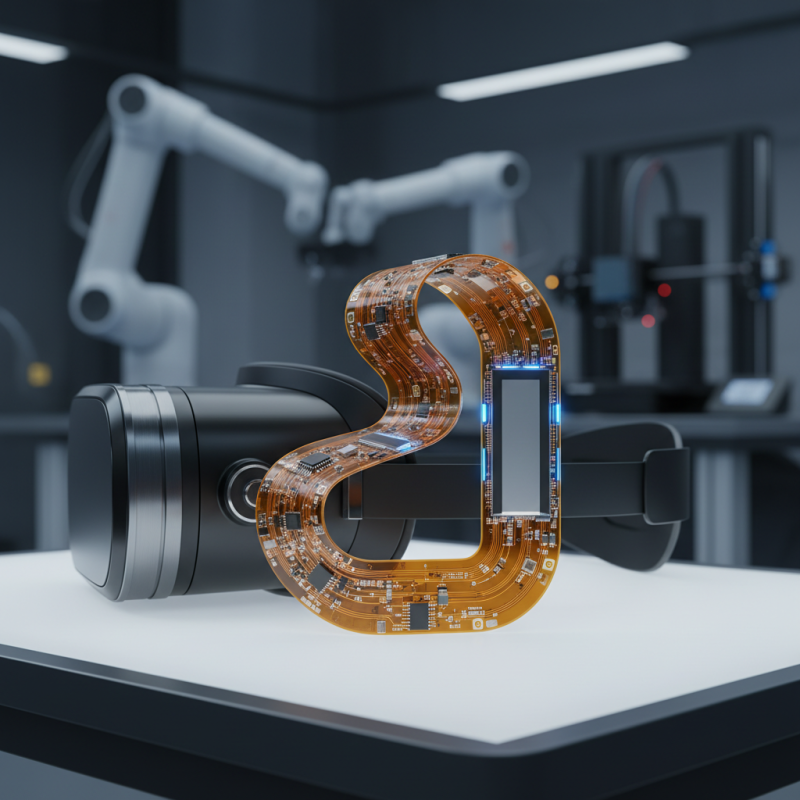
Flexible printed circuit boards (PCBs) have transformed modern electronics design. These versatile components allow for lightweight and compact configurations. Designers can bend and fold them to fit unique spaces, making them ideal for wearable technology and IoT devices. Understanding the basics of flexible PCBs is essential for effective design.
The construction of flexible PCBs involves a thin substrate, often polymer, to allow flexibility. This contrasts with traditional rigid PCBs. The ability to create complex shapes can lead to more creative designs. However, flexibility can compromise durability. Designers should consider the trade-off between flexibility and structural integrity.
Tip: Use proper bend radii when designing flexible circuits. This will prevent damage during installation. Opt for components rated for flex applications. It minimizes risks associated with motion and vibration.
Another aspect to remember is the manufacturing process. Ensure the fabricator understands the nuances of flexible designs. Poor manufacturing can lead to failures in functionality. Prototyping and testing are crucial to avoid costly errors. Overall, a thoughtful approach to flexible PCBs can enhance electronic designs significantly.
Key Advantages of Flexible PCBs Over Rigid Circuit Boards
Flexible PCBs are revolutionizing modern electronics design. They offer distinct advantages over traditional rigid circuit boards. According to a recent market analysis, the flexible PCB market is projected to reach $30 billion by 2027. This growth is largely driven by their unparalleled versatility and lightweight properties.
One key advantage of flexible PCBs is their ability to fit into tight spaces. This flexibility enables designers to create compact and lightweight devices. For instance, smartphones have increasingly adopted flexible circuits for intricate layouts. These boards can be bent or twisted, which is essential for portable electronics. However, not all designs benefit from this. Sometimes, rigidity is required for certain applications, making a mixed approach necessary.
Cost is another factor to consider. While flexible PCBs can reduce the assembly cost in many cases, initial production expenses may be higher. A report indicates that flexible PCBs can be 10-20% more expensive than rigid variants. Designers must weigh these costs against the long-term benefits. The choice isn’t always clear-cut; some projects may be better served by traditional boards. It's a reflection point that needs careful consideration in the design process.
Advantages of Flexible PCBs Over Rigid Circuit Boards
Common Applications of Flexible PCBs in Modern Electronics
Flexible PCBs are revolutionizing modern electronics. They find applications in various sectors, offering unique advantages. One common use is in smartphones. Their slim design allows for more compact devices. Flexible PCBs enable intricate layouts that traditional rigid boards cannot achieve.
Wearable technology also benefits greatly. Smartwatches and fitness trackers utilize flexible PCBs for comfort. The ability to bend and twist is crucial for these devices. Medical devices, like portable ultrasound machines, use flexible circuits to reduce weight. This makes them easier for practitioners to handle.
Yet, manufacturing flexible PCBs presents challenges. Precision in layering materials is critical. Misalignment can lead to failures in performance. The cost can also be a concern. Designers must weigh flexibility against budget constraints. Balancing these factors requires thoughtful planning.
Design Considerations for Effective Flexible PCB Integration
When integrating flexible PCBs into modern electronic designs, certain considerations become crucial. Flexibility allows for creative shapes and compact designs. However, the material choice affects performance. Using the right substrate impacts durability and flexibility. A thicker substrate may provide sturdiness but can limit bending. Finding a balance is vital.
Another aspect to consider is the layout of the components. Densely packed traces can lead to signal interference. Spacing between traces should be precise. Design rules applied in traditional PCBs may not directly translate. Adjusting for thermal expansion is also necessary. PCB flexes and bends during operation, which might cause stress on solder joints. Over time, this can lead to failures.
Testing is one area that often gets overlooked. Prototypes need rigorous evaluation. Assessing the durability under actual use conditions is essential. It's not enough to simulate; real-world testing reveals issues. Designers can find potential faults early. Flexibility in design must also account for manufacturing tolerances. Each of these considerations plays a role in realizing the full potential of flexible PCBs.
Trends and Future Developments in Flexible PCB Technology
Flexible PCBs are increasingly vital in modern electronics. Recent reports show that the global flexible PCB market is projected to reach $30 billion by 2026. This trend stems from the demand for lightweight and compact electronic devices. Designers often face challenges in managing design flexibility and durability. All sectors, including automotive and wearables, seek solutions to enhance functionality while minimizing size.
Emphasis on sustainability is reshaping flexible PCB technology. Manufacturers are exploring eco-friendly materials and processes. Studies indicate that adopting biodegradable substrates can reduce electronic waste significantly. However, integrating these materials into production remains an obstacle. The performance and reliability of sustainable options need improvement. Designers must balance innovation with practical limitations to ensure longevity in their products.
Emerging technologies, like 5G and the Internet of Things, fuel the adoption of flexible PCBs. Reports suggest that 5G devices will require more complex circuitry. Flexible designs can accommodate new form factors, but they also raise manufacturing complexities. Addressing these challenges is crucial for future advancements. The industry's evolution relies on continuous research and development to perfect processes and materials.