
How to Use Hexagonal Wire Mesh for Your Projects?
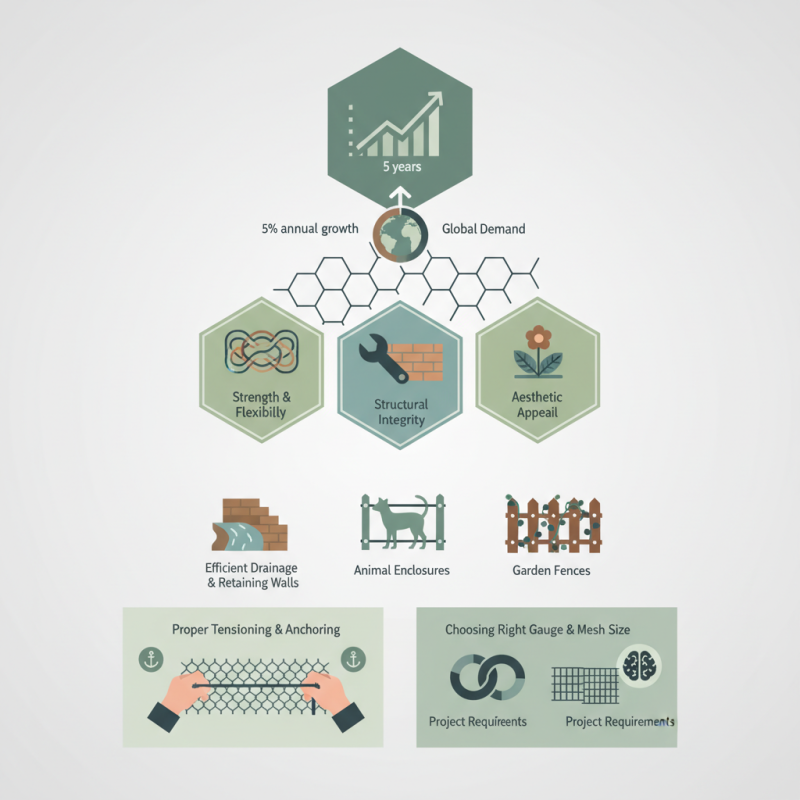
hexagonal wire mesh has become a staple in various construction and landscaping projects. According to a report from the International Wire and Mesh Association, the global demand for wire mesh products is forecasted to grow by 5% annually over the next five years. This growth is largely driven by the rising need for durable and versatile materials in diverse applications. Experts are increasingly recognizing the unique benefits of hexagonal wire mesh due to its strength and flexibility.
John Smith, a leading expert in wire mesh applications, emphasizes, "hexagonal wire mesh not only offers structural integrity but also enhances aesthetic appeal." Its design allows for efficient drainage and is adaptable for use in retaining walls, animal enclosures, and garden fences. Yet, some users overlook critical installation techniques that can lead to suboptimal results. Proper tensioning and anchoring are essential for maximizing its potential.
There are countless ways to implement hexagonal wire mesh in projects. From artistic garden fences to sturdy construction barriers, the possibilities are vast. However, beginners often struggle with choosing the right gauge and mesh size. Careful reflection on project requirements will lead to more effective use of this material. Understanding its properties will also facilitate better integration into designs.
Understanding Hexagonal Wire Mesh: Types and Uses
Hexagonal wire mesh is a versatile material used in various projects. It consists of a series of interconnected hexagonal shapes, providing strength and durability. This mesh is commonly used for fencing, making it ideal for gardens or animal enclosures. Its shape allows for easy installation and flexibility, adapting to different landscapes.
In addition to fencing, hexagonal wire mesh has construction applications. It can reinforce concrete structures, adding support where needed. Artists also appreciate its unique design for crafting sculptures. However, it may not always be easy to work with. Sharp edges can pose safety risks, and one might struggle to cut it to fit specific shapes.
Awareness of these challenges is essential before using hexagonal wire mesh. Proper tools and safety gear can mitigate risks. Have a plan in mind for installation to avoid unnecessary complications. When used wisely, hexagonal wire mesh can enhance both functional and creative projects significantly.
Preparing Your Workspace for Hexagonal Wire Mesh Projects
Preparing your workspace for projects involving hexagonal wire mesh is crucial. Start by selecting a suitable area with ample lighting. A clutter-free surface will enhance your focus. Gather essential tools like wire cutters, pliers, and safety gloves. Ensure everything is within arm's reach. It saves time and prevents frustration.
Consider the surface on which you’ll work. A sturdy table or workbench is advisable. If you're using a floor space, lay down a protective sheet to catch debris. Safety is paramount; check for sharp edges on the mesh. Take a moment to assess potential hazards. Make sure there are no distractions around you. This awareness can help avoid accidents.
As you dive into your project, keep your materials organized. Use bins or trays to sort the wire mesh and tools. It’s easy to mix things up under pressure. Reflect on any past mistakes regarding workspace safety or organization. Learning from these experiences will make your project smoother. Remember, a well-prepared space leads to better results and creative freedom.
Step-by-Step Guide to Installing Hexagonal Wire Mesh
Installing hexagonal wire mesh can enhance various projects, from gardening to construction. This step-by-step guide will help you through the process effectively. Hexagonal wire mesh is versatile, lightweight, and affordable. It’s commonly used in fencing, reinforcement, and more.
Start by measuring the area where you will install the mesh. Ensure accurate dimensions to avoid waste. Cut the wire mesh to size, using wire cutters. When working with gloves, safety should be your priority. For fencing, secure the mesh with posts and staples. Many reports suggest that a proper installation can last over a decade.
**Tips:** Always wear protective gloves. The mesh can have sharp edges. Align the mesh accurately to avoid gaps. This may need adjustments, and that's okay. Reflect on your methods. It’s not uncommon to misalign or miscut. This could lead to loss of material and time.
Lastly, secure the mesh at intervals. Use anchors or posts every few feet. This prevents sagging. Consider weather conditions as well. Extreme temperatures can affect the mesh's integrity. Remember, patience is key in installation. Each step plays a role in the overall durability and effectiveness of your project.
Usage of Hexagonal Wire Mesh in Various Projects
Creative Applications of Hexagonal Wire Mesh in Various Projects
Hexagonal wire mesh is becoming increasingly popular in various projects due to its versatility and functionality. It is often used in landscaping for creating decorative fences or garden accents. The unique hexagonal shape grants strength while maintaining airflow and visibility. According to industry reports, the demand for wire mesh products grew by over 7% last year in North America alone.
In construction, hexagonal wire mesh is frequently seen in soil erosion control projects. Its structure allows for excellent drainage while preventing soil displacement. This is especially crucial for retaining walls that face heavy rains. Additionally, some architects are exploring its potential in sustainable design. The mesh can support climbing plants, enhancing the aesthetics and ecology of urban spaces.
Tips: When choosing hexagonal mesh, consider the gauge and spacing of the wire. Thicker wire provides durability, while smaller openings deter pests. However, ensure that the design remains functional. Balancing strength with flexibility is key. Reflect on potential uses beyond fencing—think artistic installations or even modular furniture. It's a medium that invites creativity but also needs careful planning to avoid pitfalls.
Maintenance and Care Tips for Hexagonal Wire Mesh Structures
When using hexagonal wire mesh, maintenance is crucial for longevity. Regular inspection is essential. Look for signs of rust or physical damage. If you spot any issues, address them promptly. Neglect can lead to more significant problems down the road. Remember that even minor damage can expand if not treated.
Cleaning is another vital aspect. A gentle wash with soap and water works well. Avoid harsh chemicals that may cause corrosion. Sometimes, a simple brush can remove debris. Stains or mold can be more stubborn. In those cases, a vinegar solution can help. Be cautious not to damage the mesh while cleaning.
Sealing the mesh can provide extra protection. A protective coating may help resist moisture. However, remember that sealing isn’t permanent. You need to reapply it periodically. Watch for wear over time. Keeping track of these details can ensure your hexagonal wire mesh remains effective and visually appealing. Regular care leads to better performance, but it requires your attention and effort. Don’t underestimate the importance of maintenance.
How to Use Hexagonal Wire Mesh for Your Projects? - Maintenance and Care Tips for Hexagonal Wire Mesh Structures
| Dimension | Material Type | Common Applications | Maintenance Tips |
|---|---|---|---|
| 1/2 inch | Galvanized Steel | Garden Fencing | Regularly check for rust; apply protective coatings. |
| 1 inch | PVC Coated Wire | Animal Enclosures | Inspect for wear; clean dirt and debris periodically. |
| 2 inch | Stainless Steel | Decorative Screens | Polish occasionally; monitor for any bends or misalignment. |
| 3 inch | Aluminum | Structural Support | Check connections and joints; ensure no loose fittings. |