What is a UV Flatbed Printer and How Does it Work?

The UV Flatbed Printer is transforming the printing industry. This technology allows for high-quality prints on various substrates, including wood, glass, and metal. According to a study by Smithers Pira, the UV printing market is projected to reach $29 billion by 2024. Industry expert Dr. Emily Zhang stated, "UV Flatbed Printers enable creative possibilities that were once unattainable."

UV Flatbed Printers utilize ultraviolet light to cure or dry the ink as it is printed. This process creates vibrant images with exceptional durability. However, the adoption of this technology is not without challenges. For some businesses, the initial investment can be significant. Additionally, not all substrates are compatible.

Despite these hurdles, the potential benefits of UV Flatbed Printers are substantial. They offer versatility and efficiency in production. According to recent data, over 40% of companies are planning to invest in UV printing solutions in the next year. The evolving landscape of printing continues to challenge conventional methods, urging businesses to reevaluate their strategies.
What is a UV Flatbed Printer and How Does it Work?

What is a UV Flatbed Printer?

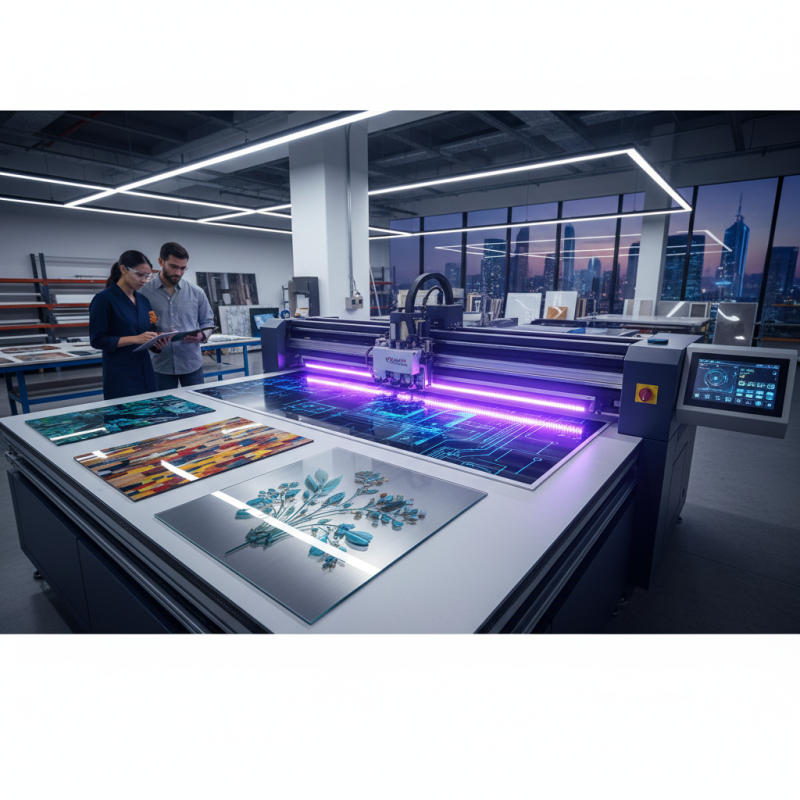
A UV flatbed printer is a powerful tool in the printing industry. It uses ultraviolet (UV) light to cure ink as it’s printed. This process allows for printing on various materials like wood, glass, and metal. The flatbed design means the materials sit flat while the printing happens above. This provides precise, high-quality prints.

One key benefit of UV flatbed printing is flexibility. You can use different substrates without changing the printer. This is ideal for custom projects. However, the setup can be complicated. It requires careful calibration and maintenance. An inconsistent print can occur if not managed correctly.

Tips: Always test the printer with your material before the main job. Different surfaces can absorb ink differently. Also, consider the ink's curing time. If it isn't properly cured, you may face issues later on, such as smudging. Keep an eye on your print quality. Regular checks can save time and resources down the road.

The Technology Behind UV Flatbed Printing

UV flatbed printing utilizes cutting-edge technology to produce high-quality prints on various materials. This method involves ultraviolet light that cures inks instantly, creating vibrant colors and sharp details. The flatbed printer can accommodate rigid substrates like wood, glass, metal, and plastic, enabling versatile applications in signage and décor.

One key aspect of this technology is its precision. The printer operates with a stationary bed, ensuring that the print head moves smoothly across the surface. This minimizes errors and allows for fine gradations in color. However, achieving consistent results requires proper calibration and maintenance. Skipping these steps can lead to uneven prints, which is a common issue.

Another vital element is the ink formulation. UV inks are unique; they adapt well to different surfaces. Yet, not all surfaces react the same way to these inks. Some materials may require pre-treatment for the best adhesion, while others perform better without it. Experimentation is often necessary to optimize the process. Understanding these nuances can enhance the overall quality of the output.

How UV Flatbed Printers Operate: Step-by-Step Process

UV flatbed printers are remarkable machines, widely used in various industries, from signs to custom décor. Their operation is efficient, relying on a straightforward process. Initially, a digital image is designed using graphic software. This image is then sent to the printer for production.

The crucial step happens as the flatbed printer’s print head moves across a stationary substrate. Using UV light, the ink is instantly cured as it is applied, ensuring vibrant colors and sharp details. This technology allows for printing on diverse materials like wood, glass, or plastic. According to a market report, the UV printing industry is projected to grow at a CAGR of 8.6% from 2021 to 2028.

While the technology is impressive, challenges remain. Ink adhesion on specific surfaces can be inconsistent, affecting durability. Operators must constantly monitor equipment performance to maintain quality standards. Understanding these nuances is essential for producing high-quality outputs. Continuous learning is necessary as the technology evolves, impacting design possibilities and production capabilities.

UV Flatbed Printer Usage Statistics

Applications of UV Flatbed Printers in Various Industries

UV flatbed printers are making waves across multiple industries. These advanced printing machines are particularly celebrated for their versatility. They can print directly on various materials, including wood, metal, glass, and plastics. By using UV light to cure ink, they create stunning, high-quality images that are durable and resistant to damage.

In the signage industry, UV flatbed printers are invaluable. Reports suggest that the global signmaking market is expected to grow at a CAGR of 4.7% from 2021 to 2026. This growth highlights the increasing demand for eye-catching signage. Retail spaces benefit significantly from vibrant displays produced by UV printing technology. In interior design, custom wallpapers and décor items printed on these machines create unique aesthetics, reflected in a surge in demand for personalized décor.

Tips: When approaching UV printing, always consider the substrate. Different materials require specific ink formulations. Testing before a full run is crucial to avoid waste. Also, ensure proper maintenance of the printer for optimal results.

In the packaging industry, UV flatbed printers are on the rise. They allow for innovative designs on boxes and labels, helping brands stand out. As consumers continue to prioritize sustainability, UV printing can accommodate eco-friendly materials. While the technology is impressive, careful consideration must be taken to understand the implications of ink performance and substrate interactions.

What is a UV Flatbed Printer and How Does it Work? - Applications of UV Flatbed Printers in Various Industries

Industry Application Benefits
Signage Indoor and outdoor signage printing High durability and vibrant colors
Packaging Custom packaging solutions Quick turnaround and design flexibility
Textiles Printed fabrics and promotional items High-quality prints and durability
Interior Design Wall murals and custom decor Unique customization and aesthetics
Electronics Printing on electronic casings High precision and detail
Promotional Products Custom items like pens, mugs, etc. Personalization and vivid colors

Advantages of Using UV Flatbed Printers Over Traditional Printers

UV flatbed printers have surged in popularity due to their versatility and efficiency. Unlike traditional printers, UV flatbed models use ultraviolet light to cure ink instantly upon contact with the media. This means they can print on a wide range of materials, such as wood, glass, metal, and plastic, allowing for innovative design possibilities. The vibrant colors produced are often more durable, making them resistant to fading and scratching.


One of the main advantages of UV flatbed printers is their ability to produce high-quality prints quickly. This efficiency is crucial for businesses needing fast turnaround times. Plus, because the ink dries instantly, operations can continue without waiting for drying times. Additionally, UV inks are eco-friendly, emitting fewer volatile organic compounds (VOCs) compared to traditional inks. This sustainability aspect is increasingly important for businesses looking to reduce their environmental impact.


Tips: To maximize the benefits of UV flatbed printing, ensure proper material selection. Some surfaces require a primer for optimal adhesion. Regular maintenance of the printer will also help maintain print quality. Pay attention to ink usage; it can vary based on the substrate and design complexity. Experimenting with different settings can lead to unexpected yet impressive results.