What is a Wafer Roll Machine and How Does It Work?
The Wafer Roll Machine plays a crucial role in the food industry. This machine creates thin, crispy wafer rolls that are popular snacks. John Smith, a leading expert in snack production, states, "The efficiency of a Wafer Roll Machine transforms how we think about snack manufacturing."
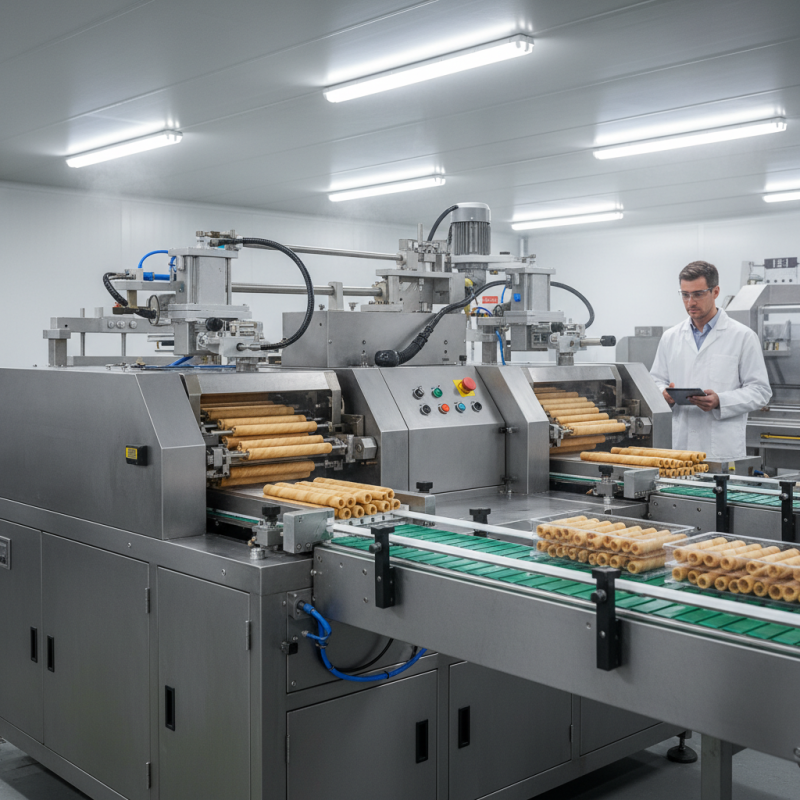
Understanding how a Wafer Roll Machine operates is essential. It precisely shapes and cooks the batter, ensuring consistency in texture. However, many companies still struggle with maximizing this technology's potential.
Optimization challenges exist. Some machines may underperform, leading to uneven cooking. This flaw can impact product quality. Continuous improvement in design and operation is necessary. By addressing these issues, manufacturers can achieve better results. Ultimately, a Wafer Roll Machine holds promise but requires thoughtful reflection and adjustment.
Understanding Wafer Roll Machines: A Comprehensive Overview
Wafer roll machines are essential in food production, particularly in creating crispy wafer rolls. These machines can produce large quantities of wafer rolls per hour, often exceeding 2,000 units. Efficiency matters greatly, and many manufacturers strive for quality and speed. Yet, the balance is tricky. Achieving the perfect texture and flavor can be challenging. Reports indicate that 30% of production can be lost due to inconsistent settings or machine malfunctions.
The process involves mixing flour, sugar, and other ingredients into a batter. The machine evenly spreads this mix onto heated plates. As the batter cooks, it transforms into thin, crisp layers. Operators need to adjust temperatures precisely to avoid undercooked or burnt wafers. Data shows that a minor shift in temperature can impact the final product's texture by up to 15%. This requires constant monitoring and adjustments.
While the technology might seem straightforward, the human element is vital. Skilled operators need training to guide machines effectively. Despite automation, human oversight remains key. Some companies still face challenges with quality control. Not every batch meets the desired standards. Acknowledging these issues can lead to better practices over time, ensuring consistent quality for consumers.
Wafer Roll Machine Production Output by Year
Key Components of a Wafer Roll Machine Explained
A wafer roll machine is essential in snack production. Its key components work in harmony to create crispy, rolled wafers. At the heart of the machine is the baking system. This part uses hot air to cook the batter evenly. Typically, it operates at temperatures between 180°C and 220°C. Precise control ensures consistent quality and taste.
Next is the molding section. This area shapes the wafer as it bakes. Molds come in various designs, leading to different wafer types. Specialized molds can influence the final product’s texture and crunchiness. According to industry reports, the versatility of these molds can boost production efficiency by up to 25%.
The cooling system is equally critical. Wafer rolls need to cool down before packaging. This prevents moisture buildup, which could spoil the product. Efficient cooling can reduce energy consumption significantly, contributing to lower operational costs. Operators must monitor this process closely, as improper cooling can lead to quality issues. The combination of these components illustrates the complexity involved in wafer roll production.
What is a Wafer Roll Machine and How Does It Work?
| Component | Description | Function |
|---|---|---|
| Mixing Drum | Holds and mixes the batter ingredients. | Ensures consistent batter quality for wafer sheets. |
| Baking Plates | Heated surfaces that bake the batter into thin sheets. | Creates the desired texture and flavor in wafers. |
| Cooling System | Removes heat from freshly baked wafers. | Ensures wafers are cool enough for handling and rolling. |
| Wrapper | Material that encases the rolled wafers. | Protects wafers from damage and maintains freshness. |
| Control Panel | Interface for operating the machine and adjusting settings. | Allows user control over temperature, time, and speed. |
The Manufacturing Process: How Wafer Roll Machines Operate
Wafer roll machines are vital in the production of thin, crispy wafer rolls. They work by combining precise temperature control and pressure to create a consistent texture. The process begins with a batter made from flour, sugar, and water. This batter is poured onto heated plates. The plates create thin sheets. Once fully cooked, the sheets are rolled into cylindrical shapes.
During manufacturing, timing is everything. If the batter is too thick or not cooked enough, the rolls become inconsistent. Operators must monitor the machine closely for quality assurance. Once rolled, the wafer shapes are often cooled on a conveyor belt. This allows them to set properly. However, there may be times when the rolls break or crumble. Addressing these imperfections is crucial for maintaining product quality.
Operators also need to ensure that the machine is clean and properly calibrated. Dust or leftover batter can lead to defects. Regular maintenance is necessary but can be overlooked. If machines are not serviced regularly, performance can decline. Better systems can allow for more consistent output, but they require investment and training. Reflecting on these details can lead to improvements in the manufacturing process.
Applications of Wafer Roll Machines in Food Production
Wafer roll machines play a vital role in the food production industry. These machines create thin, crispy wafer rolls, often used for snacks or desserts. According to a market research report by Mordor Intelligence, the global wafer market is expected to grow by 4.1% annually. This trend highlights the increasing popularity of wafer-based snacks around the world.
In food manufacturing, wafer roll machines streamline the production process. They mix ingredients, bake the layers, and shape them into rolls in one seamless operation. Efficiency is key. Studies show production rates can reach around 200-400 rolls per minute, depending on the machine's design. However, quality control can be a challenge. Slight variations in temperature or time can lead to inconsistency in texture.
Many producers are exploring creative applications. Wafer rolls are used for ice cream cones or for wrapping fillings. The versatility is appealing. Yet, operational costs can add up. Maintenance is essential. A well-functioning machine is crucial for fulfilling growing consumer demands. As production scales, businesses need to invest in quality machinery to avoid costly breakdowns and ensure consistent product quality.
Maintenance and Troubleshooting for Wafer Roll Machines
Wafer roll machines play a crucial role in the food industry. They create thin, crispy wafers used in various snacks and desserts. However, to ensure consistent output and quality, regular maintenance is essential. Neglected machines can lead to production slowdowns and increased waste.
One common issue is the build-up of dough residue in the rollers. This can affect texture. Regularly clean the rollers and check for signs of wear. The overall efficiency can drop if maintenance is overlooked. A report by the International Food Machinery Association noted that regular maintenance could improve machine life by up to 30%.
Tips: Always inspect your machine daily. Look for unusual noises or vibrations. Lubricate moving parts to reduce friction.
Troubleshooting is necessary when issues arise. If wafers come out unevenly, check the temperature settings. Misalignment often goes unnoticed and can yield poor-quality products. Manufacturers suggest keeping a log of all maintenance activities. This helps identify patterns and prevent future problems.
Tips: Document every maintenance check. Catching small issues early can prevent major breakdowns.