Top Lathe Machine Tools for Global Buyers?
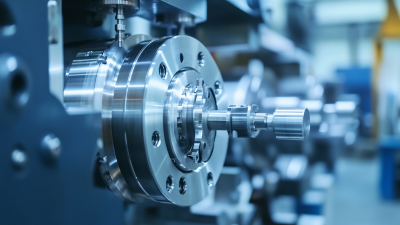
Choosing the right Lathe Machine Tools is rarely a simple price comparison. Global buyers must examine accuracy, rigidity, spindle performance, control systems, and after-sales support. A machine may look impressive in a catalog. Its performance becomes clearer beside a real workpiece, coolant tray, and inspection report.
Joseph Whitworth’s often-cited observation remains relevant: “Without machine tools, modern civilization would not exist.” His words highlight the foundation of modern manufacturing. Today, buyers also need practical evidence. Ask for turning samples, repeatability data, test-cut videos, and references from similar factories. Check whether the quoted motor power matches the machine’s actual cutting capacity. A bright brochure cannot replace verified results.
This guide reviews leading Lathe Machine Tools for international purchasers. It considers CNC and conventional models, heavy-duty and precision applications, training, maintenance, delivery, and spare-parts access. These details matter when a machine is installed thousands of miles from the supplier. A missed bearing can stop production.
Some recommendations may still require judgment. No ranking can fit every workshop. A small aerospace supplier may value micron-level stability, while a repair shop may prioritize simple controls and fast servicing. Buyers should compare material, batch size, operator skill, floor space, and local technical support before ordering. Even experienced teams sometimes overlook voltage compatibility or software training. That mistake is costly, but avoidable.
Reliable purchasing is not about choosing the most expensive lathe. It is about matching measurable capability with daily production needs. The strongest options combine stable cutting, accessible service, transparent specifications, and proven operating experience. This comparison aims to make that decision clearer, while recognizing that real factory conditions can challenge even careful assumptions.
What Defines a Top Lathe Machine Tool?
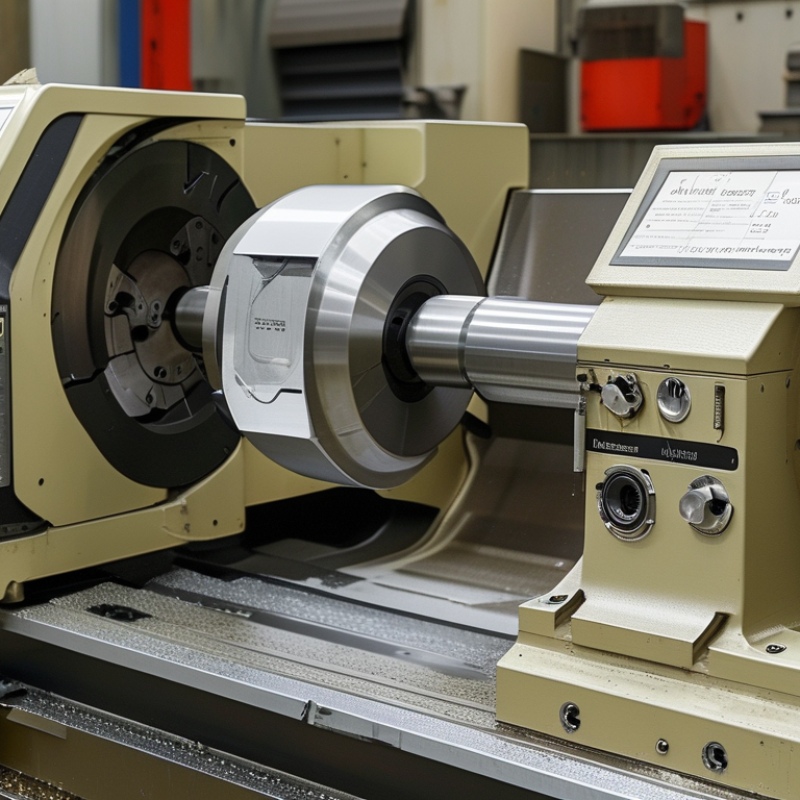
A top lathe machine tool is defined by measurable performance, not a polished brochure. Its spindle must maintain stable speed under load, while the bed resists vibration during heavy cutting. Positioning accuracy and repeatability should be verified under ISO 230-2 procedures. A 0.01-millimeter claim means little without test conditions, temperature data, and tool specifications. The Fortune Business Insights CNC machine market report valued the global market at USD 83.33 billion in 2023. That scale increases the need for transparent procurement.
Rigidity is only part of the decision. Buyers should inspect thermal compensation, chuck balance, chip evacuation, guarding, and control-system usability. A reliable machine should hold dimensions after hours of production, not only during a short demonstration.
Energy use also matters. The International Energy Agency reported that industry consumed about 37% of global final energy demand in 2022. Efficient motors and automatic standby functions can reduce avoidable operating costs. Small details matter.
A cutting trial is essential. Test the intended material, diameter, tolerance, and cycle time. Laboratory figures can flatter a machine. Maintenance access, spare-part availability, operator training, and documented service response deserve equal attention. I would also question unusually perfect accuracy claims; real workshops face heat, worn tools, and inconsistent material. The best lathe is not always the fastest. It is the one that repeatedly produces acceptable parts with controlled risk.
Key Lathe Types for Different Manufacturing Needs
Top Lathe Machine Tools for Global Buyers?
Key Lathe Types for Different Manufacturing Needs
Choosing a lathe starts with the workpiece, not the machine’s appearance. In production workshops, engine lathes remain practical for shafts, bushings, and repair jobs. Their manual controls help skilled operators feel cutting resistance and adjust feed quickly. They also demand more experience and may produce inconsistent results between shifts. That limitation matters when tolerance requirements become strict.
CNC lathes suit repeat production, complex profiles, and stable dimensional control. Live tooling can drill, mill, and tap parts without repeated clamping. This reduces setup time and protects alignment. However, programming errors can damage tools before anyone notices. A careful trial run remains essential. Small details matter.
For large, heavy components, a vertical lathe offers strong support and easier loading. It works well for flanges, wheels, and industrial rings. Horizontal boring and turning systems handle long or deep workpieces more effectively. Swiss-type lathes are useful for slender precision parts, especially when bar material needs continuous support. They are highly capable, but their setup can be demanding.
A buyer should compare spindle speed, motor power, chuck capacity, axis travel, and control compatibility. Material behavior also changes the decision. Stainless steel creates different heat and tooling demands than aluminum. Coolant delivery, guarding, operator training, and service access deserve equal attention. I have seen buyers focus on maximum speed and overlook chip evacuation. That choice often creates avoidable maintenance problems.
Top Lathe Machine Tools for Global Buyers? - Key Lathe Types for Different Manufacturing Needs
A practical comparison of common lathe configurations, typical capabilities, applications, and key purchasing considerations.
| Lathe Type | Typical Workpiece Range | Typical Accuracy | Best-Suited Materials | Primary Manufacturing Needs | Key Advantages | Common Limitations | Important Buyer Considerations |
|---|---|---|---|---|---|---|---|
| Engine or Centre Lathe | Small to large cylindrical parts; typical swing ranges from approximately 250–1,000 mm, depending on configuration. | Typical job-shop dimensional accuracy: approximately ±0.02–0.05 mm with suitable tooling and setup. | Mild steel Stainless steel Aluminium Brass Cast iron | Repair work, maintenance, prototyping, one-off components, shafts, bushings, threaded parts, and general turning. | Flexible setup, relatively simple operation, broad tooling compatibility, and good suitability for low-volume production. | Lower productivity than CNC equipment for repeated batches; operator skill has a strong influence on results. | Check spindle bore, swing over bed, distance between centres, gearbox range, bed rigidity, tooling package, and operator training requirements. |
| CNC Turning Centre | Small to medium production parts; common turning diameters are approximately 100–600 mm. | Typical positioning accuracy is approximately ±0.005–0.02 mm; actual part accuracy depends on thermal control, tooling, and workholding. | Steel Stainless steel Aluminium Titanium alloys Engineering plastics | Repetitive production, precision shafts, flanges, bushings, couplings, automotive components, and subcontract machining. | Consistent repeatability, reduced setup time after programming, automatic tool changes, and efficient cycle control. | Higher purchase and maintenance cost; requires programming, tooling management, and technical support. | Evaluate control system usability, chuck size, bar capacity, turret stations, live tooling options, chip management, service coverage, and post-processor compatibility. |
| CNC Turning Centre with Live Tooling | Small to medium complex components, generally up to approximately 400–600 mm turning diameter. | Typical finished-part accuracy is approximately ±0.01–0.03 mm, depending on machine configuration and process control. | Aluminium Steel Stainless steel Brass Titanium alloys | Turn-mill work, cross-holes, keyways, flats, radial drilling, tapping, and complex parts requiring fewer setups. | Combines turning and secondary milling operations; improves throughput and reduces repositioning errors. | More complex programming, higher tooling cost, and greater dependence on spindle and turret specifications. | Confirm live-tool power, tool station count, Y-axis travel, sub-spindle availability, maximum bar diameter, coolant delivery, and software capabilities. |
| Swiss-Type CNC Lathe | Small-diameter, long and slender parts; commonly approximately 2–32 mm bar diameter, with larger configurations also available. | Typical production accuracy is approximately ±0.005–0.02 mm when process conditions are well controlled. | Stainless steel Titanium alloys Brass Cobalt alloys Engineering plastics | Medical components, miniature shafts, connectors, pins, watch parts, precision electronics, and slender turned parts. | Excellent support close to the cutting zone, strong control of deflection, high productivity, and multi-operation capability. | Higher programming and tooling complexity; less economical for large-diameter or very simple parts. | Review guide-bushing technology, bar-feeder compatibility, spindle speed, sub-spindle functions, tool capacity, minimum component size, and setup expertise. |
| Turret Lathe | Small to medium-sized repetitive parts; typical workpiece diameters are approximately 20–300 mm. | Typical dimensional accuracy is approximately ±0.02–0.05 mm, depending on machine condition and tooling. | Steel Brass Aluminium Cast iron | Repeated turning, drilling, boring, threading, facing, and other operations on batches of similar parts. | Multiple tools can be prepared in advance, reducing tool-change time and improving batch productivity. | Less flexible than modern CNC equipment for frequent design changes; manual versions require experienced operators. | Compare turret capacity, indexing method, collet or chuck system, bar-feeding options, cycle time, and availability of replacement tooling. |
| Vertical Turning Lathe | Large-diameter, short or heavy workpieces; typical turning diameters range from approximately 600–4,000 mm or more. | Typical accuracy is approximately ±0.02–0.08 mm, influenced by table size, workpiece weight, and thermal stability. | Cast iron Steel forgings Alloy steel Large stainless parts | Bearing housings, valve bodies, gear blanks, flanges, wheels, discs, and heavy components with large diameters. | Gravity assists workholding; provides strong support for heavy parts and efficient access to large horizontal surfaces. | Requires substantial floor space, lifting capacity, foundation planning, and appropriate loading equipment. | Check maximum table load, table diameter, maximum turning height, ram travel, column clearance, foundation requirements, and chip evacuation. |
| Heavy-Duty Oil-Country Lathe | Large and long components; typical swing may range from approximately 800–2,000 mm, with long bed lengths available. | Typical general-purpose accuracy is approximately ±0.03–0.10 mm, depending on machine size and operating conditions. | Carbon steel Alloy steel Stainless steel Heavy forgings | Pipes, collars, large shafts, flanges, threaded tubular components, rollers, and energy-sector maintenance work. | High rigidity, large spindle bores, strong cutting capacity, and suitability for long workpieces and large threads. | High initial investment, substantial installation needs, and slower material handling for smaller components. | Assess spindle bore, maximum thread diameter and pitch, bed length, steady-rest capacity, chuck load rating, torque, and lifting infrastructure. |
| Toolroom Lathe | Small to medium precision parts; commonly approximately 150–500 mm swing over bed. | Typical accuracy is approximately ±0.01–0.03 mm with skilled setup and high-quality measuring equipment. | Tool steel Aluminium Brass Stainless steel | Dies, mould components, gauges, fixtures, prototypes, repair parts, and precision toolmaking. | Fine control, versatile tooling, good visibility, and strong suitability for development and low-volume precision work. | Limited automation and lower output than production-oriented CNC machines. | Prioritize spindle runout, leadscrew quality, feed resolution, tailstock alignment, quick-change tooling, measurement capability, and operator skill. |
| Automatic Screw Machine | Small to medium bar-fed components; typical bar capacities range from approximately 3–65 mm. | Typical production accuracy is approximately ±0.01–0.03 mm under stable, repeatable conditions. | Brass Free-cutting steel Stainless steel Aluminium | High-volume production of screws, pins, fittings, bushings, fasteners, and small turned components. | High output, automated bar feeding, short cycle times, and efficient production of repeat parts. | Less economical for low-volume work; setup and changeover can be time-consuming for highly varied product mixes. | Compare bar capacity, number of tools, cycle time, feeder compatibility, changeover time, chip control, and expected annual volume. |
| Precision CNC Lathe with C-Axis | Small to medium precision parts; often approximately 100–500 mm turning diameter. | Typical positioning accuracy is approximately ±0.005–0.015 mm; production results depend on calibration and thermal management. | Hardened steel Stainless steel Aluminium Nickel alloys | Precision turned parts with indexing, radial holes, polygon milling, spline features, and secondary machining. | Supports accurate spindle indexing and integrated milling operations while reducing workpiece transfers. | Requires more advanced programming, tooling, inspection, and maintenance than a basic two-axis lathe. | Verify C-axis resolution, spindle indexing accuracy, milling spindle torque, Y-axis availability, probing options, and machine calibration procedures. |
Note: Performance ranges are indicative industry values rather than guaranteed specifications. Actual capacity and accuracy depend on machine design, workholding, tooling, material condition, programming, operator skill, environmental temperature, and maintenance.
Essential Specifications Global Buyers Should Compare
Choosing a lathe machine starts with the workpiece, not the catalog photograph. Measure the maximum swing, turning diameter, and distance between centers. A larger swing is not automatically better. It can increase floor space, power demand, and shipping cost. Check the spindle bore against your usual bar stock. A narrow bore may force extra preparation work.
Compare spindle speed range, motor power, and torque at low speed. These figures reveal how the machine handles steel, aluminum, and larger cuts. In shop-floor evaluations, I also check chuck size, tailstock travel, bed rigidity, and tool compatibility.
Small details matter. A machine may list high speed, yet lack stable torque during heavy turning. That gap is easy to miss.
Accuracy specifications need careful reading. Compare positioning accuracy, repeatability, backlash control, and test conditions. Ask whether figures follow recognized measurement standards. Confirm the control system, language options, voltage, frequency, and operator training requirements. Global buyers should also inspect guarding, emergency stops, electrical documentation, and conformity records for their destination. Do not overlook service response and spare-part availability. A technically strong machine becomes difficult to trust when support is vague. I have seen buyers focus on purchase price, then regret weak installation guidance. That mistake is common. A written acceptance test can reduce uncertainty, although it cannot predict every production problem.
Safety, Accuracy, and Maintenance Considerations
For global buyers, lathe safety begins with the machine’s physical design, not a warning label. Fixed guards should cover belts, gears, and rotating chucks. Interlocked doors should stop motion when opened. Emergency stops must remain reachable from the operator’s normal position. The U.S. Bureau of Labor Statistics recorded 5,283 fatal workplace injuries in 2023, with machinery remaining a serious hazard category. This figure is not lathe-specific, but it shows why guarding cannot be treated as optional. Ask for conformity documents, risk assessments, and clear operating instructions in the user’s language. A small gap near a chuck can become a serious failure point.
Accuracy depends on installation and daily habits. Check leveling, spindle runout, backlash, and thermal drift before accepting production results. ISO 230-1 provides a recognized framework for testing machine-tool geometric accuracy. Use traceable test equipment, and record ambient temperature during inspections. A cold morning can change measurements. It happens. Maintenance should include lubrication checks, way-cover cleaning, coolant control, and vibration monitoring. The U.S. Department of Energy’s Operations & Maintenance Best Practices Guide reports that preventive maintenance may reduce costs by 12–18% compared with reactive maintenance. That percentage is not guaranteed for every workshop. Poor records can also hide recurring faults. Keep service logs beside the machine, inspect tooling before each shift, and review unusual noise before accuracy deteriorates.
How to Select a Reliable Lathe Machine Supplier
Top Lathe Machine Tools for Global Buyers?
How to Select a Reliable Lathe Machine Supplier
Selecting a lathe supplier requires more than comparing prices. I have seen buyers focus on spindle speed, then overlook service response. That mistake can become expensive during installation. A reliable supplier should explain machine capacity, tolerance, tooling options, and material compatibility in clear language. Ask for drawings, inspection records, and a realistic delivery schedule. Vague promises deserve careful questions.
Review the supplier’s manufacturing experience and technical team. Request videos of test cutting, not only polished product photographs. Check whether the machine maintains accuracy after continuous operation. Important details include spindle runout, bed rigidity, control-system support, and replacement-part availability. A supplier should also provide installation guidance, operator training, and documented maintenance procedures. These documents matter when your workshop is thousands of miles away.
Speak with recent customers if possible. Their comments may reveal delayed responses or weak troubleshooting. No checklist is perfect. I once underestimated local voltage requirements and created an avoidable commissioning delay. That experience changed my evaluation process. I now confirm power standards, packaging methods, warranty limits, and remote diagnostic support before signing any agreement. Independent inspection before shipment adds confidence, although it increases the initial cost. A dependable supplier accepts technical questions, admits limitations, and records every agreed specification. That behavior is often more valuable than a low quotation.
Related Posts
-
Future Trends in Global Market for Best Lathe Machine by 2025
-
2026 Top Lathe Machine Buyers Guide and Key Features?
-
10 Essential Lathe Machine Tools You Need for Maximum Efficiency
-

What are the Best Lathe Machines of 2026?
-
Top 10 Mill Lathe Machines for Global Buyers in 2026?
-
Exploring Options: What to Consider When Choosing Your Next CNC Tool Room Lathe